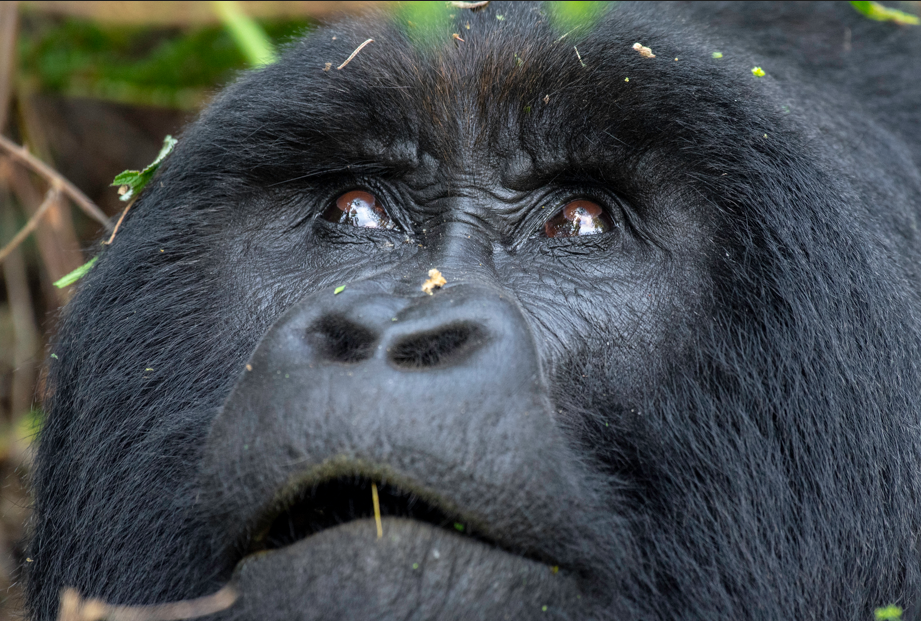
Gorilla Tours in Volcanoes National Park.
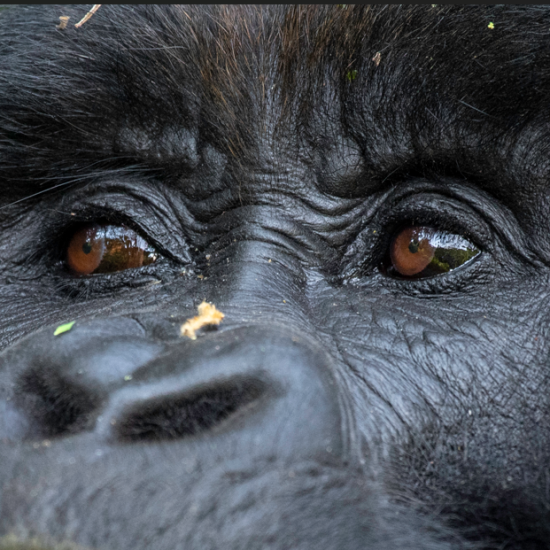
Gorilla tours in Volcanoes National Park offer an intimate guided experience to see the endangered mountain gorillas in their natural habitat. Volcanoes National Park is one of the four destinations where primatologists and nature lovers can find the endangered mountain gorillas. Volcanoes stands out as the best gorilla destination for luxury travellers seeking tranquillity and ultra luxurious accommodations on their gorilla trekking safaris.
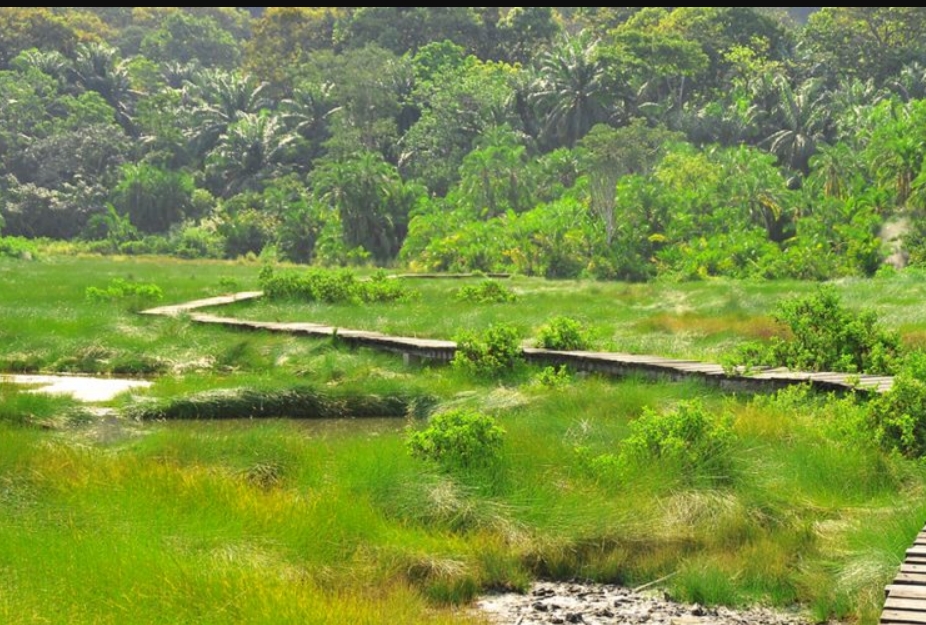
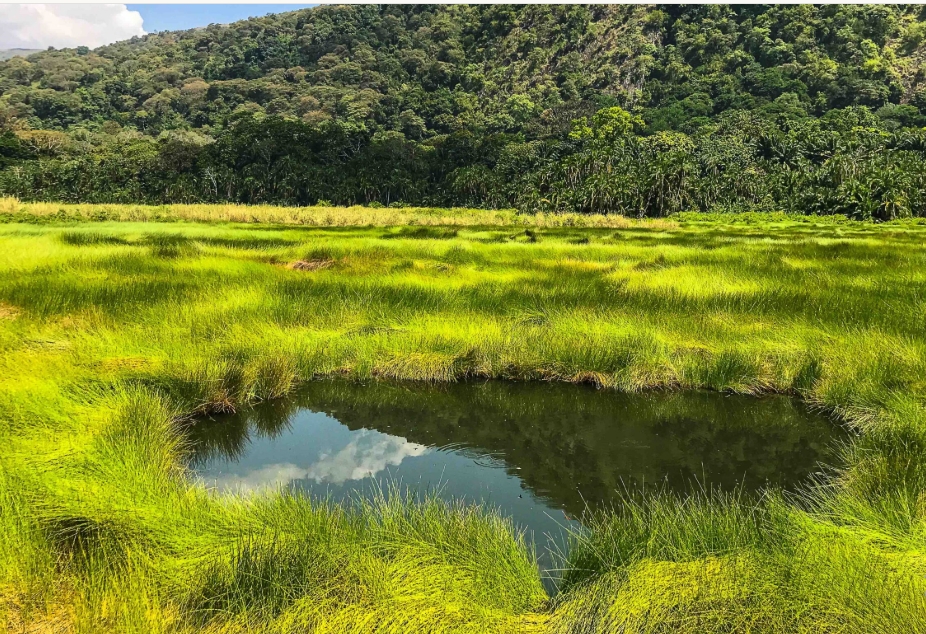
It is located in the far northwestern corner of Uganda, bordering Mgahinga National Park in Uganda and Virunga National Park in DR Congo. It’s one of the oldest national parks in Africa, established in 1925 to protect the endangered mountain gorillas that existed at that time. Volcanoes is the smallest national park in Rwanda, covering an area of about 160 square kilometres. The park is within the Virunga ranges, which allows travellers to enjoy the breathtaking views of the ranges. Volcanoes National Park is home to over 30% of the total population of mountain gorillas in the world, with over 12 habituated gorilla families fully accustomed to human presence.
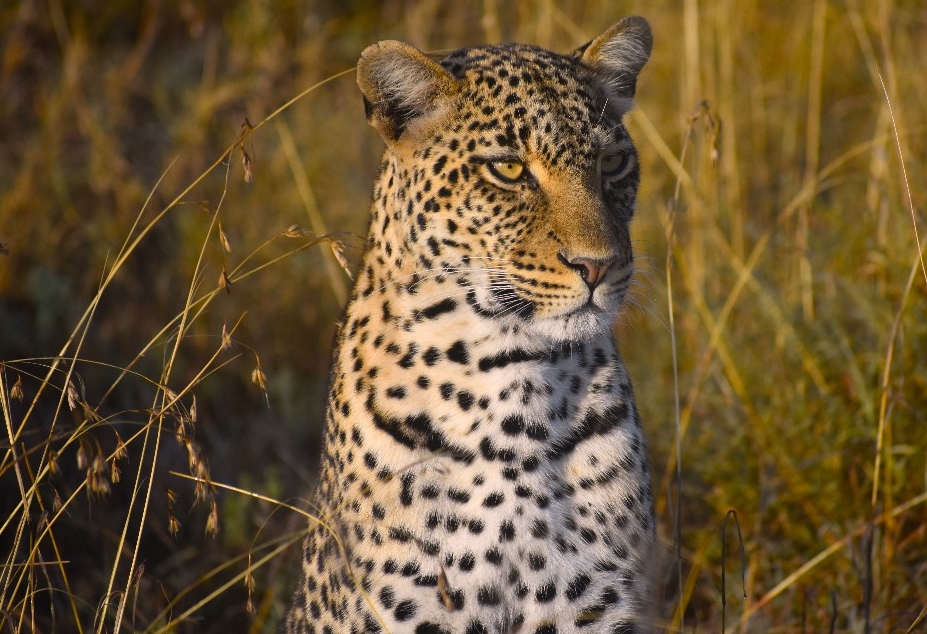
The park offers only 96 gorilla permits per day, since the permits are limited travellers are advised to book their gorilla permits at least three months before their safari. Travellers can contact Caracal Explorers to assist them in booking their trekking permits on time. The park also hosts up to 237 bird species, 36 mammal species, 12 primate species and butterflies, which beautify the forest. Visitors can also engage in other activities while on gorilla tours in Volcanoes National Park, like golden monkey tracking, bird watching, nature walks, cultural encounters and hiking. If you are looking for a true African gorilla safari and authenticity, Volcanoes is the right place to do your gorilla safaris.
What is the cost of a gorilla Permit in Rwanda.
A gorilla permit is an official document that allows travellers to have a close encounter with these gentle giants, and no one is allowed to trek without this document. A gorilla permit costs $1500 Foreign nonresidents, $500 Foreign residents and $200 Members of the East African Community.
Gorilla Trekking- Gorilla Tours in Volcanoes National Park.
This is one in a lifetime safari activity which gives travellers a chance to come up close to these magnificent creatures in their natural habitats. This is a guided activity led by an armed park ranger and a knowledgeable guide who gives more insights about the behaviours of the gorillas and other park’s inhabitants. It involves hiking through the steep slopes of the park in search of the endangered mountain gorillas. Participants should assess their level of fitness before travelling. The duration for the trek takes between 2- 6 hours, depending on where the gorillas last slept. Visitors will search for the gorillas with the help of the guide, and once located, they will strictly spend one hour with them, observing and learning more about their behaviours. They will see how the feed, groom, and Silverback take care of the family, which is once in a million times. Gorillas are our closest relatives on earth, sharing 98% of our DNA. For travellers to experience a thrilling moment, they should organise gorilla tours in Volcanoes National Park.
What to Pack for Gorilla Tours in Volcanoes National Park.
Are you travelling on your gorilla tour and wondering what to pack for your safari? You should consider packing these essentials to have a successful safari. A light rain jacket, waterproof hiking shoes, a water bottle, sunscreen, insect repellent, a brimmed hat, long trousers, long-sleeved shirts, a waterproof backpack, energy snacks, gardening gloves, and a camera with extra batteries.
The Best Time to come on Gorilla Tours in Volcanoes National Park.
Volcanoes National Park is open throughout the year for gorilla tours, and the best time depends on the traveler’s interests. The park receives two seasons: the dry season and the wet season. The dry season is from June to September and December to February; during this period, the park receives little to no rainfall, and it’s less muddy and slippery, making it easy to penetrate. The wet season is from March to May and October to November. During this season, the park receives enough rainfall, and it’s muddy and slippery, making trekking challenging. However, this period favours budget travellers as there are discounted permits and accommodation offers discounts.