Game Drives in Ngorongoro Conservation Area.
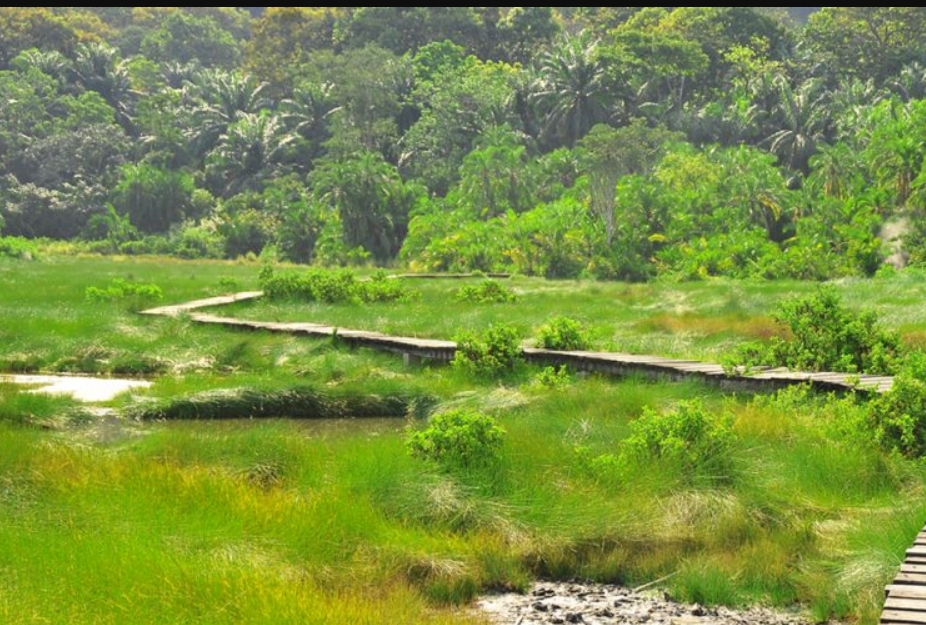
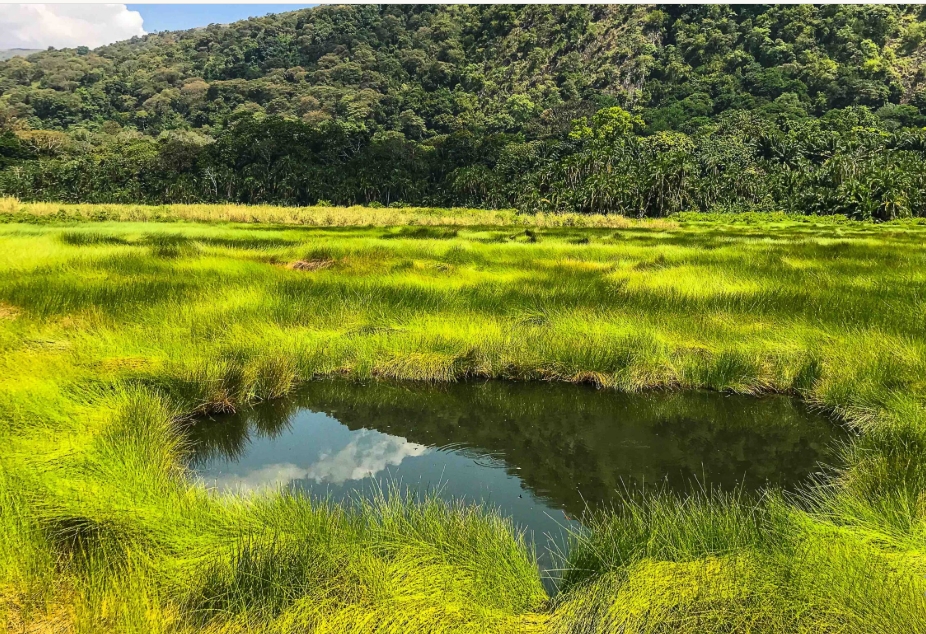
Game drives in the Ngorongoro Conservation Area are one of the must do activities that travellers shouldn’t miss on their safari, which allows them to explore the rich biodiversity. Ngorongoro is one of the top visited safari destinations in Tanzania for wildlife viewing, and its situated in the northern part of the country. It was established in 1959 as a multiple use area where wildlife coexisted with the Maasai people, the original inhabitants of the area who are pastoralists. It is blessed with a mix of ecosystems that provide habitats to various birds and animals, such as woodlands, lakes, savannah grasslands, highlands, forests and wetlands.
It is home to over 25000 animals, 300 mammal species, including the African Big Five, making it the best place to see lions, leopards, buffaloes, rhinos, and elephants, 550 bird species and 200 butterfly species, which attracts thousands of nature lovers. The area is not only known for its rich biodiversity but is also famous for hosting the Ngorongoro Crater, the world’s largest caldera. The area has different spots for game drives, like the Ngorongoro Crater, which provides stunning views of the crater and gives travellers a high chance of exploring the park’s rich biodiversity. The Ndutu plains are good for travellers seeking to watch the great migrations, especially during the calving season, when wildebeests give birth to half a million calves.
Game Drives in Ngorongoro Conservation Area.
There is no complete safari in Ngorongoro Conservation Area without going on a guided game drive safari, which gives nature lovers a unique opportunity to explore its rich biodiversity and stunning views. This is a guided activity led by a knowledgeable park guide who provides important information about the wildlife and bird species that you might encounter on the drive. The park has two sessions of game drives: morning and afternoon, and by 5pm all vehicles should be out of NCA. Both sessions provide exceptional chances of encountering various animals and bird species.
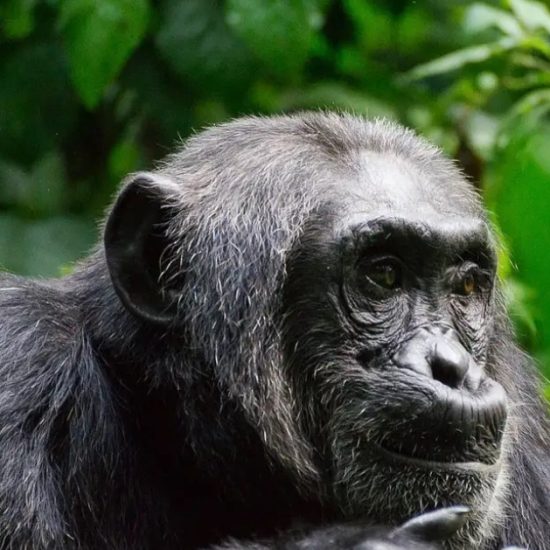
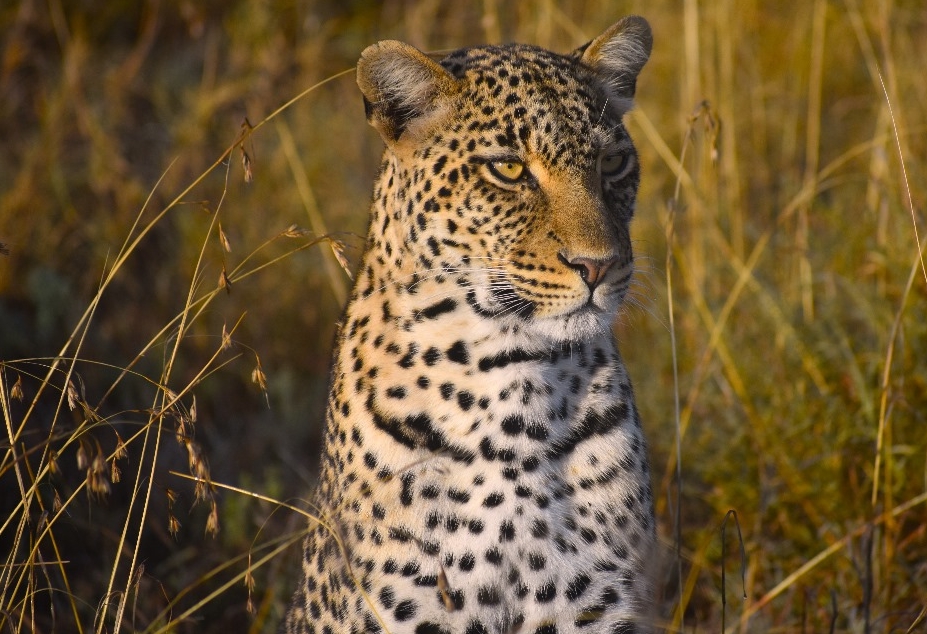
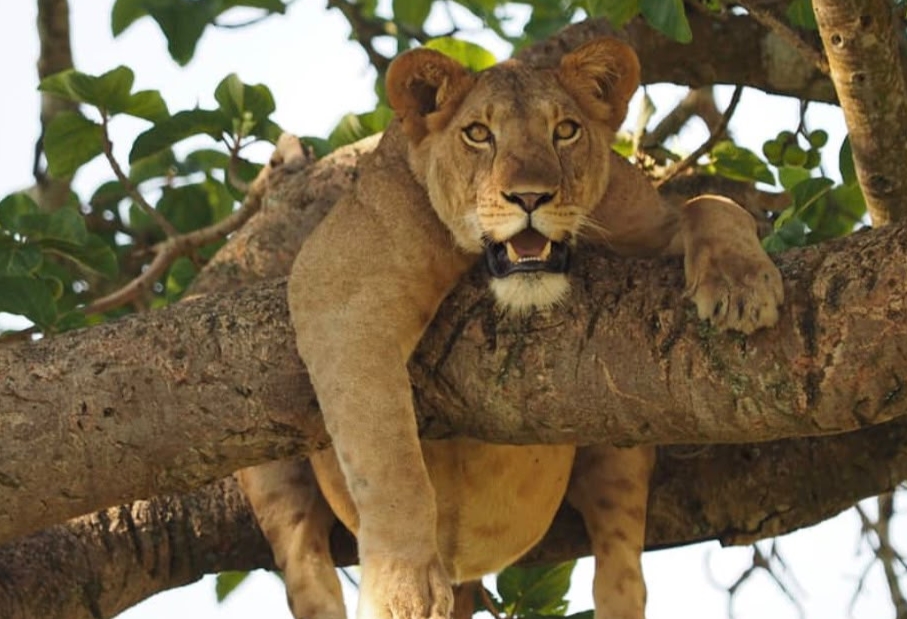
The Ngorongoro Crater floor is one of the most famous places where travellers have their game drives, which allows them to enjoy the stunning views of the caldera and various animals found within this area. The morning game drive is conducted early in the morning, at around 6:30 am, providing visitors with the opportunity to spot various animals and birds while they are still active. They will have a chance to see the big five- elephants, lions, buffaloes, rhinos, and leopards roaming around the crater, relaxing in the shade of trees or catching their breath, which is one of the lifetime experiences. They will also see other animals roaming around, like gazelles, giraffes, topi, waterbucks, bushbucks, oribis, warthogs, hippos, hyenas, long-eared bats, grass rats, vervet monkeys, olive baboons, blue monkeys, red-tailed monkeys, African wild cats, cape clawless otters, banded mongooses, genets, servals, caracals, zebras, elands, and impalas wandering freely and grazing.
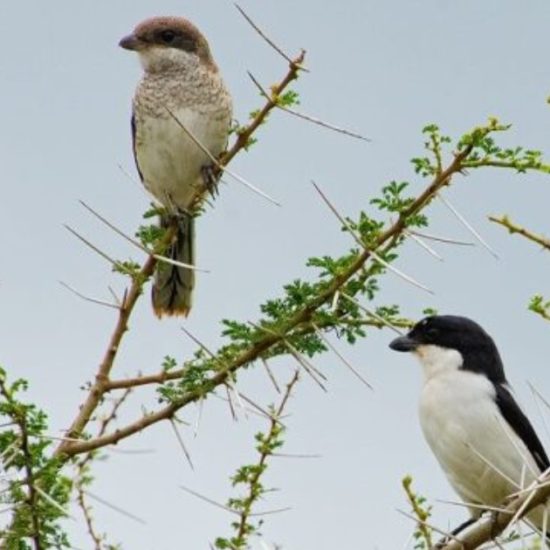
The Ndutu plains are a rewarding spot for travellers seeking to experience the great migration, especially the calving season, which is around February. This is the period when wildebeests gather and give birth to half a million calves. This is a rewarding season which attracts predators like lions, spotted hyenas, cheetahs, caracals, leopards, and jackals, which utilize the open savannah for hunting. This area allows photographers to capture stunning images since they can go off track and look for the best spot for watching animals in their natural habitats. Bird lovers will find Ngorongoro a paradise for birding, with various species of birds like Kori Bustard , Secretary bird , Common Ostrich, Osprey , White-faced Whistling-Duck, Fulvous Whistling-Duck, White-backed Duck, Knob-billed Duck, Egyptian Goose, African Pygmy-Goose, Garganey, Blue-billed Teal, Cape Shoveler, and Northern Shoveler.
Best time to do game drives.
Visitors can do game drives in Ngorongoro Conservation Area year-round, though some months are better than others. NCA experiences two seasons: the dry season and the wet season. The dry season is from December to February and from June to September. During this period, it receives little to no rainfall; the tracks are dry, which makes it easy to search for wildlife species, and the vegetation cover is short. This creates a clear view of various birds and wildlife species and allows for clear pictures. However, game drives can also be done in the wet season, which runs from March to May and from October to November.