Birding in the Ngorongoro Conservation Area.
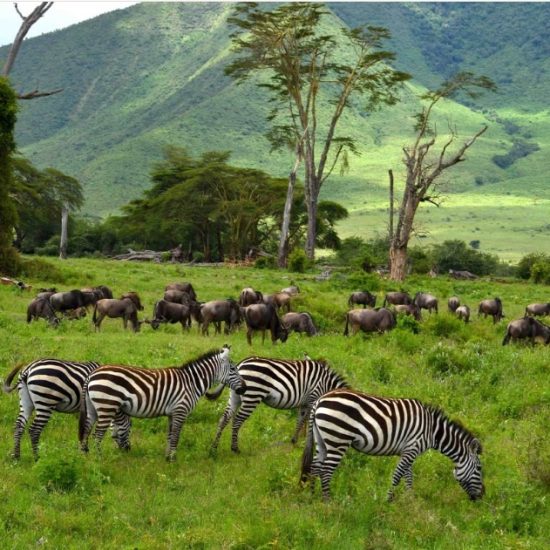
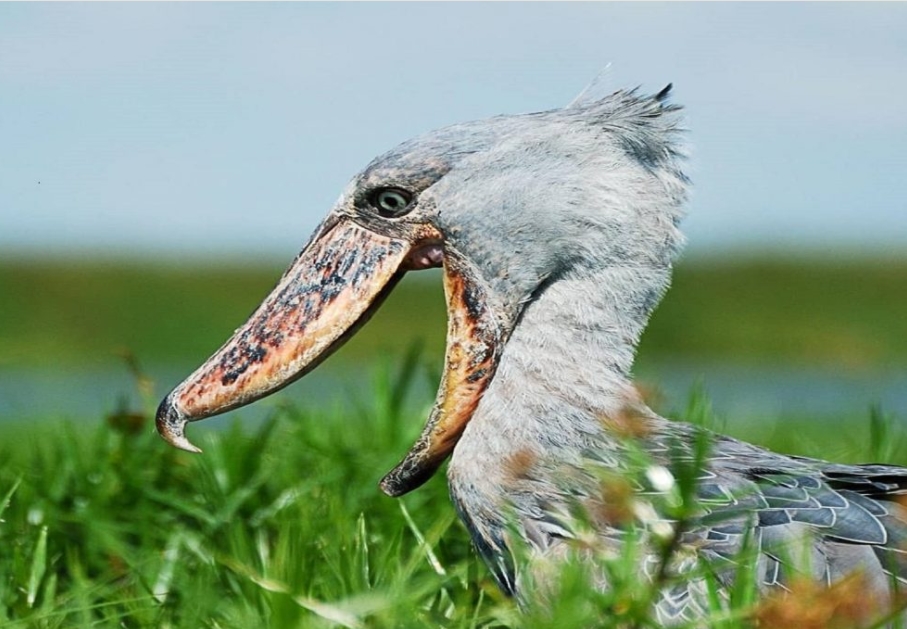
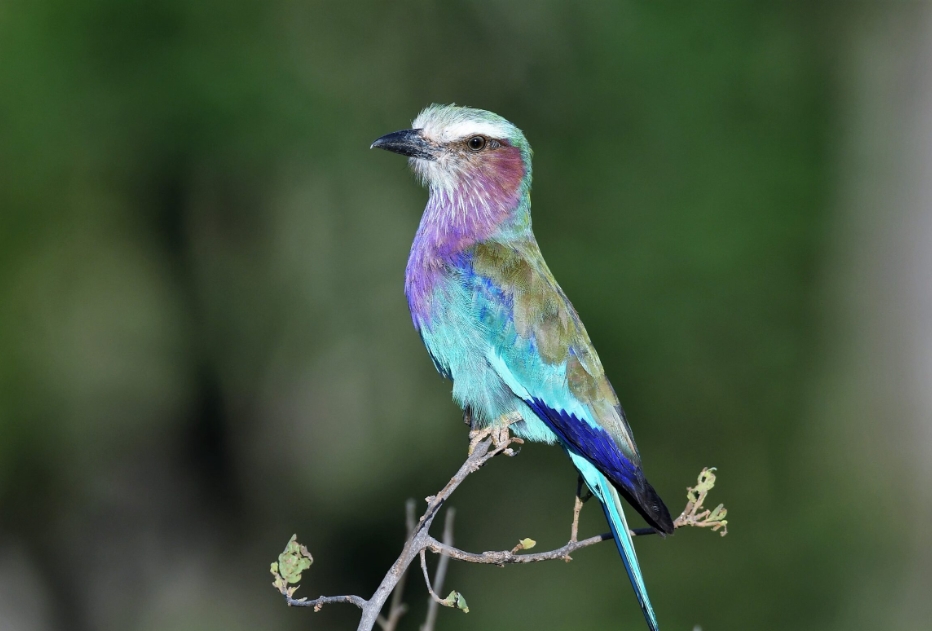
Birding in the Ngorongoro Conservation Area is one of the most rewarding activities to do that gives bird enthusiasts and ornithologists a chance to explore its unique bird species. It’s one of the best birding destinations in East Africa, which attracts thousands of birders and photographers to capture images of unique colourful birds. Ngorongoro is found in the northern part of Tanzania, bordering Serengeti National Park in the southeast. It is known for its rich birdlife, hosting more than 550 bird species, including water birds, migratory birds, forest birds, savannah birds, birds of prey, and the park’s endemic species, which are rare to find anywhere else. The rich avian life is supported by the presence of diverse natural systems, which provide habitats for various bird species, such as wetlands, lakes, highlands, woodlands, tropical rainforests, and savannah grasslands.
There are different birding spots with various bird species, such as areas around the Ngorongoro Crater, Lake Magadi, and Leria Forest, among others. Birding is best done in the morning when birds are most active, which allows visitors to encounter countless bird species in their natural habitats. Birders are accompanied by an experienced park birder who identifies birds by listening to their sweet, melodic sounds and calls and gives more insight into their behaviours. Travellers can do this while on game drives and nature walks, both of which provide equal opportunities to encounter countless bird species.
Birds to Encounter on Birding in the Ngorongoro Conservation Area.
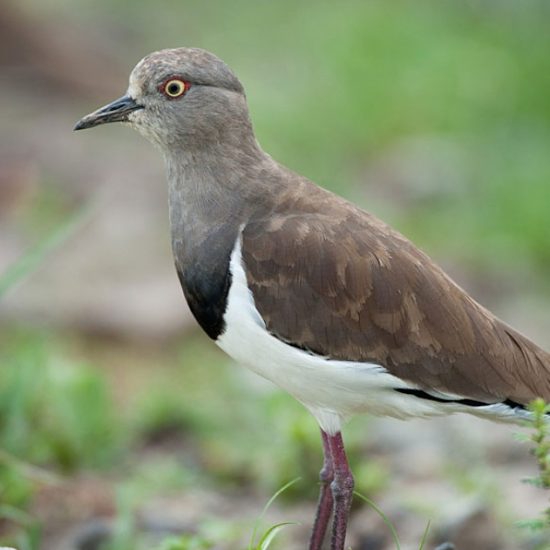
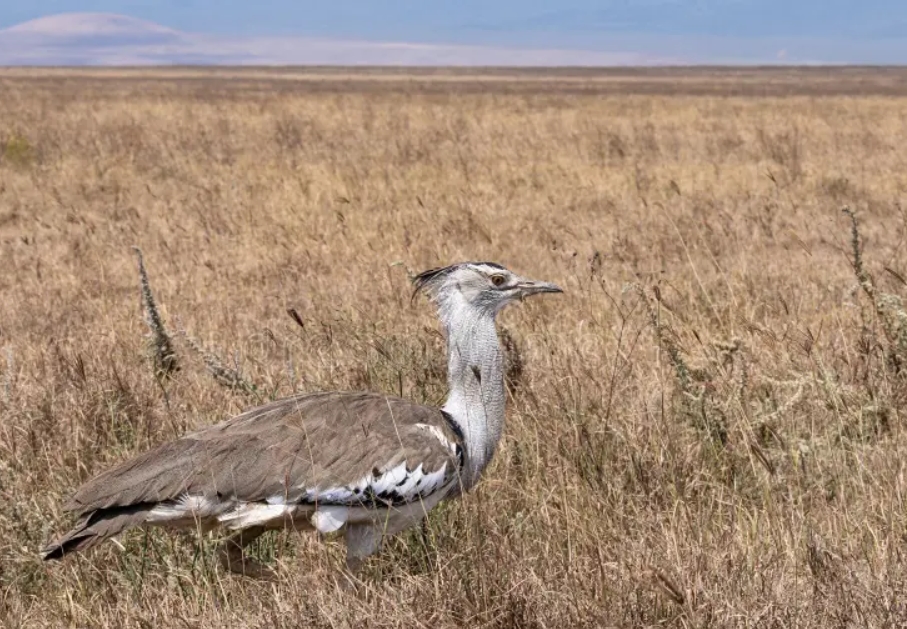
Hartlaub’s Bustard, Bare-faced Go-away-bird, White-bellied Go-away-bird, Eastern Plantain-eater, Purple-crested Turaco, Kori Bustard , Secretary bird , Common Ostrich, Osprey , White-faced Whistling-Duck, Fulvous Whistling-Duck, White-backed Duck, Knob-billed Duck, Egyptian Goose, African Pygmy-Goose, Garganey, Blue-billed Teal, Cape Shoveler, Northern Shoveler, Gadwall, Eurasian Wigeon, African Black Duck, Yellow-billed Duck, Red-billed Duck, Southern Pochard, Maccoa Duck, Helmeted Guineafowl, Vulturine Guineafowl, Eastern Crested Guineafowl, Coqui Francolin, Shelley’s Francolin, Common Quail, Harlequin Quail, Hildebrandt’s Spurfowl, Scaly Spurfowl, Gray-breasted Spurfowl, Speckled Pigeon, Eastern Bronze-naped Pigeon, Lemon Dove, Dusky Turtle-Dove, Mourning Collared-Dove, Red-eyed Dove, Ring-necked Dove, Laughing Dove, Emerald-spotted Wood-Dove, Blue-spotted Wood-Dove, Tambourine Dove, Namaqua Dove, African Green-Pigeon, Chestnut-bellied Sandgrouse, Yellow-throated Sandgrouse, Black-faced Sandgrouse, Denham’s Bustard, White-bellied Bustard, Buff-crested Bustard, Black-bellied Bustard, Schalow’s Turaco, Hartlaub’s Turaco, White-browed Coucal, Black Coucal, Green Malkoha.
Other Birds to Encounter on Birding in the Ngorongoro Conservation Area include Great Spotted Cuckoo, Pied Cuckoo, Dideric Cuckoo, Klaas’s Cuckoo, African Emerald Cuckoo, Black Cuckoo, Red-chested Cuckoo, African Cuckoo, Pennant-winged Nightjar, Eurasian Nightjar, Donaldson Smith’s Nightjar, Donaldson Smith’s Nightjar, Fiery-necked Nightjar, Montane Nightjar, Plain Nightjar, Freckled Nightjar, Slender-tailed Nightjar, Square-tailed Nightjar, Mottled Spinetail, Scarce Swift, Alpine Swift, Mottled Swift, Common Swift, Nyanza Swift, Little Swift, White-rumped Swift, Buff-spotted Flufftail, Red-chested Flufftail, Striped Flufftail, African Rail, Corn Crake, African Crake, Lesser Moorhen, Eurasian Moorhen, Narina Trogon, Common Hoopoe, Common Scimitarbill, Southern Ground-Hornbill, Eastern Yellow-billed Hornbill, Tanzanian Red-billed Hornbill, Silvery-cheeked Hornbill, Trumpeter Hornbill, Cinnamon-chested Bee-eater, Little Bee-eater, Northern Carmine Bee-eater, White-fronted Bee-eater, Half-collared Kingfisher, Malachite Kingfisher, Gray-headed Kingfisher, Woodland Kingfisher, Brown-hooded Kingfisher, Striped Kingfisher, Pied Kingfisher, among others.
What to Pack on Birding Safaris.
Travellers visiting for birding safaris in Ngorongoro Conservation Area should pack items which will allow them to have a successful and memorable safari. They should pack memory cards, binoculars, tripods, a camera with a telephoto lens for capturing distant birds (mostly for photographers), extra batteries, and a waterproof backpack. Don’t forget to carry comfortable waterproof hiking shoes, a rain jacket, insect repellent, sunscreen, a water bottle, a brimmed hat, a birding checklist, lightweight, long-sleeved shirts and trousers, energy snacks, a power bank for charging devices, and a headlamp.
What is the Best Time to do Birding.
Visitors can have a thrilling birding experience in Ngorongoro Conservation Area at any time of the year. The wet season, which runs from October to November and March to May, is the most preferred season by birders. During this season, the park receives enough rainfall, and there is enough food, which attracts migratory birds from Europe and North Africa. This is the breeding season of most bird species in the park, which makes encountering them easier. Bird lovers can also visit the park in the peak season, which runs from June to September and December to February. This period receives little to no rainfall, and the park is drier, which makes it easy to explore.