What is Makes Semuliki National Park Special
What is Makes Semuliki National Park Special: The numerous tourist attractions in Semuliki national park, the only lowland tropical rainforest have made the place so famous. The western region of Uganda is home to Semuliki National Park. The park is now well-known outside of East Africa thanks to the Bundibudyo neighbour hood. Semuliki hosts 448 butterfly species, 435 bird species, 53 animals and 9 primates.
The Uganda Wildlife Authority, which gazetted the park in 1993 to protect its various attractions, is in charge of managing and overseeing Semuliki Park, one of the most popular national parks in western Uganda with a plethora of organised activities. Things that have made Semuliki national park famous
Butterflies
What is Makes Semuliki National Park Special: In Uganda, Semuliki National Park is renowned for having the most butterflies. In Semuliki National Park, more than 448 species of butterflies have been identified to date. Tourists who adore butterflies always wish to visit Semuliki national park because of its high population of butterflies. Tourists will always be able to take butterfly tourists as many butterfly tourists.
Butterfly species to see in Semuliki park include spiny bollworm, boisduval’s tree nymph, Cymothoe Cyclades, violet banded palla, variable diadem, lycoa Acraea, forest glade nymph, polyptychus carteri, euphaedra edwardsii, blue monarch, cymothoe ochreata, cucumber moth, mung bean moth, angular glider, biston abruptaria, African caper, small black bush brown, savanna pathfinder, euphaedra eberti, and variegated pearl.
Common glider, tailed bush brown, mulberry hawkmoth, Veined swordtail, plain vagrant, choroclanis virescens, bicyclus mollitia, African leaf butterfly, chirinda bush brown, common mother of pearl, rhodope dotted border, cymothoe confusa, mylantria xanthospila, sarothroceras banaka, gregori’s brown pansy, andriasa contraria, rhipidarctia crameri, dark yellow forest sylph, soldier commodore, and among others.
Hot springs
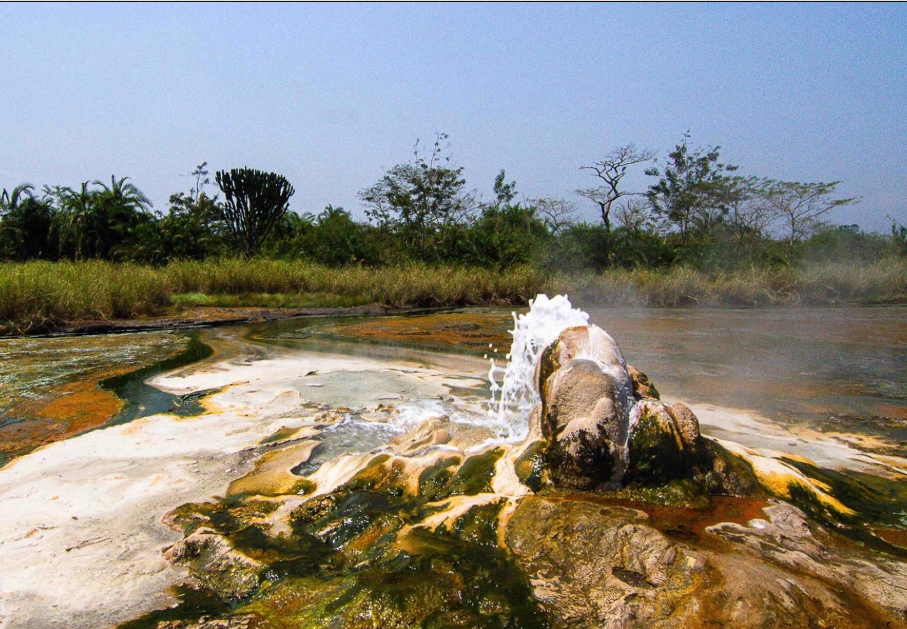
Semuliki park is popular for being one of the rare protected areas where adventure seekers can find hot springs. Semuliki park is blessed with two hot springs all of which are located inside the park. Visitors can explore the female hot spring called Nyansimbi and the male hot spring called Biteete.
This male hot spring is a 12-meter-wide pool of hot water and travellers are allowed to visit any time they are in the park. The female hot spring is the best to visit because of the way the geyser gushes out water about 2 meters in the air. On a safari to Semuliki , tourists can walk to these hot springs with a ranger guide where they can do photography and also learn about how the hot springs are formed.
Bird Species
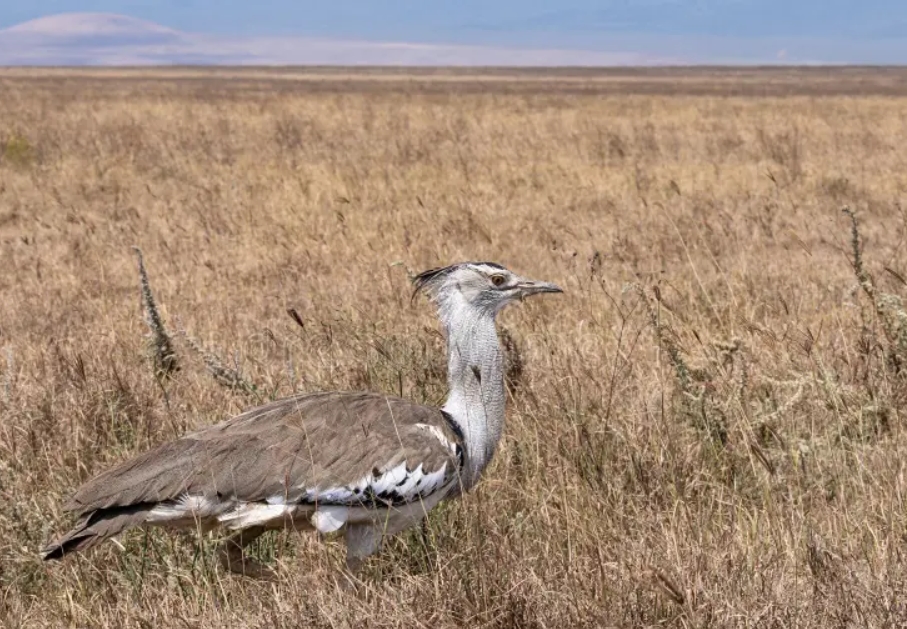
What is Makes Semuliki National Park Special: 23 of the approximately 435 bird species that have been identified in Semuliki National Park are thought to be endemic to the Albertine region. Since the area is among the top birding locations in western Uganda, Semuliki National Park’s birds have made the park well-known.
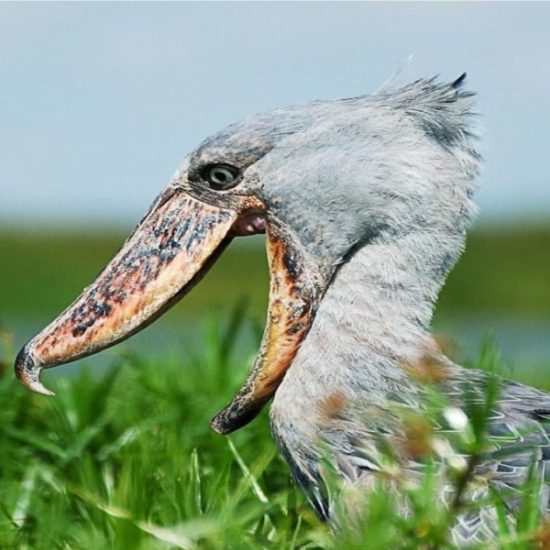
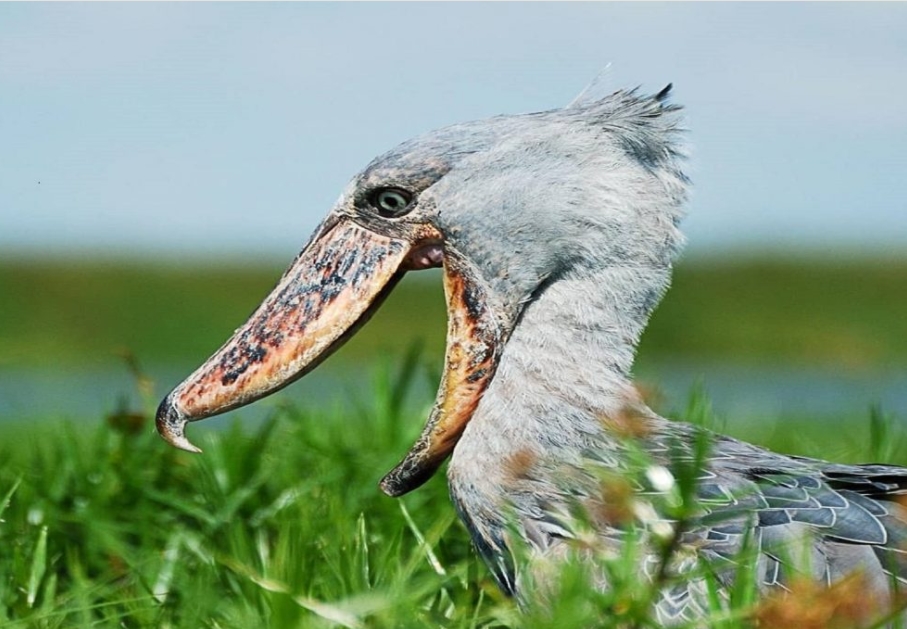
Birds of Semuliki national park that have made the park so famous include White-bellied kingfisher, Black-Dwarf hornbill, Red-rumped Tinkerbird, Gabon woodpecker, Shoe bill stork, Purple-breasted sunbird, Chestnut-breasted Negrofinch, Red-billed Dwarf hornbill, Ross’s Turaco, Grant’s bluebill, Northern bearded scrub robin, Red-billed dwarf hornbill, Dwarf honeyguide, Yellow-throated nicator, Grant’s bluebill, and
Capuchin babbler, Congo serpent eagle, long tailed hawk, black chinned quailfinch, White-crested hornbill, Red-bellied malimbe, Black-Dwarf hornbill, Spot-breasted Ibis, White-crested hornbill, Blue-headed Crested Flycatcher, Yellow-throated Nicator, White-tailed Hornbill, Chestnut owlet, Black-dwarf hornbill, Piping Hornbill, Eastern-bearded greenbul, Hartlaub’s duck, Maxwell’s black weaver, and Yellow-throated cuckoo.
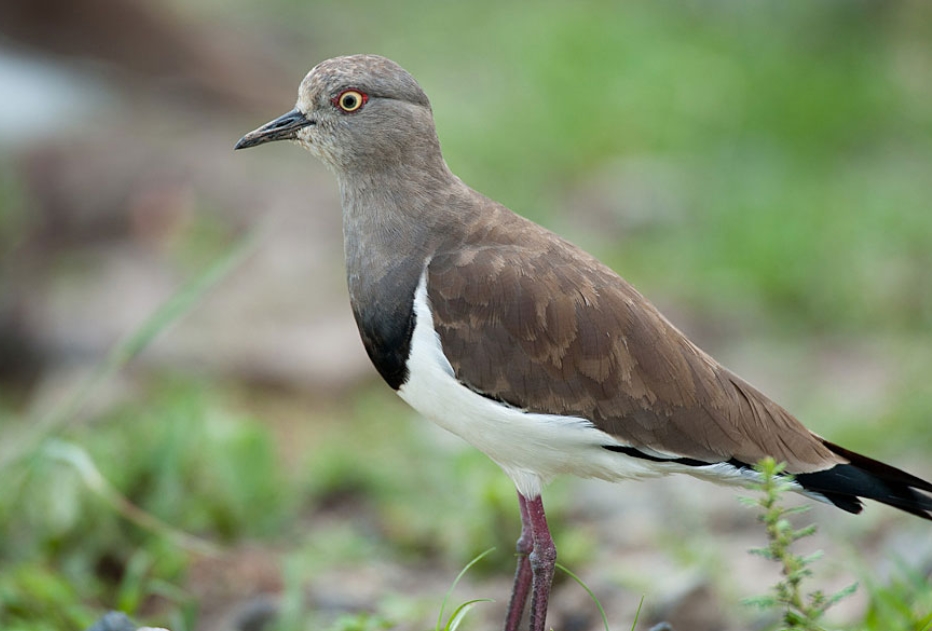
Yellow-throated nicator, Red-thighed Sparrow hawk, Long-tailed Hawk, Lyre-tailed Honeyguide, Black-throated coucal, Black Dwarf Hornbill, White-throated Blue Swallow, Black-casqued Wattled Hornbill, Spotted honeyguide, Orange-cheeked Waxbill, Western Bronze-naped Pigeon, Rufous-sided broadbill, Forbe’s plover, Grauer’s cuckoo-shrike, Capuchin Babbler, Sassi’s olive greenbul, Crested Malimbe, and Gabon woodpecker.
Batwa pygmies
The Batwa are another well-known feature of Semuliki Park. Batwa resided in Semuliki park not until 1993 when they were evacuated by the authorities at the time of gazetting the park. The Batwa had been used to live in the forest but they had to migrate out and settle outside the park where they would become used to the way of life of other people.
Cultural tours in Semuliki are now the only way visitors can meet and interact with the Batwa pygmies. The Batwa people live in Ntandi and Boma villages, where tourists can meet them whenever they visit the park. Visiting the Batwa helps visitors learn how they lived in the jungle with animals and how they are finding life outside the park. Traditional dancers are there to entertain visitors through dance and drama.
How to Access Semuliki National Park
Visitors can get to Semuliki using road transport and the estimated driving time from Kampala/Entebbe to the park is 5 to 6 hours. To get to Semuliki national park, tourists from Kampala/Entebbe drive through Kyegegwa, Bundibudgyo, Mityana, Mubende, Kyenjojo, Fort Portal, and where the park is located. Tourists who fly to Kasese will have to use road transport still because the airstrip is a bit far from the park.