Is Semuliki National Park Good for Shoebill
Is Semuliki National Park Good for Shoebill: The commonly asked question of whether Semuliki National Park is good for Shoebill tracking is worth considering especially to nature lovers and birdwatchers planning for a Uganda safari. The park is a unique destination that is widely popular for its birdlife and its strategic and geographical location within the Albertine Rift.
The park is characterized by lowland tropical rain forest, rivers, wetlands and open habitats, all offering a condusive environment for birdlife. Regarding the shoebill, nature lovers should know that Semuliki offers an exceptional experience compared to other established shoebill destinations in the country.
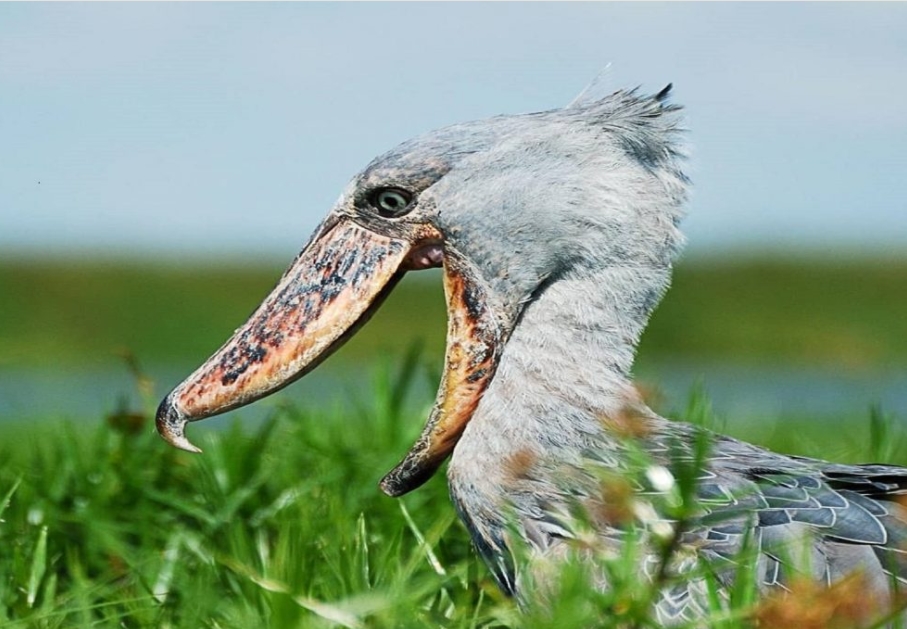
The shoebill stork is one of the elusive bird species that draws birdwatchers all over the world. Considerably, the bird’s unique stature, enormous shoe-shaped bill and the prehistoric look make it awe inspiring, especially when encountered in its natural environment. Shoebill Storks are mainly related to marshes and wide swampy areas where they can search for food particularly fish, vertebrates, amphibians, among others.
Semuliki National Park has a unique composition of tropical rainforest, wetlands, River Semuliki and lake Albert in the north. All the above habitats enhance Semuliki’s awe inspiring birdlife and this makes the larger area of the park fascinating for bird lovers.
Semuliki National Park is one of the places in Uganda where tourists get an opportunity to see the shoebill. Although its not a guarantee to see shoebills in Semuliki National Park, but the chances of seeing the shoebill within this park are very high which have attracted lots of bird lovers interested in seeing this bird species. However, nature lovers and birdwatchers interested in seeing this shoebill may require to search key wetland areas with the help of an experienced local guide with knowledge of the bird’s habitats and movements.
The shoebill of Semuliki National Park is spotted on a boat cruise organized on Lake Albert. While on a safari in Semuliki National Park, birders interested in seeing the shoe bill can take a boat cruise at Ntoroko. A boat cruise for about 2-3 hours on Lake Albert with local guides will get birders an opportunity to see the shoebill storks on the marshes of the lake. While searching, other bird species such as white-bellied kingfisher, Pied Kingfisher, Egyptian goose, cattle egret, swamp palm bulbul, and malachite kingfisher and others.
Other bird species to see in Semuliki
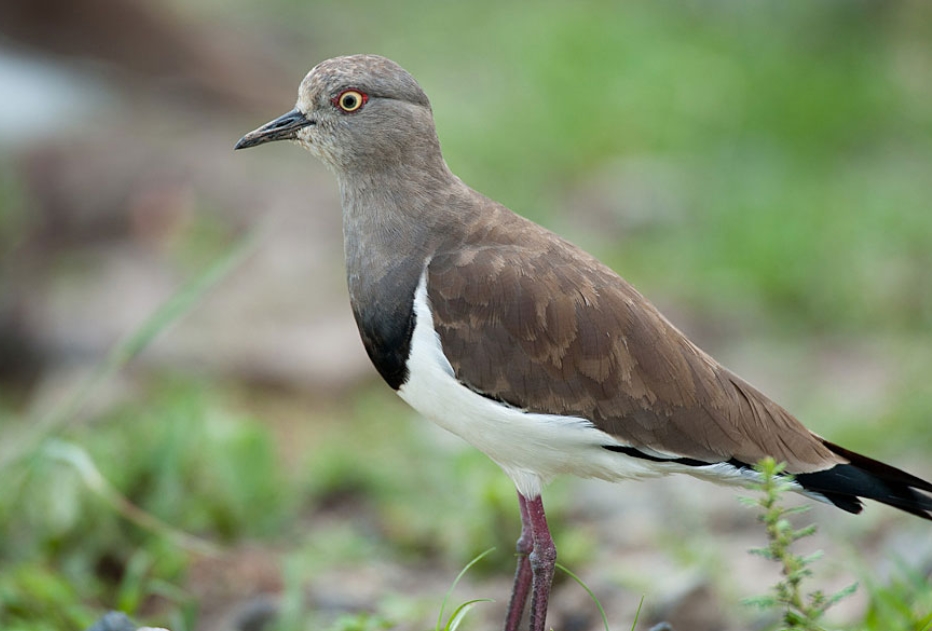
Haartlaub’s duck, Nkulengu rail, red-thighed sparrow hawk, swamp palm bulbul, lyre-tailed honeyguide, zenker’s honeyguide, red-bellied malimbe, white-crested hornbill, blue-billed malimbe, western bronze-naped pigeon, white-throated blue swallow, crested malimbe, white-bellied kingfisher, sassi’s olive greenbul, yellow-throated cuckoo, Blue-billed malimbe, dwarf honeyguide, red-billed dwarf hornbill, leaf-love, white-crested hornbill, crested malimbe, white-tailed hornbill, yellow-throated nicator, purple-breasted sunbird, xavier greenbul, great blue turaco, Congo serpent eagle, forbe’s plover, icterine greenbul, piping hornbill, spot-breasted ibis, black-dwarf hornbill, fire-crested alethe, black-dwarf hornbill.
Orange-cheeked waxbill, malachite kingfisher, piping hornbill, African piculet, rufous-sided broadbill, grant’s bluebill, red-eyed puffback, capuchin babbler, chestnut-bellied helmetshrike, chestnut owlet, long-tailed hawk, black-chinned quailfinch, long-tailed hawk, and ross’s turaco orange-tufted sunbird, northern bearded scrub robin, dusky nightjar, red-thighed sparrow hawk, blue-billed malimbe, capuchin babbler, long-tailed hawk, green-tailed bristlebill, grauer’s cuckoo-shrike, great white pelican, African pygmy goose, gabon woodpecker, and others.
Activities in Semuliki National Park
Batwa Cultural Visit
The Batwa once lived in the Ituri forest of Semuliki National Park, but they were forced to leave when the Uganda Wildlife Authority gazetted the region as a national park. They are currently making their home near the park’s boundaries, where visitors can interact with them while on cultural trips. The Batwa pygmies are now farmers, hunters, and fruit gatherers after moving to locations beyond the park. The Boma Cultural Village is open to tourists who want to see the Batwa of Semuliki. Visitors have the chance to see locals, engage with them, and learn about their daily lives in this town.
You will encounter traditional dancers who will amuse you with local performance and dance throughout the cultural visits. Tourists who are tourists who are tourists who are tourists who are tourists who are tourists who are tourists who are part of the tourists. You learn from hearing their tales that the Batwa are still hunters and gatherers who come to Semuliki National Park in search of food, medicine, and fruits.
Nature walks
One of the best ways to explore Semuliki National Park is through guided nature walks. There are opportunities for visitors to see the park attractions using different nature walking trails. With an armed ranger guide, travellers will be able to see various animals, birds, water sources, vegetation, and others. During the nature walks at Semuliki National Park, visitors can see animals such as leopards, crocodiles, sitatungas, Uganda kobs, warthogs, side-stripped jackals, hippos, cape buffaloes, elephants, olive baboons, and monkeys to mention just a few.
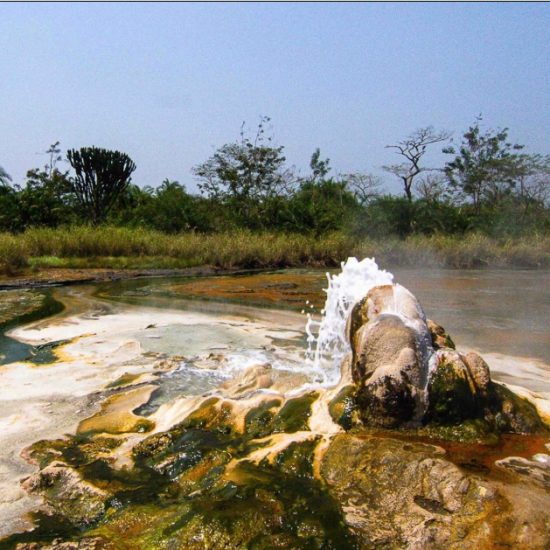
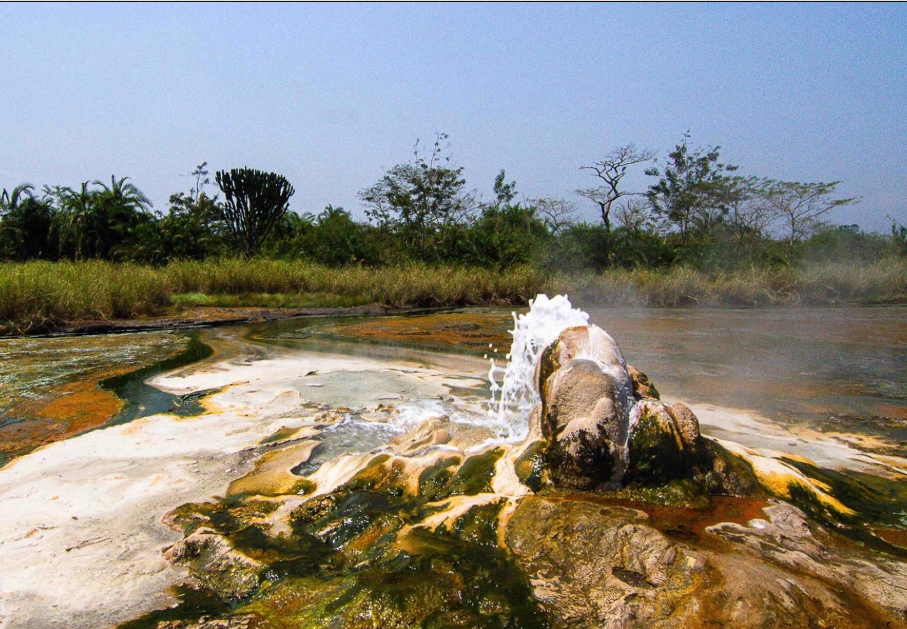
Semuliki National Park has the most striking hot springs in Uganda and these can be seen during the park’s forest walks. There are two hot springs male and female right inside the park which tourists can visit. With an armed ranger guide, viistors are able to visit these hot springs and get to learn how they were formed. The water is too hot which allows tourists to boil foods such as matooke, eggs, meat and others.
Butterfly watching
Semuliki National Park is a charming place to see butterflies because over 448 different species have been observed there. This is one of the activities nature lovers crave for during their unique safaris in the park. The tourists will be guided by armed ranger guides who are somewhat knowledgeable about butterflies as they look for various species.
Visitors have chance to see species such as coffee berry moth, variegated pearl, amata marina, polyptychus carteri, euphaedra edwardsii, cymothoe ochreata, common palm forester, common pathfinder, Common mother of pearl, violet banded palla, chirinda bush brown, common blue banded forester, mung bean moth, rhipidarctia crameri, nemetes sailer, zebra pyrale, simple orange forester, spiny bollworm.
andriasa contraria, euphaedra alacris, gregori’s brown pansy, square winged red charaxes, rhodope dotted border, plain vagrant, cucumber moth, choroclanis virescens, biston abruptaria, sarothroceras banaka, tailed bush brown, belenois solilucis, common glider, savanna pathfinder, bicyclus alboplagus, Euriphene saphirina, euphaedra hybrida, catuna crithea, mulberry hawkmoth, neuroxena ansorgei, bicyclus mollitia, angular glider, common nephele, dark yellow forest sylph.
What is the Best Time to Visit Semuliki National Park
The best times to visit Semuliki National Park are from December to February and June to September, which are the driest months of the year. There is a lot of sunshine and minimal rain at the park during this time. The vegetation is short and offers superb views of the most of the park’s features; the walking trails are dry and usable, but they are muddy and slick.
November through April are the ideal months for birdwatchers to visit Semuliki National Park. Birdwatchers can find lots of food during this time, and the park is home to numerous migratory birds. Tourists can also use the rainy season to visit Semuliki National Park.