Facts About Chimpanzee Trekking in Kibale Forest
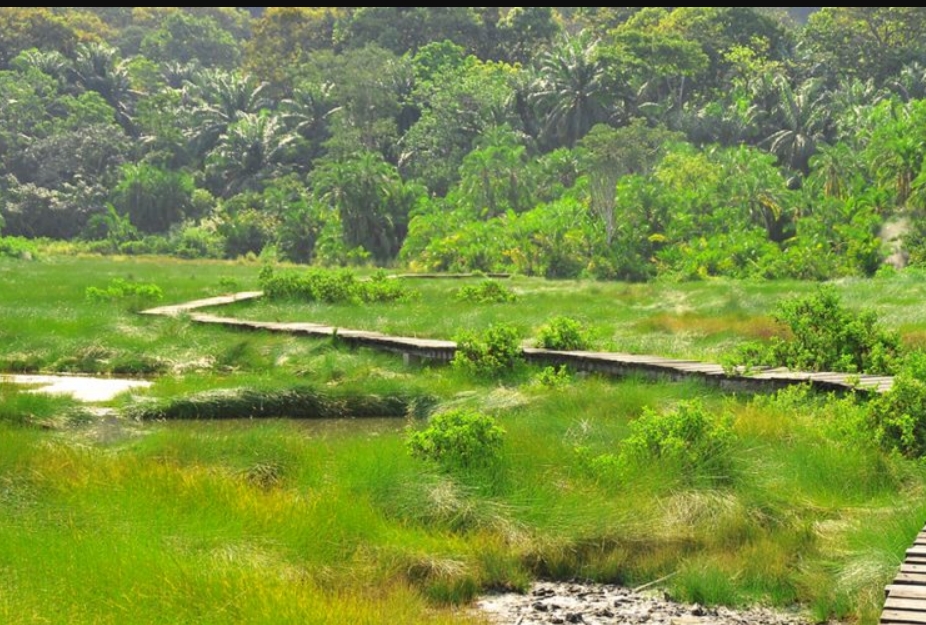
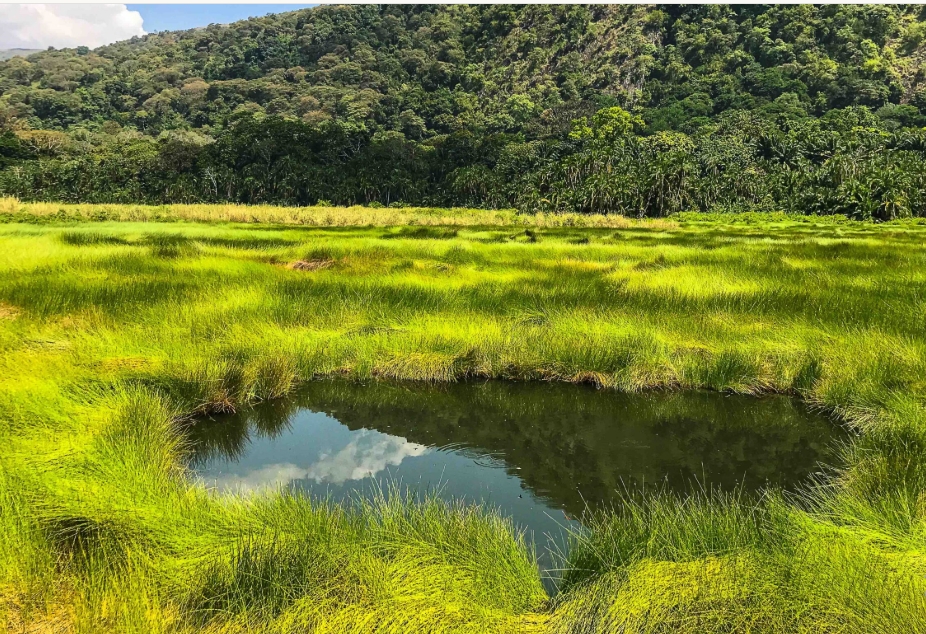
Facts about chimpanzee trekking in Kibale Forest, a popular destination in western Uganda, located in the districts of Kibale and Kabarole. Established in 1995, the park aims to protect its forest and stop illegal logging. Over time, it has become famous for its chimpanzees, which attract many visitors. Kibale National Park is near Queen Elizabeth National Park, Semuliki National Park, and the Rwenzori Mountains. It is known as the “primate capital of the world” because of its high number and variety of primates. If you want to experience the best chimpanzee trekking in Uganda, Kibale Forest is the top choice for viewing these primate species.
Kibale Forest is the top destination in East Africa for seeing wild chimpanzees, other areas where visitors can see chimpanzees in Uganda include Budongo Forest in Murchison Falls National Park, Kalinzu Forest, and Kyambura Gorge in Queen Elizabeth National Park. Overall, the forest is highly regarded as the best destination for tourists wanting to find wild chimpanzees.
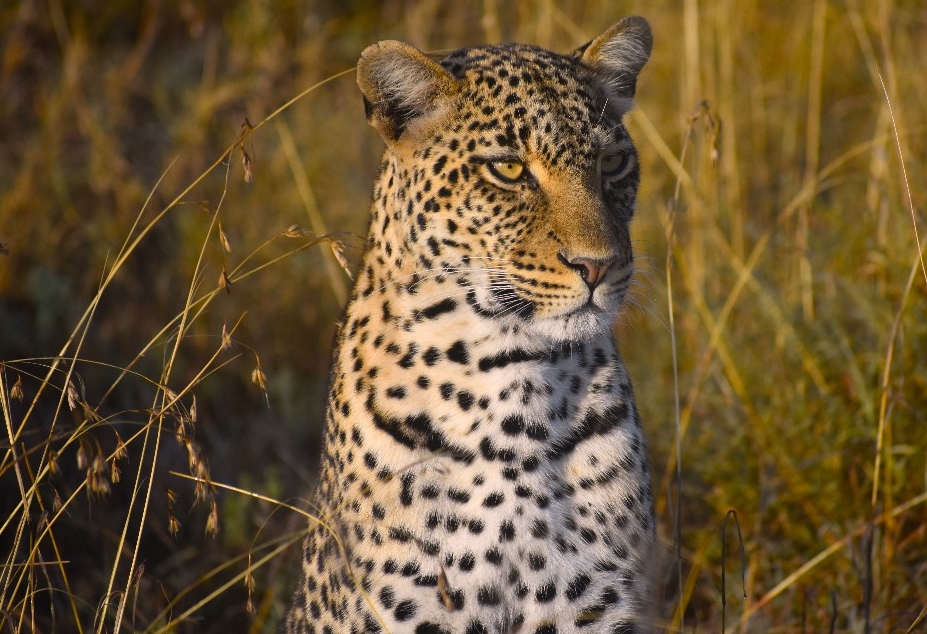
Kibale National Park in Uganda is known for its impressive collection of over 324 bird species, including the rare Green-breasted Pitta, Black-capped Apalis, Narina Trogon, Masked Apalis, Hairy-breasted Barbet, and Dusky Long-tailed Cuckoo, among others. The park offers chimpanzee tracking, which is its main attraction. Mammals in the park include forest elephants, golden cats, warthogs, buffaloes, hippos and leopards, with lions frequently visiting from Queen Elizabeth National Park. The area is also rich in reptiles, amphibians, and butterflies. The Batoro and Bakiga tribes live near the forest, contributing to the local culture. Overall, Kibale National Park is a diverse ecosystem, attracting visitors for its wildlife, especially the chimpanzees.
Facts About Chimpanzee Trekking in Kibale Forest
Facts about chimpanzee trekking in Kibale Forest include chimpanzees are the closest relatives to humans, sharing over 98% of our DNA. They mainly live in West, Central, and East Africa in communities of up to 100 individuals. However, in Kibale Forest National Park, chimpanzee trekking is limited because of habitat loss and human persecution, with an average of about 18 chimps per community allowed for trekking. Each group of chimpanzees has its own culture and lifestyle, which varies based on their environment and diet. Unlike mountain gorillas, chimpanzees are very social animals and are considered the second smartest primates after humans.
The dominant male in chimp groups keeps the hierarchy intact and helps all members, especially during attacks from other groups. His leadership relies on the support of female chimps, as they do not always mate only with the alpha male. The community functions around this dynamic, with the dominant male providing assistance when needed and ensuring the group stays organised.
Chimpanzees are intelligent animals that use complex body language, including barks, pants, and hoots, to communicate. They express their feelings through facial expressions. Chimps can also use tools to help them get insects, open nuts, or reach fruit in hard-to-access parts of trees. Each day, they build nests in the treetops. While their main diet consists of fruits, flowers, and insects, they often hunt antelopes and other small primates in groups for meat. In captivity, chimpanzees can live up to 60 years and weigh as much as 70 kg.
Humans are the biggest threat to chimpanzees, despite some leopards occasionally preying on them. In some countries, chimps are hunted for meat, and their habitats are destroyed, leading to diseases and forest encroachment. Traps set for other animals, like antelope, also harm chimpanzees, with many losing limbs if they survive. In Uganda, the protection of chimpanzees has improved thanks to the Uganda Wildlife Authority and international groups like the Jane Goodall Foundation. Though leopards can climb trees to hunt chimps, the main danger comes from human activities that endanger these animals.
Before visitors trek to see chimpanzees, park rangers track them and carry out a process called “chimpanzee habituation.” This process helps chimpanzees get used to human presence. It takes up to two years for them to become completely accustomed to visitors. The habituation is done daily for several hours to ensure the chimpanzees feel comfortable before tourists are invited to visit. Chimpanzee habituation is crucial for the safety and well-being of both the animals and the visitors.
Chimpanzee Trekking destinations in Uganda
Chimpanzees are located in several areas of Uganda, including Toro-Semliki Wildlife Reserve, Budongo Forest Reserve, Kibale National Park, Kyambura Gorge in Queen Elizabeth National Park, and Kalinzu Forest Reserve. For those interested in seeing chimpanzees in smaller settings, they can visit the Uganda Wildlife Education Centre in Entebbe (zoo) or the Ngamba Island Sanctuary on Lake Victoria, which cares for rescued and orphaned chimps. Chimp tracking is available in the same national parks and reserves mentioned.
What makes Kibale Forest a unique destination for chimp trekking
Kibale National Park has over 1,500 chimpanzees, making it one of the best places in the world for chimpanzee tracking. Each day, at 8:00 a.m., visitors gather at the Kanyanchu visitor center for a briefing before trekking begins. The rangers explain what to expect, the duration of the trek, and how to behave around the chimpanzees. They also share some history about the forest and the chimps. After the briefing, participants head into the wilderness. A ranger accompanies the group, carrying a rifle to scare away large animals like elephants and too-wild chimps.
Following chimpanzees in Kibale is an accessible experience, as you don’t have to walk far to find them. Kibale National Park is the best place to see chimpanzees, where sightings are nearly certain. You can hear their loud hoots from miles away, even before you see them. However, catching up with them often requires fast-paced pursuit. Chimpanzees are very observant, so they often spot you before you notice them. In summary, finding chimpanzees in Kibale is easy, but tracking them can be a challenge because they are quick to notice people nearby.
Mountain gorillas are gentle, unlike chimps, who are more dramatic and active. When observing chimps, you will see them searching for food, nursing, grooming, and mating. There may also be fights among group members or larger males. Each chimp has its own personality, some are intimidating, while others are shy or quiet. Group dynamics and politics are similar to human behavior. It’s important to listen to your guide, as they know the personalities and behaviors of the chimps.
Always follow their advice to enhance your experience while chimp trekking. They will guide you on whom to approach and whom to avoid during chimpanzee trekking. Be careful, as the chimps like to sit in trees, which can lead to neck pain from looking up. Watch out for falling fruit, urine, and feces. After the chimps calm down, you can spend only one hour with them. For more information, check out the 3-day chimpanzee safari program in Kibale.
Chimpanzee Trekking vs Gorilla Trekking- Facts About Chimpanzee Trekking in Kibale Forest
Gorillas are larger than chimpanzees, which is a clear difference between them. Adult gorillas mainly stay on the ground and rarely climb trees, leaving tree climbing to the younger ones. In contrast, chimpanzees spend most of their time in trees, moving quickly and expertly, which makes them harder to see and photograph. Additionally, chimpanzees are energetic and noisy, while gorillas are more peaceful and gentler. The size difference also suggests that adult gorillas are primarily terrestrial, while chimpanzees are more adapted to tree life.
You feel a connection with chimps due to their playful behavior and noise. Gorilla groups are very protective of each other and have strong bonds. A key difference is that gorillas live in colder, higher areas with tougher terrain, making tracking them more challenging. In contrast, chimps inhabit flatter, lower regions, resulting in easier and less exhausting treks. Despite the excitement of chimps, the sense of being part of their group is strong.
To track gorillas and chimpanzees in Uganda, a permit is required. Gorilla permits cost $800, while chimpanzee permits are cheaper at $250. Each day, only a limited number of visitors can join a specific gorilla group or chimp community. Gorilla trekking is only available in the morning, but chimpanzee trekking can be scheduled for both morning and afternoon, and it is currently done three times a day in Kibale. Good hiking boots and suitable clothing are necessary for both treks to ensure a comfortable experience. Participants in chimpanzee trekking must be at least 12 years old. For further information on the differences between gorilla and chimpanzee trekking, you can read more about the topic.
Conclusion
Today, have a 99% chance of seeing a chimpanzee in the wild, compared to only a 20% chance many years ago. Chimpanzee trekking in Uganda requires walking through rainforest jungles for two to five hours to find them. Once the chimpanzees are located, visitors can spend only one hour with these endangered animals. This shows a significant improvement in opportunities for tourists to see chimpanzees in their natural habitat.