Birds in Murchison Falls National Park.
Are you planning your bird watching safari in the Pearl of Africa and wondering about birds in Murchison Falls National Park? Worry not, this blog will guide you on various bird species to encounter on your birding safari in the park. Murchison Falls National Park is one of the best bird-watching destinations in East Africa. It is located in the northwest region of Uganda, spanning an area of about 3893 square kilometers. The park is not only known for its rich birdlife but also for its most powerful waterfalls in the world ‘’ Mighty Murchison Falls’’, which force its way through a 7m narrow gorge, plunging 43m into a Devil’s Cauldron with a thunderous roar and a misty spray. This is a centrepiece of the park with its breathtaking views attracting thousands of visitors across the globe.
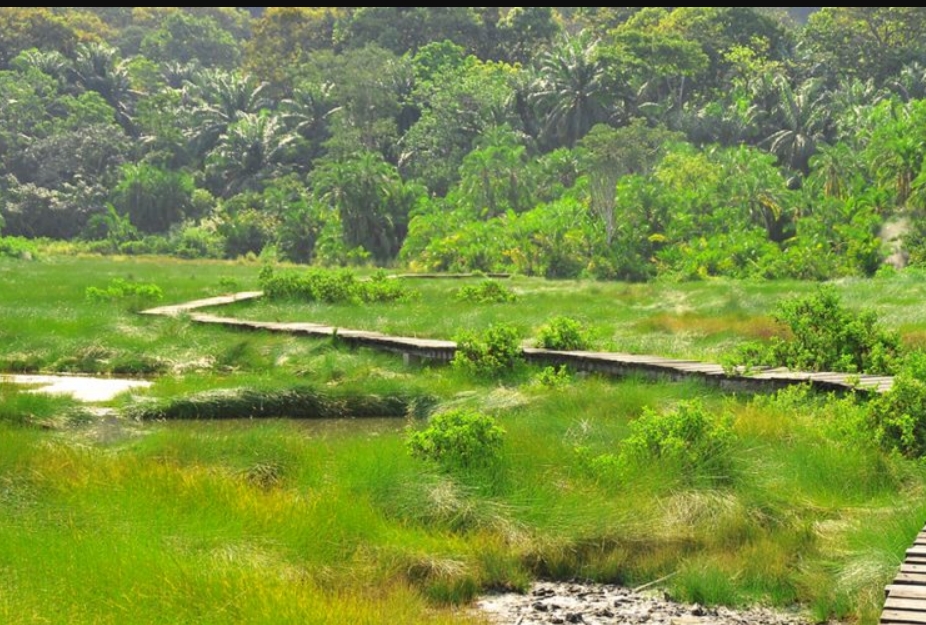
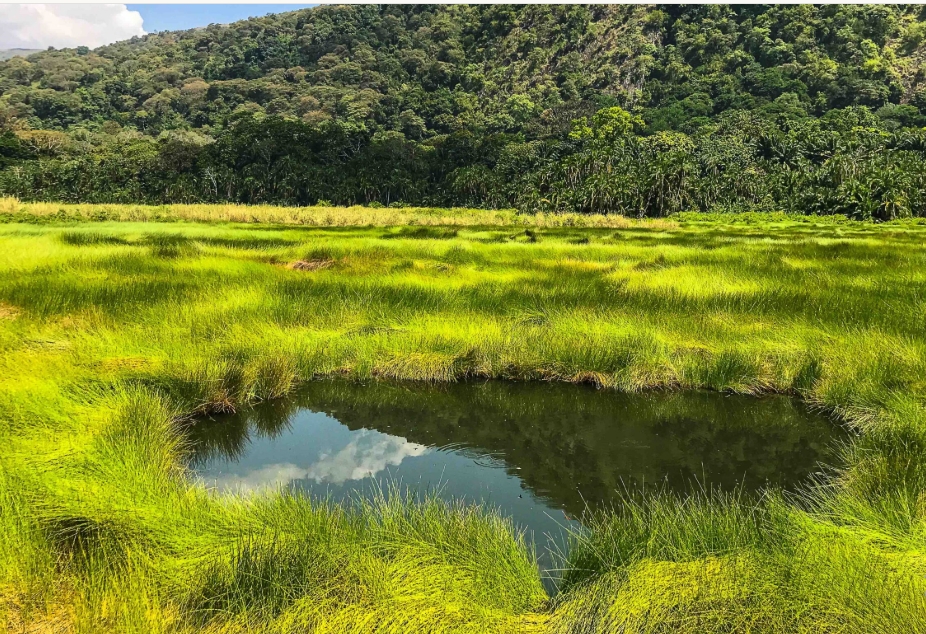
The Park has rich ecosystems such as woodlands, savannah grasslands, wetlands, and riverine tropical forests, which provide a habitat for various bird species. It hosts over 453 bird species, including Guinea-Congo biome endemics, water birds, savannah birds, forest birds, and migratory bird species. The park has different birding destinations such as the Royal Mile, Budongo Forest, and Kaniyo Pabidi, with unique bird species.
Birds in Murchison Falls National Park.
- White-faced Whistling-Duck (Dendrocygna viduata)
- Fulvous Whistling-Duck (Dendrocygna bicolor)
- Knob-billed Duck (Sarkidiornis melanotos)
- Egyptian Goose (Alopochen aegyptiaca)
- Spur-winged Goose (Plectropterus gambensis)
- Yellow-billed Duck (Anas undulata)
- Helmeted Guineafowl (Numida meleagris)
- Western Crested Guineafowl (Guttera verreauxi)
- Greater Flamingo (Phoenicopterus roseus)
- Rock Pratincole (Glareola nuchalis)
- Rock Pigeon (Columba livia)
- Afep Pigeon (Columba unicincta)
- Mourning Collared-Dove (Streptopelia decipiens)
- Red-eyed Dove (Streptopelia semitorquata)
- Ring-necked Dove (Streptopelia capicola)
- Vinaceous Dove (Streptopelia vinacea)
- Laughing Dove (Spilopelia senegalensis)
- Tambourine Dove (Turtur tympanistria)
- Blue-spotted Wood-Dove (Turtur afer)
- Black-billed Wood-Dove (Turtur abyssinicus)
- Abyssinian Ground Hornbill (Bucorvus abyssinicus)
- Black-and-white Casqued Hornbill (Bycanistes subcylindricus)
- White-thighed Hornbill (Bycanistes albotibialis)
- Piping Hornbill (Bycanistes fistulator)
- Yellow-casqued Hornbill (Tockus flavirostris)
- Red-billed Hornbill (Tockus erythrorhynchus)
- White-cheeked Hornbill (Tockus leucomelas)
- Black-casqued Hornbill (Ceratogymna atrata)
- Brown-cheeked Hornbill (Tockus multistratus)
- Pale-billed Hornbill (Tockus pallidirostris)
- White-cheeked Hornbill (Tockus leucomelas)
- Black-casqued Hornbill (Ceratogymna atrata)
- Brown-cheeked Hornbill (Tockus multistratus)
- Pale-billed Hornbill (Tockus pallidirostris)
- Yellow-casqued Hornbill (Tockus flavirostris)
- Red-billed Hornbill (Tockus erythrorhynchus)
- Giant Kingfisher (Megaceryle maxima)
- Malachite Kingfisher (Corythornis cristatus)
- Pied Kingfisher (Ceryle rudis)
- Woodland Kingfisher (Halcyon senegalensis)
- Grey-headed Kingfisher (Halcyon leucocephala)
- Chocolate-backed Kingfisher (Halcyon badia)
- Blue-breasted Kingfisher (Halcyon malimbica)
- Striped Kingfisher (Halcyon chelicuti)
- Brown-hooded Kingfisher (Halcyon albiventris)
- Black-capped Kingfisher (Halcyon pileata)
- Northern Carmine Bee-eater (Merops nubicus)
- Red-throated Bee-eater (Merops bulocki)
- Swallow-tailed Bee-eater (Merops hirundineus)
- White-fronted Bee-eater (Merops bullockoides)
- Little Bee-eater (Merops pusillus)
- Blue-cheeked Bee-eater (Merops persicus)
- European Bee-eater (Merops apiaster)
- Red-fronted Bee-eater (Merops rubriceps)
- Black Bee-eater (Merops gularis)
- Green Bee-eater (Merops orientalis)
- African Scops Owl (Otus senegalensis)
- Pearl-spotted Owlet (Glaucidium perlatum)
- White-faced Scops Owl (Otus leucotis)
- Verreaux’s Eagle-Owl (Bubo lacteus)
- Spotted Eagle-Owl (Bubo africanus)
- Mottled Owl (Strix ocellata)
- Barn Owl (Tyto alba)
- Giant Eagle-Owl (Bubo lacteus)
- African Wood Owl (Strix woodfordii)
- Brown Fish Owl (Ketupa zeylonensis)
- White-backed Vulture (Gyps africanus)
- Rüppell’s Griffon Vulture (Gyps rueppelli)
- Lappet-faced Vulture (Torgos tracheliotos)
- Hooded Vulture (Necrosyrtes monachus)
- Palm-nut Vulture (Gypohierax angolensis)
- White-headed Vulture (Trigonoceps occipitalis)
- Bearded Vulture (Gypaetus barbatus)
- Egyptian Vulture (Neophron percnopterus)
- Cape Vulture (Gyps coprotheres)
- Griffon Vulture (Gyps fulvus)
- Denham’s Bustard (Neotis denhami)
- White-bellied Bustard (Eupodotis senegalensis)
- Black-bellied Bustard (Lissotis melanogaster)
- Kori Bustard (Ardeotis kori)
- Red-necked Spurfowl (Pternistis afer)
- Heuglin’s Spurfowl (Pternistis icterorhynchus)
- Crested Francolin (Ortygornis sephaena)
- Yellow-necked Spurfowl (Pternistis leucoscepus)
- Scaly Spurfowl (Pternistis squamatus)
- Black Francolin (Francolinus francolinus)
- Standard-winged Nightjar (Caprimulgus longipennis)
- Pennant-winged Nightjar (Macrodipteryx vexillarius)
- Long-tailed Nightjar (Caprimulgus climacurus)
- Freckled Nightjar (Caprimulgus tristigma)
- European Bee-eater (Merops apiaster)
- Willow Warbler (Phylloscopus trochilus)
- Common Redstart (Phoenicurus phoenicurus)
- Pied Flycatcher (Ficedula hypoleuca)
- Eurasian Reed Warbler (Acrocephalus scirpaceus)
- Barn Swallow (Hirundo rustica)
- Common Cuckoo (Cuculus canorus)
- Lesser Whitethroat (Curruca curruca)
- Spotted Flycatcher (Muscicapa striata)
- Wood Warbler (Phylloscopus sibilatrix)
- Red-throated Bee-eater (Merops bulocki)
- European Pied Flycatcher (Ficedula hypoleuca) – some overlap
- White Stork (Ciconia
- African Skimmer (Rynchops flavirostris) – partial migration
- African Hobby (Falco cuvierii)
- Yellow Wagtail (Motacilla flava)
- Common Swift (Apus apus)
- Amur Falcon (Falco amurensis) – rare visitor
Best Time to do birding in the Park.
The park can be visited throughout the year, and the best time to see birds in Murchison Falls National Park depends on your interests. The park receives two seasons, the wet season and the dry season, both offering unique bird watching experiences. The dry season runs from June to September and December to February, which is characterized by little to no rainforest, the park is dry, making it easy to penetrate it. The wet season runs from October to November and March to May. During this season, the park receives heavy rainfall, which makes penetrating it challenging. This is a breeding season for various bird species, and migratory birds come to the park during this season in search of food.