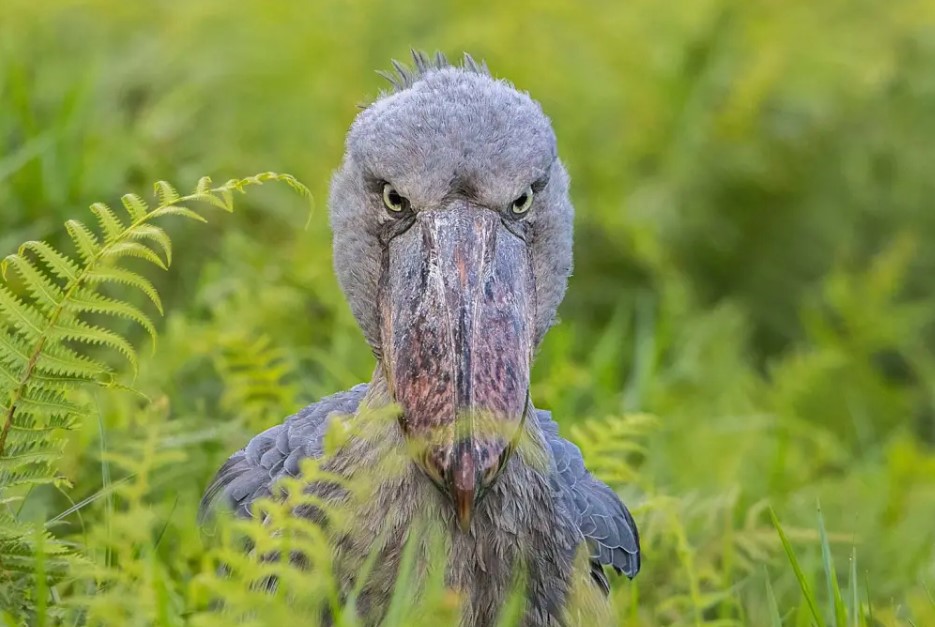
Birding Tours in Mabamba Wetland
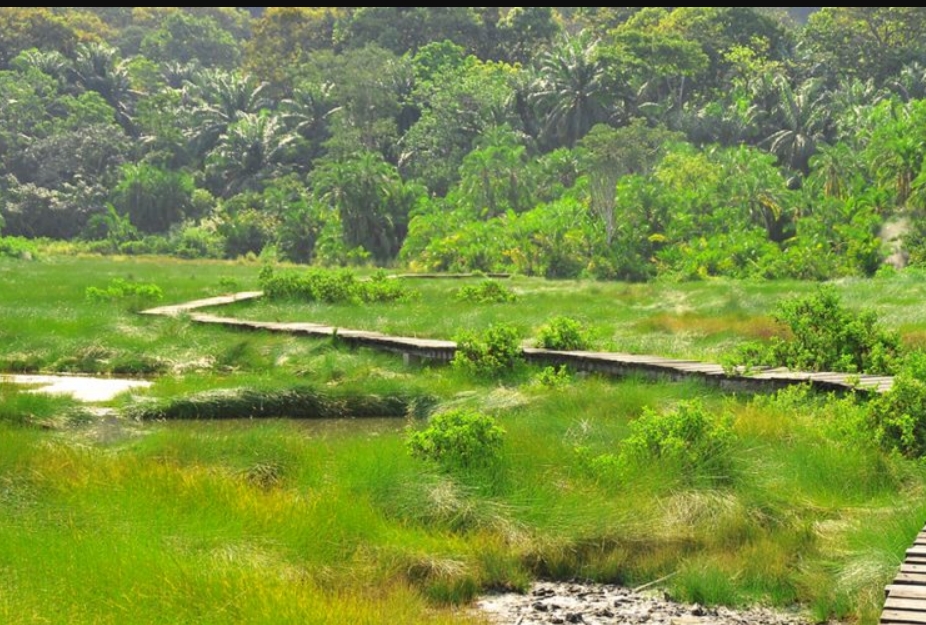
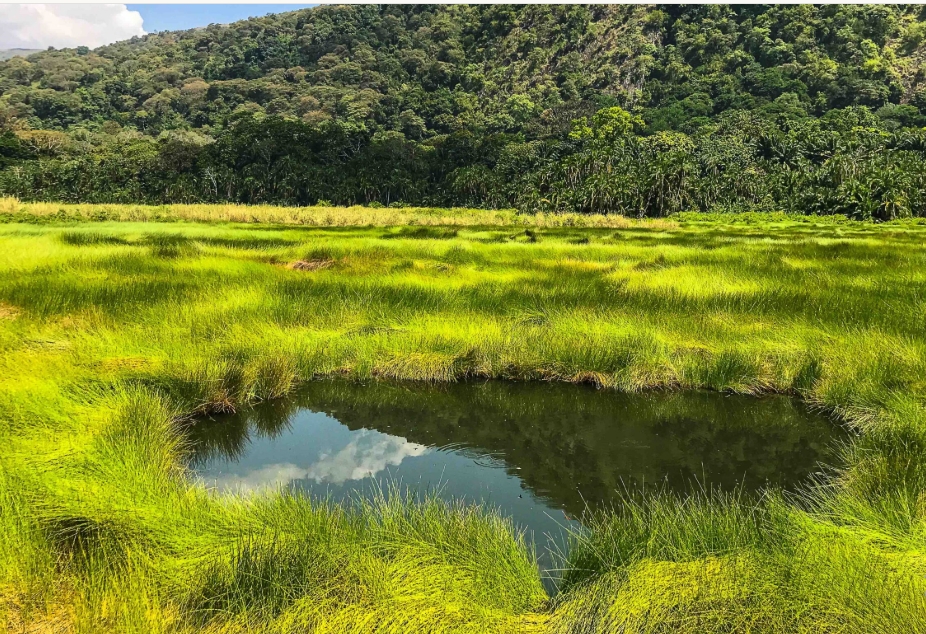
Mabamba wetland located on the northern shores of lake victoria is one of the top destinations in Uganda that offer exceptional birding tours. Birding tours in the wetland are attributed to its remarkable and diverse bird species including the swamp’s highlight, the Shoebill species, a sought-after bird or highly desired bird all over the world.
Birding tours in Mabamba Wetland are offered daily and last about 4 hours, with full-day options available upon request. The best time for birding tours is from September to March, as many migratory birds come from Europe during this period. It is recommended to book a tour a day in advance. Your tour company or driver will pick you up early in the morning from your hotel. A one-day tour costs about $200 per person. Bring a backpack, packed food, binoculars, a hat, insect repellent, sunscreen, a rain jacket, trousers, and long-sleeved shirts for the best experience.
Other activities to do in Mabamba Wetland
Although Mabamba wetland tour focuses on birdwatching experience, but there is much more to Mabamba swamp than birding. The swamp also features a variety of unique and coloful butterflies. There are over 200 butterfly species, including Acraea aganice, Achaea aurivilli and Abisaraneavei, Bicyclus sebetus and Acraea consanquine, and others.
Canoeing
This is now a common practice in Mabamba wetland where birders and nature lovers commonly use these locally made boats to spot several bird species, adventure tours and also go fishing on the shores of Lake Victoria, Africa’s largest and number one fresh water lake. However, for safety reasons, you are advised to board the boat with a life jacket, as boat owners are also aware.
Fishing in Mabamba
Before tourism grew, fishing was the most income-earning activity in Mabamba swamp, and it still is today. The most common fish caught are Tilapia, mudfish, lungfish, and Nile Perch. Many fishermen flock at the swamp for their day today fishing activities, however upon proper arrangement you can either watch them or join them using your own gear or local tools such as the rods and hooks, if you prefer.
The Mabamba swamp is a key refuge for the Sitatunga antelope. Birdwatching tours offer a chance to see these shy animals. However, their population has decreased due to poaching and habitat loss attributed to such activities and human settlement, which destroys their hiding places. Government and wildlife groups are working tirelessly to protect the Sitatunga through community sensitization.
Visiting other spots in Entebbe
Entebbe is a lovely town to explore, with unique adventure sites. After birding at Mabamba wetland, visitors can relax by Lake Victoria shores, go to the Uganda Wildlife Education Center to enjoy seeing diverse wildlife species in captivity, or see the Ssese Islands and Ngamba Island, famous for chimpanzees.
Village walks around Mabamba Wetland
During your village walks around Mabamba swamp, visitors get the opportunity of interacting with the community members to learn about their lifestyle and how they benefit from the wetland as stake holders. Besides, birding as one of the leading swamp activities, the local people have to share alot with the visitors about the other activities particularly those practicing subsistence farming near the swamp. You can visit craft shops to see handmade bags, mats, baskets, and huts. These items are often made from reeds, while the swamp also supplies herbs and building materials.
Conservation
Hundreds of tourists visit Uganda each year to see the Shoebill Stork, which highlights the need to protect their decreasing numbers in places like Mabamba Bay wetland. Mabamba Wetland also hosts several bird species about 300 species of birds, and a few animal species such as Sitatunga antelope.
However, this species is soon getting endangered due to habitat loss resulting from man’s activities such as settlement, construction, farming, and other developments. More still, poaching as well threatens the antelopes, the biggest danger for the Shoebill Stork is habitat loss due to human activities like draining the wetland for housing and other development.
Many Shoebills in Mabamba swamp were harmed by fishermen who thought seeing them brought bad luck for fishing. Some people even stole Shoebill eggs to sell on the black market. However, since the area was designated a Ramsar site, there has been better protection for the birds.
The government and wildlife agencies are educating local fishermen and communities about the importance of the wetland and its wildlife. This awareness has shown the community the economic benefits of tourism, including renting boats to tourists and training some fishermen as bird guides, making Shoebills highly valued and respected.