Birding Photography Safaris in Lake Mburo National Park Park
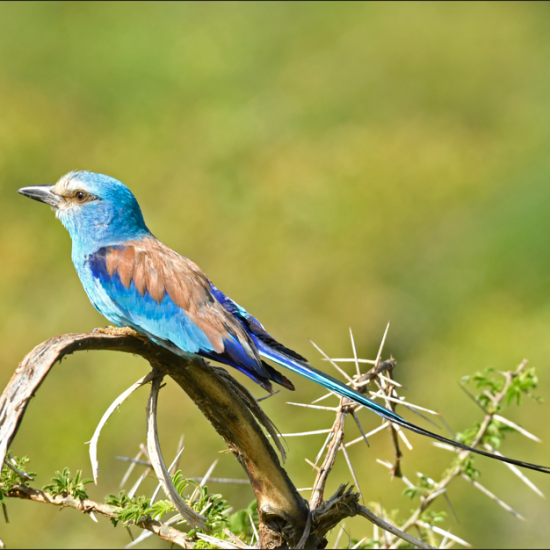
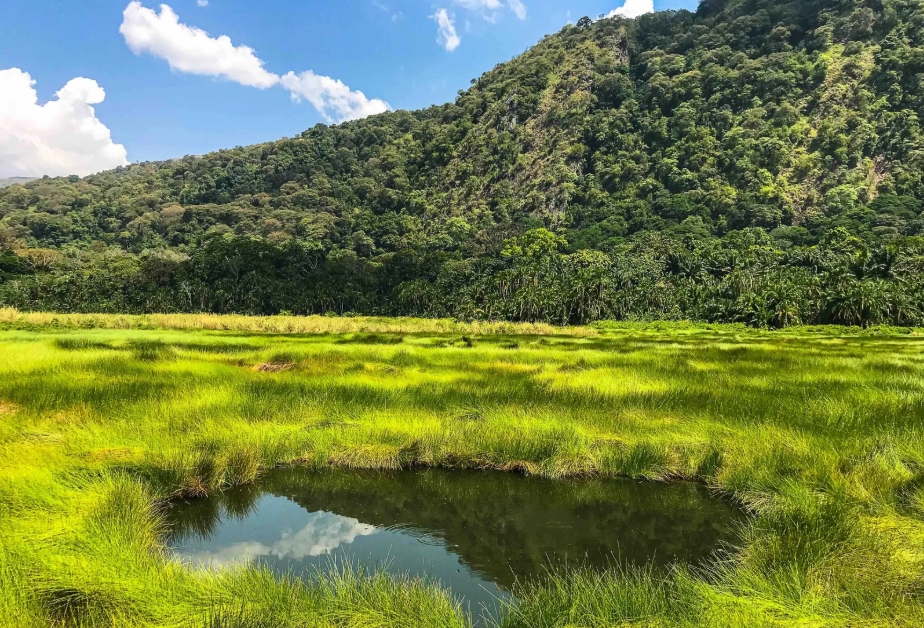
Birding photography safaris in Lake Mburo National Park are among the most thrilling safaris in the park, which offer a unique opportunity for bird lovers and photographers to capture the unique bird species found in the park’s habitats. It’s one of the most rewarding bird watching destinations in East Africa, celebrated for hosting acacia dwelling species. It’s located in the western region of Uganda, about a 3-4 hour drive from Kampala, the capital city of Uganda. It has diverse natural systems, such as wetlands, forests, acacia woodlands and savannah grasslands, which provide habitats to various bird species found in the park.
Lake Mburo National Park is the only park in Uganda which is part of the Zambezian Biome, which provides photography and bird watching experiences. It’s home to over 350 bird species, including water birds, migratory birds, acacia dwelling birds, forest birds, savannah birds and the park’s residents, which are rare to find elsewhere. Visitors can do game drives, nature walks, walking safaris, and boat cruises, all of which provide unique opportunities to capture unique bird species. Whether you are a professional wildlife photographer or an enthusiastic birder, a birding photography safari in Lake Mburo National Park promises stunning images, remarkable sightings and unforgettable experiences.
Birding Photography Safaris in Lake Mburo National Park.
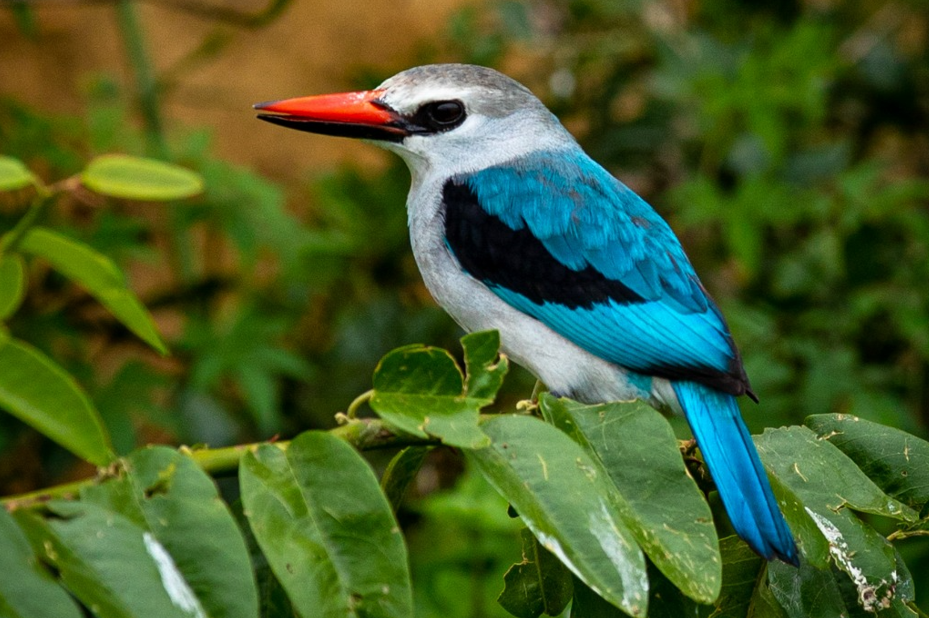
This is a guided safari led by a professional birder who identifies various bird species encountered and gives information about the behaviours of bird species encountered in the park. Birding is best done in the morning or late afternoon when birds are beginning their daily routines or concluding their routines. These hours provide exceptional chances of encountering countless bird species and capturing sharp and vibrant pictures. Photographers will explore renowned birding spots such as Rubanga Forest, Warukiri and Miriti swamps, the shores of Lake Mburo, and Rwongo wetlands. These areas provide excellent opportunities to photograph sought-after species like Red-faced Barbet, African Finfoot, Papyrus Gonolek, Grey Crowned Crane, African Fish Eagle, Malachite Kingfisher, Ross’s Turaco and more bird species. To make the most of your birding adventure, it is important to come well prepared. Consider carrying a quality camera with a telephoto lens for capturing distant birds, spare batteries, memory cards, binoculars, a bird watching checklist, a tripod for stability, and a waterproof bag to protect your equipment.
Birds to Encounter on Photography Safaris.
Bird lovers and photographers will encounter countless unique birds on their photography safaris in Lake Mburo National Park, which include Fulvous Whistling-Duck, White-backed Duck, Knob-billed Duck, Egyptian Goose, Spur-winged Goose, African Pygmy-Goose, Blue-billed Teal, Yellow-billed Duck, Red-billed Duck, Helmeted Guineafowl, Western Crested Guineafowl, Crested Francolin, Coqui Francolin, Ring-necked Francolin, Red-winged Francolin, Handsome Spurfowl, Scaly Spurfowl, Red-necked Spurfowl, Speckled Pigeon, Rameron Pigeon, White-naped Pigeon, Dusky Turtle-Dove, Mourning Collared-Dove, Red-eyed Dove, Ring-necked Dove, Vinaceous Dove, Laughing Dove, Emerald-spotted Wood-Dove, Black-billed Wood-Dove, Blue-spotted Wood-Dove, Tambourine Dove, Namaqua Dove, African Green-Pigeon, Black-bellied Bustard, Great Blue Turaco, Bare-faced Go-away-bird, Pied Cuckoo, Dideric Cuckoo, Klaas’s Cuckoo, Yellow-throated Cuckoo, African Emerald Cuckoo, Dusky Long-tailed Cuckoo.
Others Include Barred Long-tailed Cuckoo, Black Cuckoo, Red-chested Cuckoo, African Cuckoo, Common Cuckoo, Pennant-winged Nightjar, Standard-winged Nightjar, Fiery-necked Nightjar, Swamp Nightjar, Plain Nightjar, Freckled Nightjar, Slender-tailed Nightjar, Square-tailed Nightjar, Mottled Spinetail, Wood Sandpiper, Common Greenshank, Temminck’s Stint, Ruff, Small Buttonquail, Bronze-winged Courser, Gray-hooded Gull, Lesser Black-backed Gull, African Skimmer, Gull-billed Tern, Whiskered Tern, Gull-billed Tern, Greater Flamingo, Lesser Flamingo, Verreaux’s Eagle-Owl, Pearl-spotted Owlet, Southern White-faced Owl, Narina Trogon, Common Hoopoe, Green Woodhoopoe, Forest Scimitarbill, Little Grebe, Little Grebe, African Openbill, Black Stork, Abdim’s Stork, African Woolly-necked Stork, Saddle-billed Stork, Marabou Stork, Yellow-billed Stork, Great Cormorant, Great Cormorant, Glossy Ibis, African Sacred Ibis, Hadada Ibis, African Spoonbill, Dwarf Bittern, Little Bittern, Black-crowned Night Heron and more.
Best Time to Visit the Park for Photography Safaris.
Travellers can come for photography safaris in Lake Mburo National Park at any time of the year. It experiences two seasons, the dry season and the wet season. The wet season is the most preferred season by birding photographers, which is from October to November and March to May. During this period, the park receives enough rainfall, and the park has enough food, which attracts various bird species. This is the period of the year when migratory bird species travel from Europe and Asia to the park, migrating away from the harsh weather conditions and searching for food. This is the breeding season of most bird species, and the park offers excellent chances of encountering various bird species since they don’t move deep in the forest in search of food. Visitors should be aware that during this period, the park is muddy. The dry season runs from June to September and from December to February. During this period, the park receives little to no rainfall, the park is less muddy and slippery, making it easy to penetrate the park in search of various bird species.