Bird Watching in Murchison Falls National Park.
Bird watching in Murchison Falls National Park is one of the most rewarding activities in the park, attracting bird enthusiasts from around the globe to immerse themselves in over 453 bird species that call this wonderful park home, including migratory birds, guinea-congo biome, nocturnal birds, forest birds, and aquatic birds. Murchison Falls National Park is one of the premier bird watching destinations in Uganda, situated in the northern part of the Albertine Rift Valley.
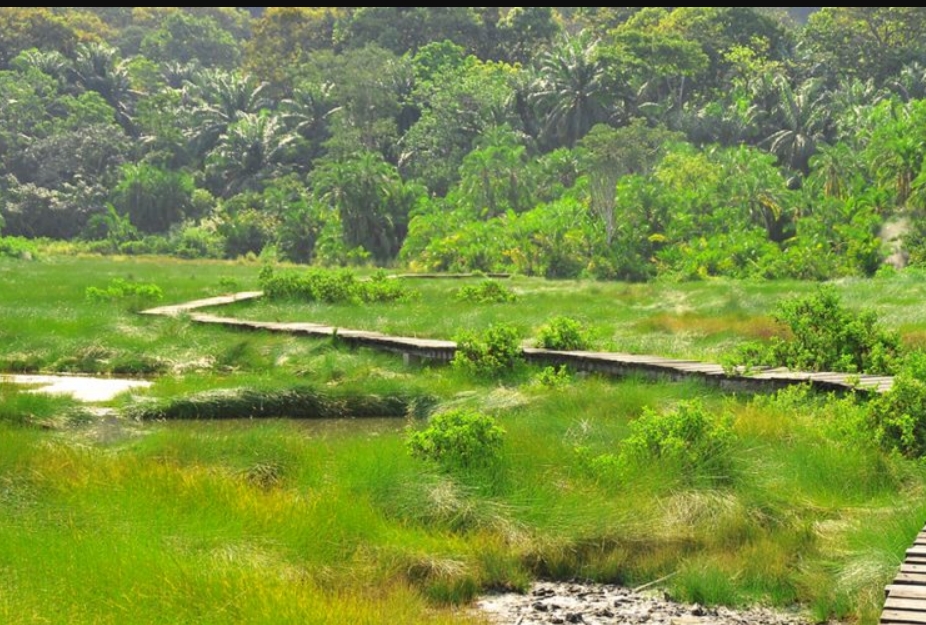
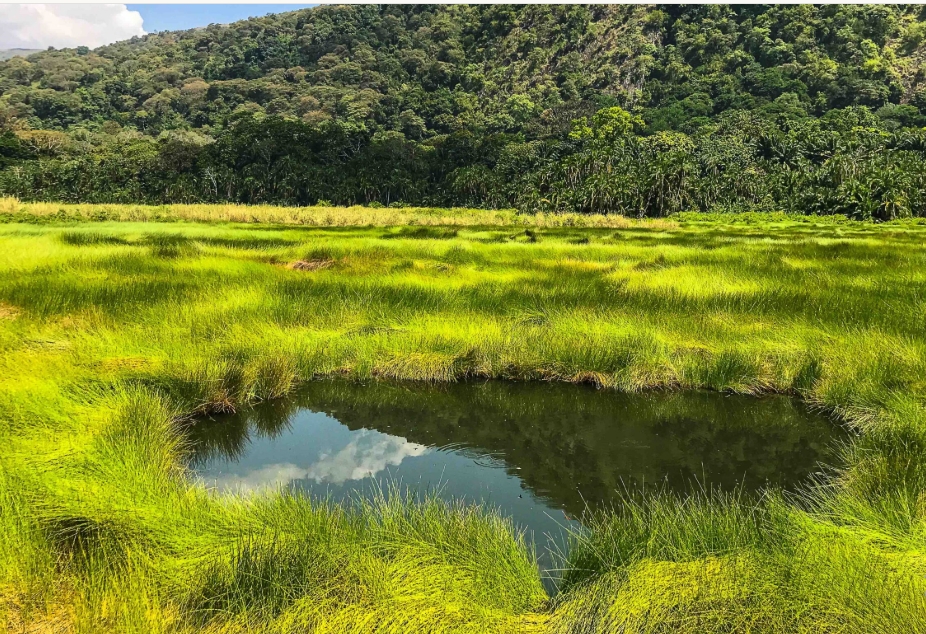
Murchison Falls National Park is bisected by the River Nile into the northern and southern banks. The park has a variety of unique habitats, such as riverine forests, savannah grasslands, swamps, and woodlands, which contribute to its rich birdlife. The park has various sites that are suitable for birding, such as the Royal Mile, Kaniyo Pabidi, Budongo Forest, and Albert Delta, with various waterbird species like the prehistoric Shoebill Stork.
Bird Watching Experience in Murchison Falls National Park.
Bird watching in Murchison Falls National Park is an incredible activity that caters to all birders’ needs. Whether you are an experienced birder or a beginner, the park promises an unforgettable experience. The park offers various ways of spotting birds, such as game drives, nature walks, and boat cruises, which allow visitors to embrace its rich birdlife. Visitors can either do birding in the morning when birds are still active or in the evening, and this is a guided activity led by an experienced park birder who gives more insightful information about the bird species that you may encounter. Visitors use various birding trails like Baker’s trail, Budongo Forest, Royal Mile, and more, that allow them to spot unique bird species in the park, such as Nahan’s Partridge, the elusive Shoebill Stork, Puvel’s illadopsis, Ituri Batis, the Secretary Bird, Chocolate-backed Kingfisher, Congo pied Hornbill, Chestnut-capped Flycatcher, Western Mash Harrier, Pied Wheatears, Southern Carmine Bee-eaters, Grasshopper Buzzard, and Red-backed, among others. If you are a bird lover, Murchison Falls National Park should be added to your bucket list; it’s a true birder’s haven.
Birds to see in Murchison Falls.
Murchison Falls National Park is a paradise for birding, and bird lovers will enjoy spotting forest birds, aquatic birds, and savannah birds on their bird watching safari in the Pearl of Africa. There are various bird species to see on your bird watching safari in Murchison Falls National park such asAfrican Fish Eagle, Abyssinian Ground Hornbill, Goliath Heron, Pied Kingfisher, Grey Crowned Crane, Red-throated Bee-eater, Denham’s Bustard, Black-bellied Bustard, , Martial Eagle, Marabou Stork, Lappet-faced Vulture, Palm-Vulture, Rock Pratincole, Spotted Thick-knee, Long-toed Lapwing, African Quail-Finch, White-faced Whistling Duck, Yellow-billed Stork, Piapiac, Black-headed Lapwing, Senegal Thick-Knee, Heuglin’s Francolin, White-browed Sparrow- Weaver, Speckle-fronted Weaver, Shelley’s Sparrow, Black-headed Gonolek, Red-winged Grey Warbler, White-fronted Black Chat, Red-billed Quelea, Red-necked Falcon, Abyssinian Roller, Martial Eagle, Marabou Stork, Lappet-faced Vulture, Palm-Vulture, Rock Pratincole, Open-billed stork, Silver bird, Eatern Grey Plantain, Black-billed Barbet, Grey-headed Kingfisher, Tawny Eagle, African Pied Hornbill, White-thighed Hornbill, Black and white Casqued Hornbill, Narina Trogon, African Dwarf KingfisherSpotted Thick-knee, Long-toed Lapwing, African Quail-Finch, White-faced Whistling Duck, Yellow-billed Stork, Black-rumped Waxbill, African Firefinch.
Best Time to do Bird Watching in Murchison Falls National Park.
Birding in Murchison Falls National Park is open throughout the year, and the best time depends on the individual’s preferences. The park receives two seasons: the wet season, which runs from December to February, and from June to September. During this season, the park receives enough rainfall, and the birding trails are muddy and slippery, making it challenging to walk in the park. However, this season comes with abundant food in the park, making it easy to see various bird species. The dry season runs from March to May and from October to November. During this season, the park receives no rainfall, the birding trails are dry, making it easy to penetrate the park, but birds tend to move deep in to the forest in search of food.