Best Time to See Tree-climbing Lions in Queen Elizabeth National Park
Best Time to See Tree-climbing Lions in Queen Elizabeth National Park: Many tourists, particularly wildlife enthusiasts, would not consider their safari a success if they miss out on seeing the big five mammals, notably the king of the jungle. Numerous wildlife species can be found in Queen Elizabeth National Park, including tree-climbing lions in the Ishasha area of the park. Visitors should be aware that the park can be visited all year round; therefore, visitors who are planning a tree-climbing lion safari should be aware of this.
However, the dry season, which occurs from June to September and December to February, is the best time to visit the park for a wildlife safari. These seasons are characterized by low vegetation, accessible roads, and clear views.
During the wet seasons of March through May and October through November, visitors can still visit Queen Elizabeth National Park and witness the magical tree-climbing lions. There are significant savings on accommodation options at this time, which benefits low-budget tourists. The tracks heading to the park are sometimes inaccessible due to slippery and muddy roads emanating from the heavy rains. This eventually makes it hard to have visibility of wildlife species such as the tree-climbing lions.
The tree climbing lions are commonly found in the rare classic savanna grasslands of Africa. Although they belong to the cat family, these tree-climbing lions are distinct from other big cats. It is quite uncommon for lions to be able to climb trees. Besides the tree-climbing lions in the Ishasha sector of Queen Elizabeth National Park, other locations in Africa for tree-climbing lions include Kruger National Park in South Africa and Tanzania’s Lake Manyara National Park.
In Uganda, only the Ishasha sector which is located in the park’s southern region of Queen Elizabeth National Park, is home to tree-climbing lions. For whatever reason, tree-climbing lions climb and lounge amid the savannah flora of the Ishasha area, which is home to acacia, fig, and cactus trees, among others.
Adult lions rarely climb trees; however, in the Ishasha region, lions are frequently spotted hanging idly from fig and acacia trees, particularly in the afternoon. According to scientists, these lions climb trees to avoid insect bites like tsetse flies, to keep an eye out for potential prey, and to escape the heat on the ground, among others.
Other wildlife species to see in Queen Elizabeth National Park
Mammals
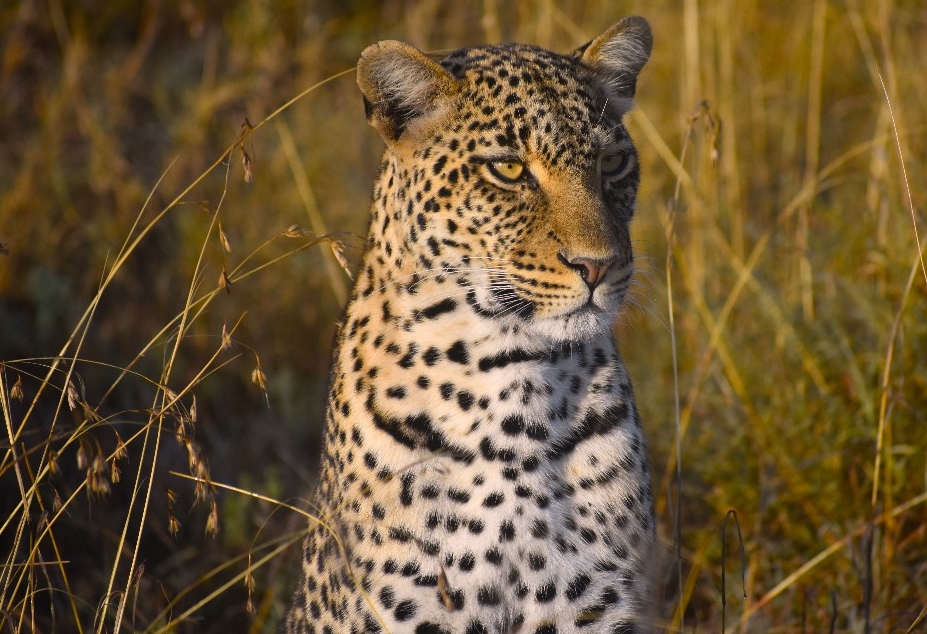
Besides the tree-climbing lions, other mammal species to see in the park include chimpanzees, elephants, side-striped jackals, giant forest hogs, leopards, Nile crocodiles, warthogs, sitatungas, Uganda kobs, defassa waterbucks, topis, cape buffaloes, hippos, elephants, leopards, spotted hyenas, olive baboons, and several other primates.
Birds- Best Time to See Tree-climbing Lions in Queen Elizabeth National Park
More than 600 bird species may be found in Queen Elizabeth National Park, some of which can be observed in the areas where tree-climbing lions reside. These include the African black duck, African palm swift, common swift, spur-winged goose, African emerald cuckoo, red-necked spurfowl, long-tailed cormorant, little grebe, Senegal coucal, red-billed teal, water thick-knee, red-eyed dove, yellow bill, and white-backed duck, among others.
What is the best way to see tree-climbing lions in the park
A game drive is the most convenient activity to see Queen Elizabeth National Park’s tree-climbing lions. The Ishasha area of the park, where these tree-climbing lions reside, is the site of game drive activities. Visitors have higher chances of seeing these majestic tree-climbing lions sprawling on the branches of large fig trees during the game drives.
You can learn why these lions climb trees by following your safari driver or being led by armed ranger guides during the activity. Getting the best locations for their prey, avoiding insects, and escaping heat from the ground are a few of the causes. You will also come across several park animals and birds while on the drive.
How to access the park
Both flight and road transportation means are viable options for getting to Queen Elizabeth National Park in a single day. You must reserve your seat in advance if you plan to go by plane with Aerolink Uganda or Bar Aviation Uganda, as these are the only airlines operating flights to the park. Flights to Mweya or Kasese airports emanate from Entebbe International Airport or Kajjansi Airfield.
By road, visitors can drive from Kampala/Entebbe to Queen Elizabeth National Park via Masaka, Mbarara, Rubirizi, Kasese, or from Kampala/Entebbe via Mubende, Kyenjojo, Fort Portal, Kasese. By travelling through Kihihi and then Kanungu, visitors from the Buhoma sector of the Bwindi Impenetrable Forest can access the Ishasha sector of Queen Elizabeth.