A Complete Guide for Wet Season Birding in Uganda
A Complete Guide for Wet Season Birding in Uganda: Uganda, aptly considered the pearl of Africa, blends unparalleled natural beauty and diverse wildlife, including unique bird species totalling over 1061 species, thus a birding paradise. However, many nature enthusiasts, birdwatchers, and ornithologists always prefer to do birding during the rainy season.
Well, this is attributed to various reasons because the rainy season turns Uganda’s landscape into an optimum birdwatching corridor/window, resulting from an abundant food supply, migration, and breeding season, increasing the abundance and visibility of these feathered creatures.
Due to Uganda’s unique climate that is characterized by two dry seasons and two wet seasons, the country hosts over 1061 bird species, which is 50% of Africa’s bird population and 11% of the world’s population, making it one of the best birding destinations that draws tourists from different parts of the world.
A Complete Guide for Wet Season Birding in Uganda: More still, the country is endowed with diverse natural habitats and landscapes that support birdlife; among these natural habitats are several protected areas such as national parks, game reserves, forests, lakes, farmlands, and others.
Uganda is great for bird-watching excursions, with over 1,080 species found in national parks, wetlands, and swamps, guided by experienced local birders. The two wet seasons run from March to May and from October to November.
These months are subject to heavy rains, especially the long wet season that begins from March to May, and these are majorly the months that support most of the birdlife activities.
Why the Wet Season is the Best Time to Do Birding in Uganda
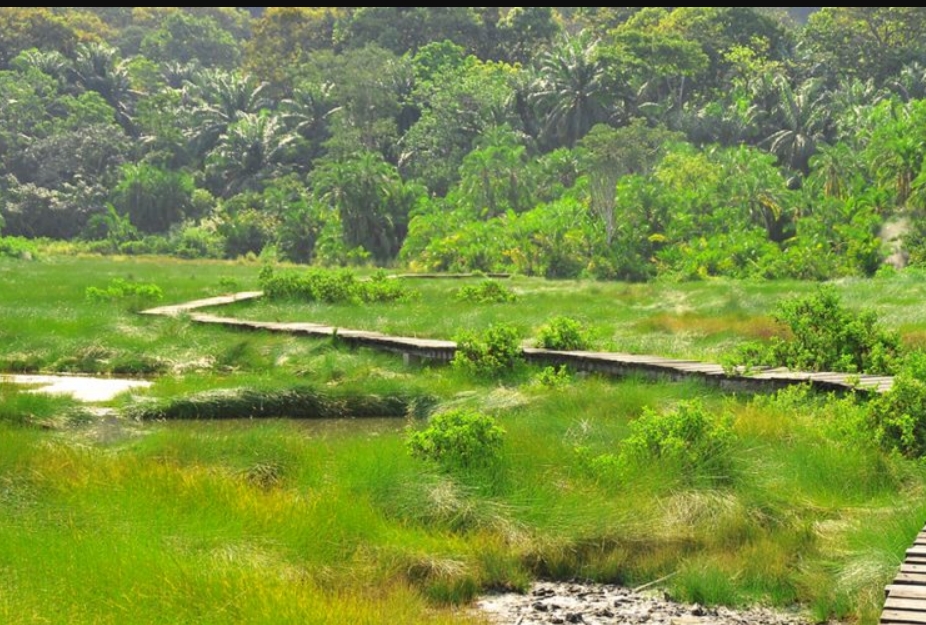
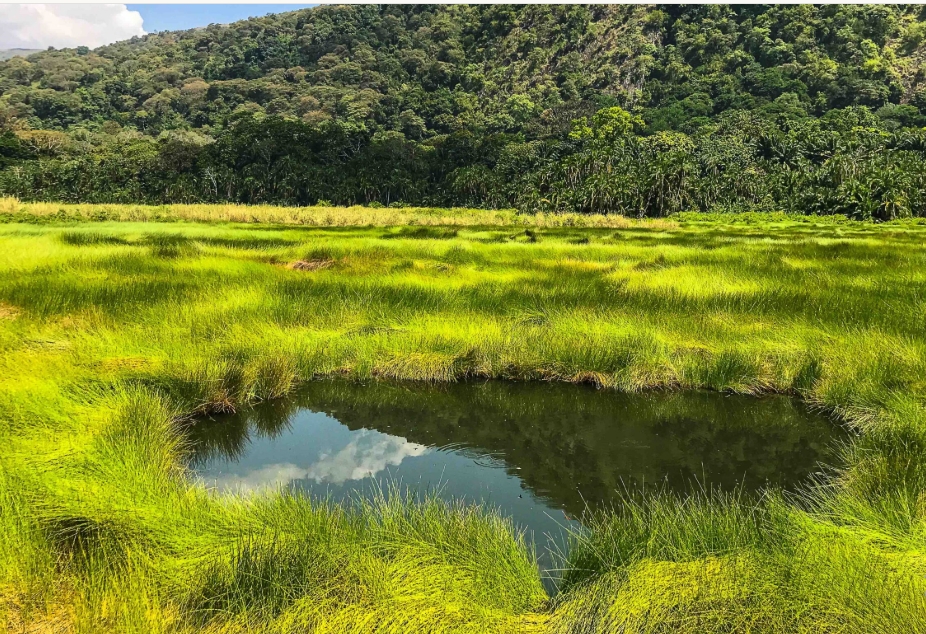
During the wet season, fewer tourists visit, allowing vegetation to thrive. This benefits birders, as many birds are in their breeding season and food is abundant. Wetlands become soggy, increasing the number of water birds in swampy areas, which offer rich feeding grounds.
Soft soil allows living organisms to emerge, providing food for the birds. The rainy season supports growth and leads to an abundance of nectar, fruits, and worms, making food readily available and enabling birders to spot many different species easily.
Breeding Season
A Complete Guide for Wet Season Birding in Uganda: Many birds in Uganda always target the wet season, which occurs from March to May and October to November. These months receive much rainfall, especially the first wave of the wet season between March and May.
This is the time when most of these birds get active and territorial, exhibiting their bright plumage and singing as they feed their chicks and protecting their nests from external attacks, especially from predators.
Mabamba wetland is commonly known for shoebill tracking, and this is more effective during the rains. During this season, birds are seen actively hunting for prey, and the males are always seen performing courtship dances to attract females.
Food Supply
During the wet season, rain supports plant fruiting, insect hatches, invertebrates, and amphibian breeding, attracting insectivores, frugivores, and several birds such as raptors and wading birds. These rains also lead to swelling of wetlands, swamps, and rivers, leading to shallow forage grounds for these bird species.
Along the Kazinga Channel in Queen Elizabeth National Park, the wetlands and swamps attract several waders such as herons, ibises, and storks and other birds such as kingfishers, African skimmers, and others. This is because, during the rainy season, crustacean species are attracted into these shallow waters, same as insects.
Migratory Birds
Since Uganda is strategically located on the East African flyway, whereby several Eurasian migrants flock to increase convergence and bird population, especially along wetlands in Uganda, lake shores, forests, and rivers, among others. Some of these migratory birds include flamingos, passerines, ducks, terns, small waders, and gulls, among others.
Lush Vegetation
A Complete Guide for Wet Season Birding in Uganda: During the dry season temperatures tend to be high, leading to dry vegetation, and water sources tend to be scarce and overcrowded. This scares away birds, who instead resort to hiding in thickets.
However, the wet season is characterized by new plant cover and leafy trees with shrouded canopies where birds can perch high to display for courtship and singing. For instance, Kibale’s Green Breasted Pitta is a rarer species to spot during the dry season than in the wet season, where it calls more often from lower canopies and responds better to playback.
Unique Habitats
Birdlife habitats such as wetlands, tropical, and highland forests depend on water. This is because some birds are wetland bird species, such as the Papyrus Yellow Warbler, Papyrus Gonolek, Shoebill, White-winged Swamp Warbler, and many others. During the dry season, these species are hard to find, especially when wetlands and swamps contract.
Top birding areas in Uganda
A Complete Guide for Wet Season Birding in Uganda: Mabamba Swamp, located on Lake Victoria, is famous for the rare shoebill stork, papyrus gonolek, malachite kingfisher, and many other species.
Semuliki National Park, near the Uganda-DR Congo border, offers birdwatching opportunities with species like the long-tailed hawk, red-throated bee-eater, Congo pied hornbill, and others.
Kibale Forest National Park is known for its chimpanzee population and over 339 bird species, such as the African crowned eagle, white-napped pigeon, red-chested owlet, and green-breasted pitta, among others.
Bwindi Impenetrable Forest National Park is home to mountain gorillas and many bird species, including Albertine rift and endemic birds. Notable species found here are Grauer’s broadbill, purple-breasted sunbird, strange sunbird, Neumann’s warbler, and regal sunbird.
Lake Mburo National Park, close to Kampala, features open savannah and wetlands, attracting birds like the shoebill stork, black-collared barbet, red-faced barbet, Tabora cisticola, African finfoot, thick-billed cuckoo, and others.
Kidepo Valley National Park in northern Uganda is rich in biodiversity, hosting over 480 bird species, including the rare Abyssinian roller, Karamoja apalis, and others.
Mgahinga National Park, the smallest in Uganda, supports endangered mountain gorillas and unique birds like the Rwenzori turaco, Shelly’s crimson wing, and others.