Why is Volcanoes National Park Famous
Why is Volcanoes National Park famous is a frequently asked question by people hearing the name for their first time, and this blog will discuss the things that make this amazing park famous. The park is widely known as the premier destination for mountain gorilla trekking in Rwanda and one of the most remarkable conservation areas in Africa. It’s situated in the northwestern part of the country, bordering Virunga National Park and Mgahinga National Park. its with in the Virunga conservation area, aimed to protect the endangered animal species, and it has breathtaking views of the Virunga ranges, which adds beauty to the park.
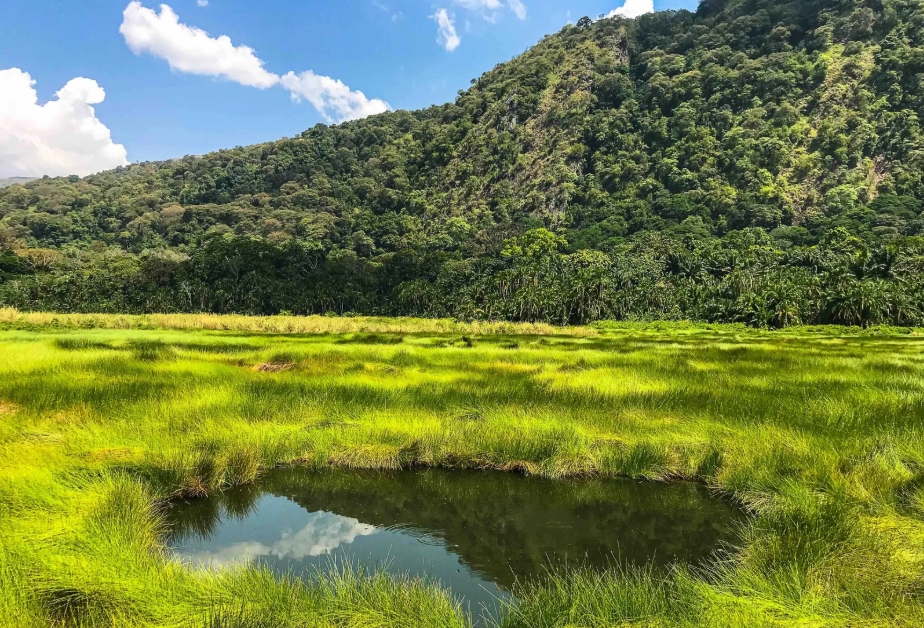
It has a rich biodiversity, home to over 237 bird species, 36 mammal species, 12 primate species, 30% of the world’s mountain gorillas, butterflies, reptiles, and amphibians. It has diverse ecosystems that provide habitats to various birds and wildlife species, such as montane forests, swamps, bamboo zones, and grasslands. It has a conservation legacy of Dian Fossey, who protected the mountain gorillas up to her death. She researched them and led many campaigns to protect the endangered mountain gorillas. The park provides incredible wildlife encounters like gorilla trekking, golden monkey tracking, bird watching, nature walks, and cultural encounters that make every visit unforgettable.
Things that make Volcanoes National Park Famous.
Mountain Gorilla Trekking.
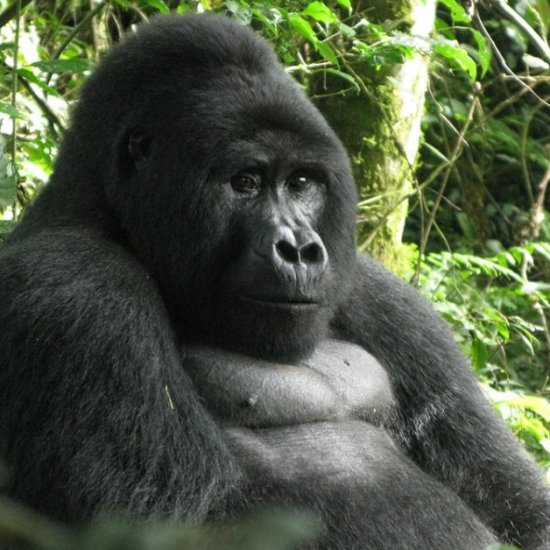
Volcanoes National Park is globally famous for mountain gorilla trekking, which is considered one of the most extraordinary wildlife experiences in the world. The park protects over 30% of the total population of the endangered mountain gorillas in the world. Gorilla trekking involves hiking through the steep slopes with the help of an experienced park guide in search of the endangered gorillas in their natural habitat. Trekking begins early in the morning with a briefing about the rules and regulations of the activity, and participants are divided into groups of 8. Each group is assigned to a gorilla family, which they search for while in the dense forest of the park. Gorilla trekking takes between 2 and 7 hours, depending on the location of the gorilla, and once they are located, participants are given strictly one hour to be with them. They will watch them as they feed, play, groom, mothers taking care of the young ones, which creates an emotional and unforgettable experience that attracts travellers, photographers, researchers, and conservation enthusiasts from all over the world.
The Conservation Legacy of Dian Fossey.
This is one of the best things that makes Volcanoes National Park famous, as it gained international recognition through the conservation works of Dian Fossey, who was an American primatologist and naturalist. She dedicated her life to protecting the endangered mountain gorillas from poaching and habitat destruction up to her death, as she was killed by poachers at her home. She established the Karisoke Research Center between Volcanoes and carried out extensive studies on gorilla behaviours. Her work brought worldwide attention to the threats facing mountain gorillas and inspired global conservation efforts. Even today, visitors hike to her remarkable research site and grave; she was buried next to her favourite mountain gorilla as a tribute to her remarkable contribution to wildlife conservation and gorilla protection. Her dedication to protecting the endangered mountain gorillas was filmed in a movie called “Gorillas in the Mist”.
Golden Monkey Tracking.
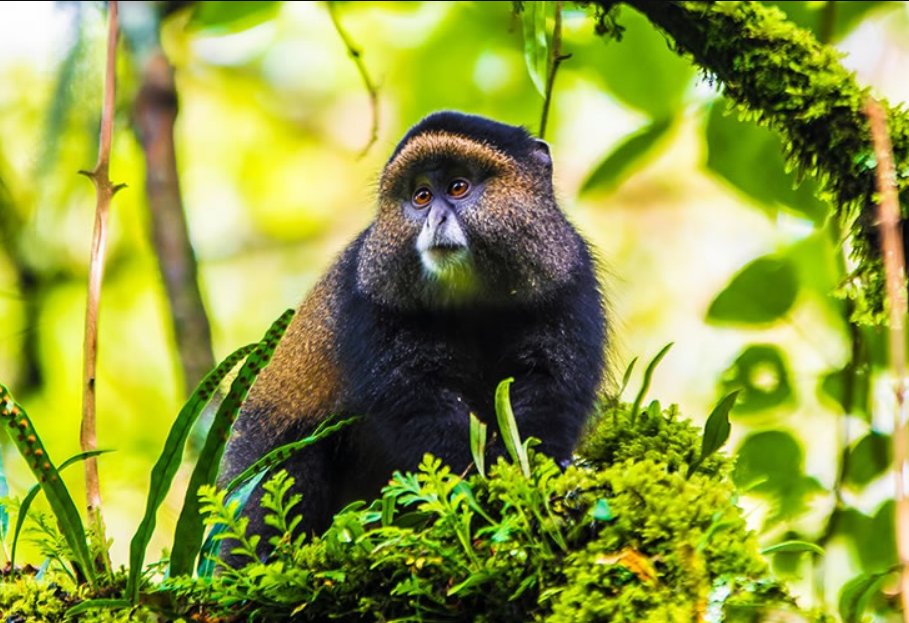
Volcanoes National Park is also famous for hosting the endangered golden monkeys, which are unique to the Albertine Rift region. These beautiful primates are easily recognised by their striking golden orange fur and energetic behaviours. They are so playful and live in groups of up to 60 individuals. Golden monkey tracking gives nature lovers a chance to have a close encounter with these playful monkeys. Unlike gorilla trekking, it’s easy to track within the park’s bamboo forests. Tracking takes between 2 and 3 hours, with one hour given to participants to observe them. Participants will have an opportunity to see them leaping through bamboo forests, feeding, and playing in groups, which offers exceptional experiences to participants.
Rich Avian Life.
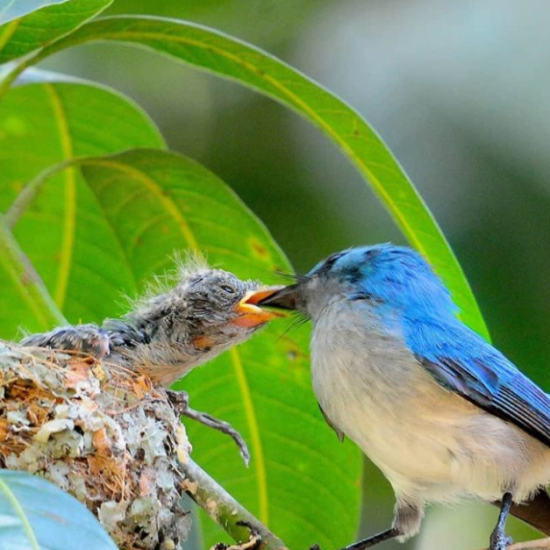
Volcanoes National Park is famous for its rich avian life, making it one of the best safari destinations for bird watching. The park is home to over 237 bird species, including 17 Albertine Rift endemics, forest birds, water birds, migratory birds and the park’s endemics. Bird enthusiasts will find the park a paradise for bird watching as they indulge themselves in the park’s unique bird species. Some of the bird species found in the park include Dusky Crimsonwing, Rwenzori Double- collared Sunbird, Hottentot Teal, African Black Duck, Yellow-billed Duck, Handsome Francolin, Little Grebe, Speckled Pigeon, African Olive Pigeon, Barred Long-tailed Cuckoo, Red-chested Cuckoo, Black Crake, Red-knobbed Coot, Grey Crowned Crane, Ruwenzori Turaco, Black-billed Turaco, Ross’s Turaco, MarabouDusky Turtle Dove, Mourning Collared Dove, Red-eyed Dove, Ring-necked Dove, Laughing Dove, African Green Pigeon, Tambourine Dove, Scarce Swift, African Palm Swift, Alpine Swift, White-rumped Swift, Little Swift, African Swift, Blue-headed Coucal, Levaillant’s Cuckoo, Klaas’s Cuckoo, African Emerald Cuckoo, Diederick Cuckoo, Collared Sunbird, Blue-headed Sunbird, Olive Sunbird, Scarlet-chested Sunbird, Bronzy Sunbird, Malachite Sunbird, Olive-bellied Sunbird, Scarlet-tufted Sunbird, Regal Sunbird, Northern Double-collared Sunbird, Red-chested Sunbird.