Why Ankole Region Remains a Tourism Secret
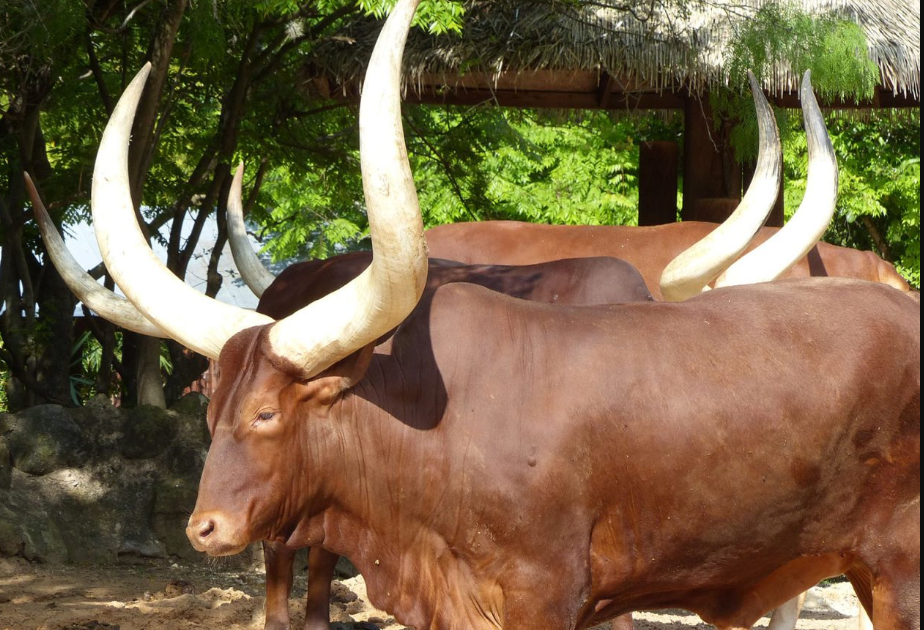
Why Ankole Region Remains a Tourism Secret: One of the most prominent and powerful areas in southwest Uganda is the Ankole sub-region, which has a rich history, distinctive culture, and landmarks. Nonetheless, it is thought that the majority of its tourism destinations and attractions that highlight the area’s cultural legacy have not yet been fully utilised. These include the crater lakes of Rubirizi, Lake Mburo and Queen Elizabeth National Park, the Mugabe Palace, and the headquarters of the now-defunct Ankole Kingdom at Kamukuzi Hill. The long-horned cattle, a unique type of African cattle, are another notable feature of the subregion.
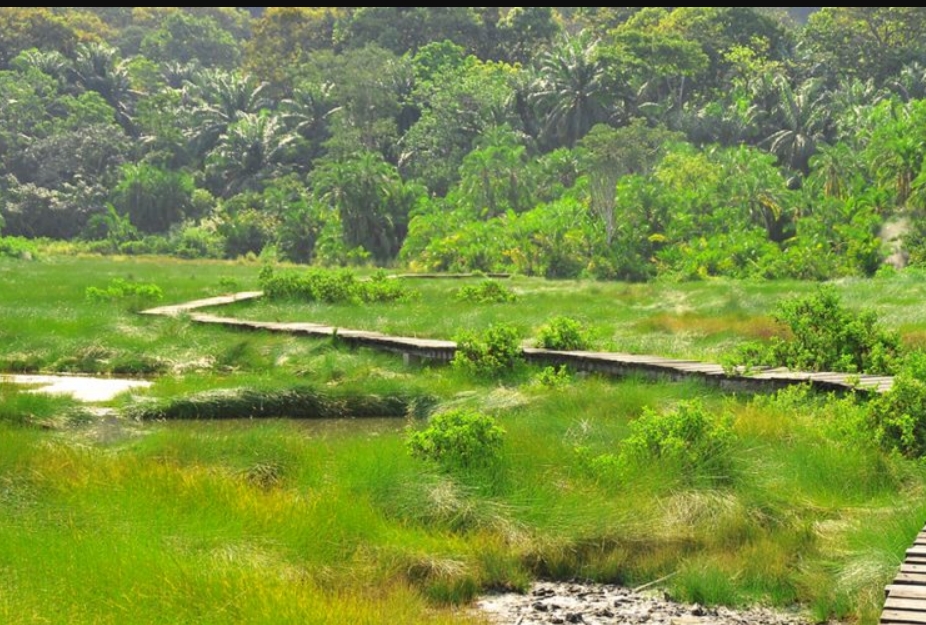
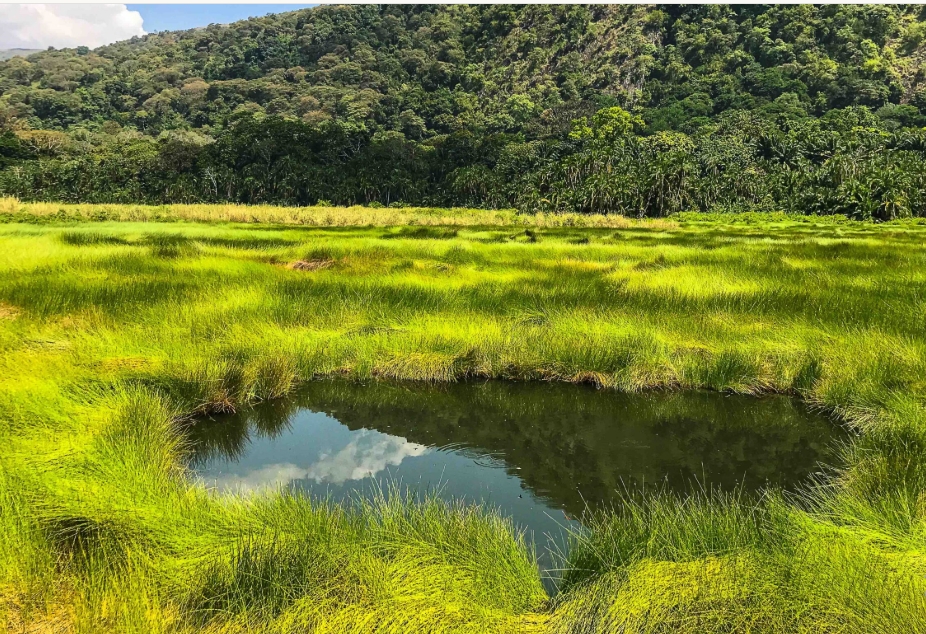
The twelve districts that make up the Ankole region are Mbarara, Rwampara, Kazo, Kiruhura, Ibanda, Ntungamo, Sheema, Buhweju, Bushenyi, Mitooma, and Rubirizi. The area is a significant producer of coffee. The districts of Bushenyi and Buhweju are where most coffee is farmed. The area is also proud of its stunning landscapes.
Despite tourism being one of the main drivers of the local economy, Mr. Howard Muhwezi, a youth leader in Mbarara City, claims that there is no conscious attempt to make the area’s attractions more well-known to the outside world. “We have no intentional plans to promote our tourist destinations. They believe that wild animals are the only aspect of tourism, but there are other types of tourism as well. According to him, local communities must be given the authority to promote all facets of tourism.
How Ankole culture is dying
Why Ankole Region Remains a Tourism Secret: According to Mr. Devin Itaagi, CEO of Canine Safaris, a tour operator in western Uganda, local governments do not recognise tourism as a significant force behind social-economic change. The majority of the sites in the area lack profiles. If they were profiled, you would be aware that your guests would be interested in a number of attractions from Kasese to Kampala. However, you are unable to locate these,” he remarked. Additionally, Mr. Itaagi claims that local authorities are not doing enough to work with other partners to promote tourism.
“To infiltrate the tourism industry market and gain from it, local governments need to develop partnerships and collaborations with players in the tourism industry, like tour operators and the Uganda Tourism Board,” he states. “The tourism industry should be digitalized so that travellers may access it with only a click of a computer button,” he continues. Visits, plans, and tourist destinations are all digitalized worldwide.The Rwampara District tourism officer, Mr. Rogers Mugarura, claims that the area’s tourist attractions are not adequately advertised.
Why Ankole Region Remains a Tourism Secret: Given the absence of marketing, many of our tourist sites are still unknown to the outside world. As an official in charge of this area, I have nowhere to begin because the issue is made worse by the district budget’s lack of resources,” he stated. Tourists are also hindered from seeing the sites by the inadequate road system. According to Mr. Mugarura, “the majority of the territory is steep, making it challenging for tourists to access some of the sights.” Since the sites are privately held, he continues, the district does not yet get any revenue from them.
The central government, according to Mr. Robert Aturinda, the tourist officer for Ntungamo District, has prioritised environment and habitat tourism over other opportunities, such as cultural and religious tourism. Some of this nation’s tourism potential has not received priority. Culture and religious tourism has a lot of promise if it is cultivated, but the sole focus has been on environment and habitat tourism, he argues.
The speaker for Mbarara City, Mr. Bonny Tashobya, says they will soon provide a comprehensive plan to make money from the city’s tourist attractions. “We are developing a policy that will enable us to begin making money from these attractions. Visitors shouldn’t come and enjoy our treasures for free, and once they start paying, we’ll have the funds to improve these tourist destinations and work on the roads and other facilities in these locations,” he says.
The chief administrative officer of Ibanda District, Mr. Kweyamba Ruhemba, states that a thorough strategy would be developed to develop the district’s accessible locations. “We have a lot of tourist attractions, but we haven’t been making money from them directly,” he claims. According to Rubirizi District Chief Administrative Officer Mr. Edward Kasagara, the majority of the region’s districts have not matched their tourism potential with the national web.
“The overwhelming majority of visitors know which destinations are going through government agencies like the Uganda Tourism Board, so they connect directly to these places, but along the way, they have stopovers. For instance, when travelling to Queen Elizabeth National Park, they have stopovers in Mbarara and Ishaka, but the tourism potential in these stops along the way has not been marketed on the national web, so they remain unknown,” he explained.
Why Ankole Region Remains a Tourism Secret: He claims that because they have recognised tourism as a niche for income enhancement, Rubirizi has been able to make a lot of money from it. “We’ve done a lot of marketing and raised local communities’ awareness of how tourism may change them.” Because of this, there are many tourist attractions along our highways, including hotels and tourism sites that pay taxes to us, as well as art and crafts, honey, and fruits made by people for travelers. It is now our duty to ensure that we expand the infrastructure required to support the expansion of this industry, he argues.
Local authorities should spend money promoting these sites, according to Ms. Eunice Kansiime, a spokesman for the Ministry of Tourism, Wildlife, and Antiquities. The local governments ought to advertise and promote the majority of the region’s places since they are just as lucrative as other locations. Publicising these websites is not the ministry’s job, she claims.