What makes Volcanoes National Park Unique.
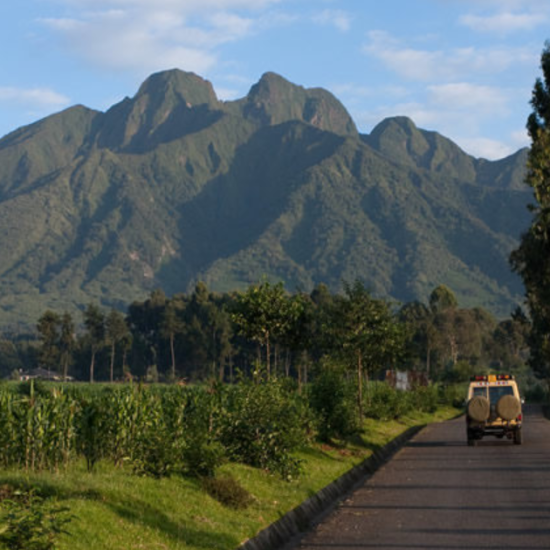
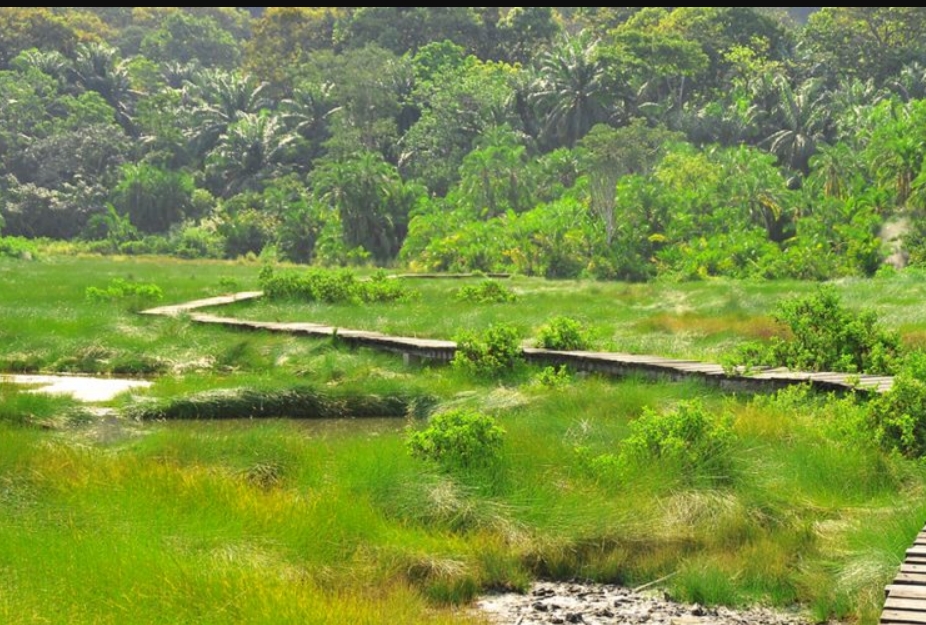
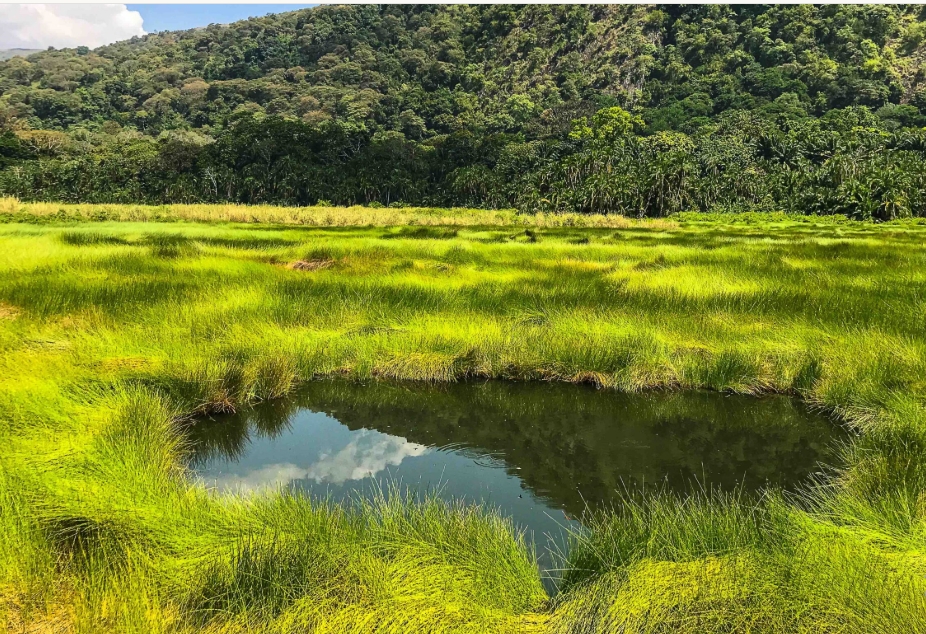
Volcanoes National Park is among the best national parks in Africa, which attracts thousands of nature lovers and primatologists to explore its unique biodiversity. The park is celebrated for hosting the endangered mountain gorillas and golden monkeys. This blog will discuss various things that make Volcanoes National Park unique. It’s located in the northern region of Rwanda. It’s within the Virunga conservation area comprising Virunga National Park, Mgahinga National Park and Volcanoes National Park with the major purpose of protecting the endangered mountain gorillas and golden monkeys. It’s the oldest national park in Africa, established in 1925 to protect the endangered mountain gorillas that existed at that time. The park is famous for gorilla trekking, but there are other activities that travellers can enjoy on their safari, like bird watching, golden monkey tracking, nature walks, cultural encounters and visiting Dian Fossey’s tomb. The park’s diverse activities are supported by its rich biodiversity, home to over 12 primate species, 237 bird species, 37 mammal species, 200 butterfly species and amphibians. It also has various ecosystems that provide habitats to the park’s residents, like grasslands, tropical rainforests, swamps and bamboo forests.
What makes Volcanoes National Park Unique.
Rich Biodiversity.
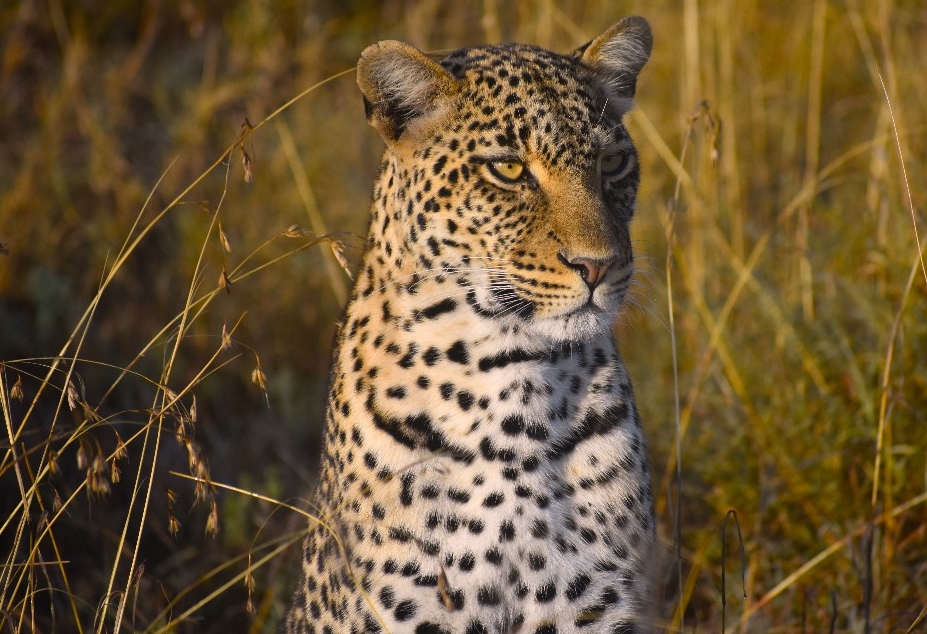
Volcanoes National Park is known for its rich biodiversity, which attracts various nature enthusiasts to explore the park’s unique species. It is home to over 37 mammal species, such as bushbuck, side-striped Jackal, forest buffalo, bush pig, serval cat, giant forest hog, porcupine, tree hyrax, 13 primate species like golden monkeys, baboons, red-tailed monkeys, olive baboons, blue monkeys, vervet monkey, silver monkey, potto, black and white colobus monkeys, 200 butterfly species like African giant swallowtail, citrus swallowtail, African monarch, yellow pansy, mountain acrea, Blue Diadem, common commodore, African blue tiger which beautifies the forest.
Home to the endangered Mountain gorillas.
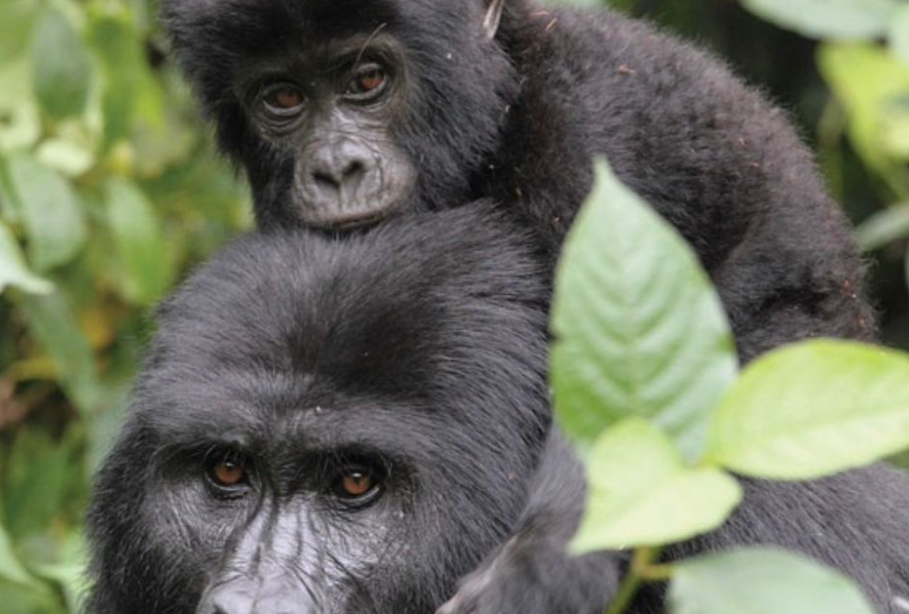
This is one of the things which makes Volcanoes National Park unique, as it’s home to over 30% of the world’s population of the endangered mountain gorillas. This makes it the second destination with the highest number of endangered mountain gorillas after Bwindi Impenetrable National Park. It has up to 14 habituated gorilla families which are ready to be in human presence, such as the Sabinyo gorilla family, Agashya gorilla family, Hirwa gorilla family, the Kwitonda gorilla family, the Ugenda gorilla family, the Amahoro gorilla family, the Bwenge gorilla family, the Umbano gorilla family, and others. The increase in the number of mountain gorillas is attributed to the conservation efforts made by the Rwanda Development Board. It has played a great role in running campaigns against poaching and sustaining the local communities on the importance of protecting the endangered mountain gorillas for future generations.
Rich Avian Life.
This is one of the things that makes Volcanoes National Park unique, as it’s a haven for bird enthusiasts and ornithologists. It’s blessed with up to 236 bird species, including 18 Albertine Endemic species, forest birds, water birds, migratory birds, and the park’s endemics, which are rare to find anywhere else. The presence of these unique bird species is supported by the park’s natural systems, such as wetlands, tropical rainforests, bamboo zones, and grasslands, which provide habitats for various bird species. The park’s bird species include Tambourine Dove, Scarce Swift, African Palm Swift, Alpine Swift, White-rumped Swift, Little Swift, African Swift, Blue-headed Coucal, Archer’s Ground Robin, Red-faced Woodland Warbler, Collared Apalis, Stranger Weaver, Dusky Crimsonwing, Rwenzori Double- collared Sunbird, Hottentot Teal, African Black Duck, Yellow-billed Duck, Handsome Francolin, Little Grebe, Speckled Pigeon, African Olive Pigeon, Dusky Turtle Dove, Mourning Collared Dove, Grey Crowned Crane, Ruwenzori Turaco, Black-billed Turaco, Ross’s Turaco, Marabou, Yellow-billed Stork, European White Stork, Pink-backed Pelican, Hamerkop, Cattle Egret, Grey Heron, Black-headed Heron,Levaillant’s Cuckoo, Klaas’s Cuckoo, African Emerald Cuckoo, Diederick Cuckoo, Barred Long-tailed Cuckoo, Red-chested Cuckoo, Black Crake, Red-knobbed Coot,.