Uganda’s Top Tourist Attractions
Uganda, known as the Pearl of Africa, offers a variety of tourist attractions for travellers on a safari. The country boasts diverse landscapes, rich plant and animal life, vibrant bird species, and a welcoming culture. Visitors can enjoy rolling hills where tea and coffee grow, alongside lakes and rivers lined with thickets and wetlands. The roads are also adorned with mango, jackfruit, and banana trees. Uganda’s top tourist attractions include the endangered Mountain Gorillas and Chimpanzees, which share 98% of their DNA with humans. Tourists can also seek out the African Big Five: Lion, Leopard, Elephant, buffalo, and White Rhinos, in addition to many other animals like antelopes, zebras, and giraffes. Uganda is home to about 1,200 out of 2,250 bird species in Africa. Sir Winston Churchill named Uganda the Pearl of Africa in 1908 to showcase its natural beauty and wealth. Today, it remains a top safari destination, featuring the largest freshwater lake, the source of the longest river, and the highest number of mountain gorillas and chimpanzees worldwide.
Uganda’s Top Tourist Attractions
Mountain Gorillas
Mountain gorillas are Uganda’s top tourist attractions, many tourists visit Bwindi Impenetrable National Park each year to track these apes. There are over 1,200 endangered mountain gorillas left in the wild, and Uganda is home to more than half of them. The remaining gorillas are found in Rwanda and the Democratic Republic of Congo. In Uganda, gorilla national parks include Bwindi Impenetrable National Park and Mgahinga Gorilla National Park. Bwindi, despite its name, is accessible and offers an amazing gorilla trekking experience.
Guided by conservationists and naturalists, visitors can spend an hour observing a gorilla family in their natural habitat. Although the trek can be challenging due to wet and muddy conditions, it provides an extraordinary experience. However, gorilla trekking permits in Uganda cost USD 800 per person, while those in Rwanda cost USD 1,500, and those in Congo cost USD 400 per person.
Chimpanzees
Uganda is known for its rich wildlife, especially its chimpanzees, making it one of Uganda’s top tourist attractions and a popular destination for safaris. There are about 300,000 chimpanzees in Africa, with Uganda home to around 6,000 of them. Kibale Forest National Park is the top spot for chimpanzee tracking, offering a unique experience in a tropical rainforest. Visitors can enjoy guided treks to see chimpanzees and other primate species, along with beautiful butterflies and birds. Other notable locations for chimpanzee safaris include Kyambura Gorge in Queen Elizabeth National Park, Kalinzu Forest in Rubirizi, Budongo Forest in Murchison Falls National Park, and Ngamba Island Chimpanzee Sanctuary.
Rwenzori Mountains
The Rwenzori Mountains are an essential water catchment area and the most stable headwaters of the River Nile, making it one of Uganda’s Top Tourist Attractions. The property’s many swift-moving rivers, stunning waterfalls, and layered vegetation make it incredibly captivating. The National Geographic states that the Rwenzori Mountains were “once known as the Mountain of the Moon” in 2012. It was ranked the ninth finest mountain in the world for hiking and climbing experiences, and the best in Africa. Experience the thrill of ascending Africa’s third-highest peak, which stands at 5109 meters and is always covered with snow. The Rwenzori Mountain peaks that can be explored during a climbing safari in Uganda are Mount Speke (4,890m), Mount Baker (4843m), Mount Emin (4,798M), Mount Gessi (4,715M), and Mount Luigi da Savoia (4,545m).
The Big Five Mammals
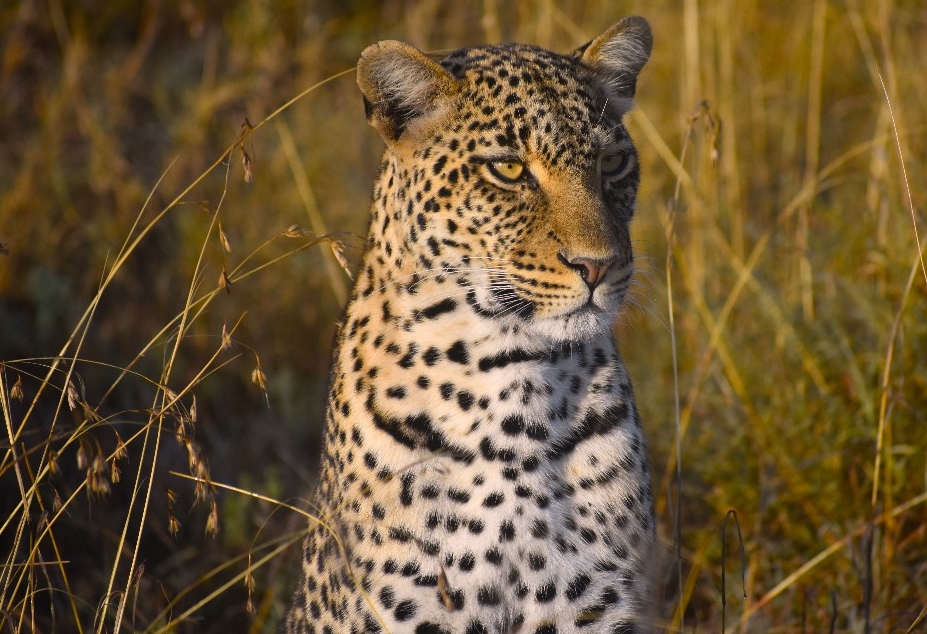
The term Big Five refers to five significant big game animals known since the 19th century. The African Big Five are one of Uganda’s top tourist attractions which includes the African Elephant, Buffalo, Lion, Leopard, and Rhino, all of which are protected in most of Uganda’s top savanna parks, reserves such as Murchison Falls National Park, Queen Elizabeth National Park, Kidepo Valley National Park, and Ziwa Rhino Sanctuary among others. Other animals to see include Cheetahs, Hyenas, Warthogs, Giraffes, Zebras, and Antelopes, often seen during boat cruises, game drives, and nature walks. In Uganda, Queen Elizabeth National Park is a top spot for seeing members of the Big Five, especially the unique tree-climbing lions. It offers boat cruises on the Kazinga Channel for hippos and crocodiles and is renowned for its 600 bird species.
Murchison Falls National Park, Uganda’s largest park is home to over 76 mammal species,452 bird species, making it one of Uganda’s Top Tourist attractions. Kidepo Valley National Park, with over 86 mammal species and 475 bird species, Lake Mburo National Park is home to over 68 mammal species, and Ziwa Rhino Sanctuary has about 44 wild white rhinos. With the Nile River neatly bisecting Uganda’s largest park, you’d expect a wide range of animals at Murchison Falls. It’s where to go in Uganda for classic big game species such as elephants, buffalo, lions, and hippos. In addition to a bird count of nearly 500, Murchison Falls also boasts chimpanzees and colobus monkeys in its forests. The source of happiness in the park rotates around the captivating water falls, where the thundering Nile is squeezed through a 7-meter cliff in the Great Rift Valley Escarpment.
Birding destinations
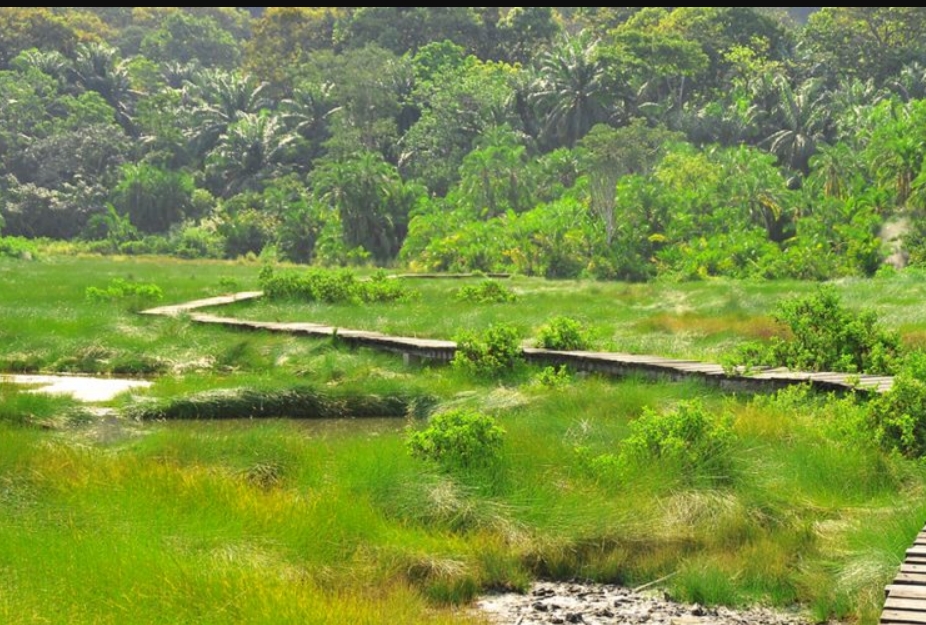
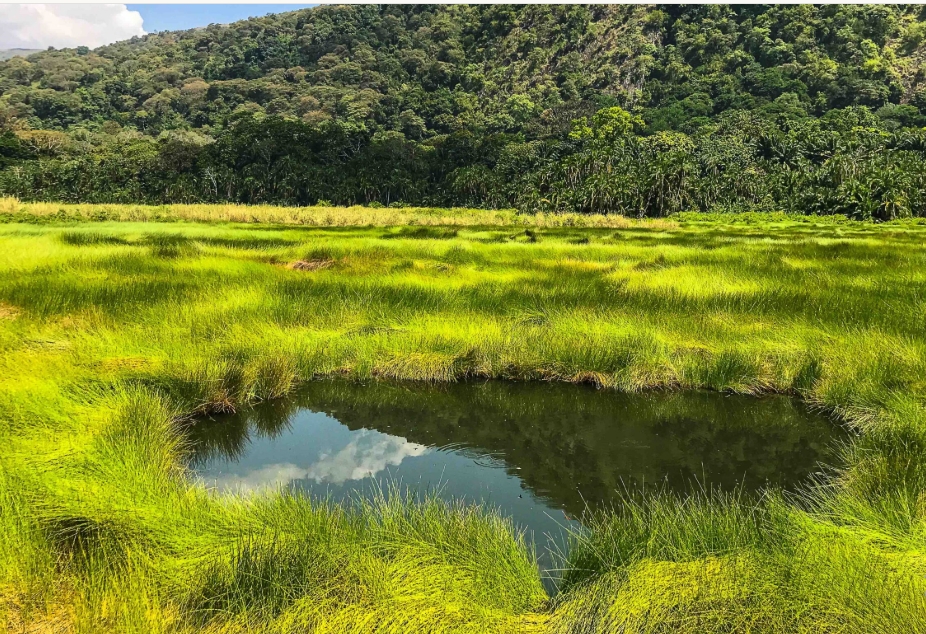
Uganda is a top birding destination in Africa, with many sought-after birds like the Shoebill found at Mabamba Swamp near Lake Victoria. The country has 10 national parks home to numerous local and migratory birds. Mabamba Swamp is especially significant as a wetland, recognized by the Ramsar Convention for its ecological importance and threatened species. Notable birding locations include Queen Elizabeth National Park with over 600 species, Bwindi Impenetrable National Park with 351 species where 23 are endemic to the Albertine Rift, Murchison Falls National Park with 450 species, Semuliki National Park with 442 species, and Kibale Forest National Park with 375 species.
The source of River Nile in Jinja
Jinja is a popular tourist destination in Uganda, known for its exciting experiences on the Nile River. Located in eastern Uganda, it is famous for being the source of the Nile, the longest river in the world. This iconic site attracts many visitors who come to enjoy activities such as white-water rafting, boat cruising, kayaking, bungee jumping, horse riding, quad biking, and mountain biking. Additionally, visitors can relax along the Nile and explore the nearby source of the Nile River.
Uganda’s Diverse Cultures
In Uganda , seeing the Ik and Karamojong people in northern Uganda and the Batwa trail in Mgahinga National Park are the most popular cultural encounters. To create room for the endangered mountain gorillas, the Batwa pygmies were forced to leave Mgahinga and Bwindi Impenetrable National Parks. The Batwa trail takes visitors to their homes. On the other hand, Folk music, dances, cuisine, attire, and architectural styles are all part of Ugandan customs. The child-cleansing ceremony is a therapeutic ritual used in Northern Uganda, especially in the Lango sub-region, to return a child’s lost manhood. Despite having more than 50 tribes, Uganda offers a diverse range of cultures for visitors to experience during their trip, including customs, economic activity, and leadership in chiefdoms and kingdoms. The Batwa, Buganda, and Karamojong people are a few of them.
Uganda Equator Line
Three Equator landmarks in Uganda are open to tourists. The first is in Kikorongo-Queen Elizabeth-Kasese District, located along the Kampala-Masaka-Mbarara road in Kayabwe, while the second is on Lake Victoria. One of the main landmarks that draws travellers from all around the world is the equator. Visitors are given the chance to stand in both hemispheres of the world because it is the location where the planet is split into the northern and southern hemispheres. Additionally, a water experiment is always on display for visitors to see how forces move differently on each side of the earth.