The Journey of Gorilla Families in Rushaga Sector
The journey of gorilla families in Rushaga sector, which is a popular area for gorilla trekking in Bwindi Impenetrable National Park, known for having the most gorilla families. It is located between Kabale and Nkuringo, accessible from Ruhija or Kampala. The region’s high hills have caused gorilla families to spread out across different hills. Tourists trekking in Rushaga can enjoy beautiful views and sometimes see the Virunga ranges, which include Mgahinga, Muhavura, Sabinyo, Karisimbi, and Bisoke. Additionally, Lake Mutanda, one of two lava-dammed lakes in Uganda, offers canoe rides before or after trekking.
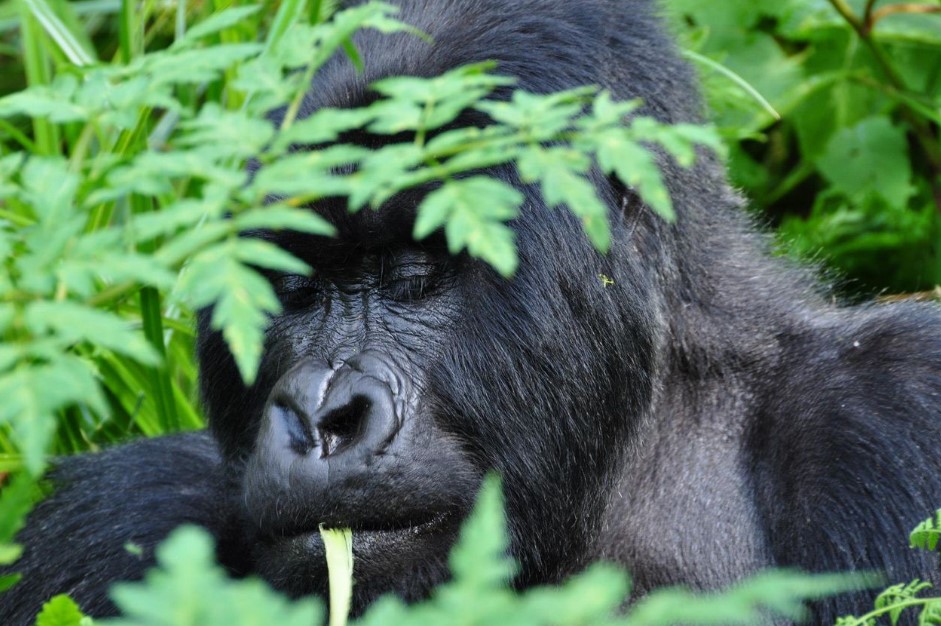
Rushaga sector is situated in the southern part of the park, which is the most frequented gorilla destination in Uganda. This area is home to eight habituated mountain gorilla families available for trekking daily. Rushaga is unique as it provides a gorilla habituation experience, where wild gorillas learn to adapt to human presence. Other sectors in Bwindi include Buhoma to the north, Nkuringo to the south, and Ruhija to the east.
Nshongi gorilla family
Nshongi is a gorilla family in the Rushaga area, named after the Nshongi River, which has honey-colored water. This family was first habituated in 2007 and opened for trekking in September 2009. In 2010, a silverback named Mishaya left the Nshongi group with 10 members to form a new family, reducing Nshongi’s members to 26. In 2013, another split created the Bweza group, leaving the Nshongi family with just 7 members.
Now, Nshongi is one of the largest habituated gorilla families in the Bwindi Impenetrable Forest. It originally had 36 members but now includes over 25 mountain gorillas, featuring one dominant silverback, two sub-silverbacks, three blackbacks, six adult females, six juveniles, and three infants. Remarkably, all silverbacks coexist peacefully without power struggles. The launch of the Nshongi group was a celebrated event in 2009. Visitors to Nshongi have a good chance of seeing other animals, birds, and butterflies in the forest.
Mishaya Gorilla Family
Mishaya is a gorilla family in the Rushaga sector that is open for trekking. It is led by a silverback named Tinfayo. This family formed in 2010 after a conflict with the Nshongi family, which led the Mishaya silverback to leave. The initial family had 10 members, but after the first Mishaya Silverback died in February 2014, some members left to join other families. In 2018, Tinfayo, previously from the Shongi family, became the leader of Mishaya. The current family has 8 members, including 1 silverback, 5 adult females, 1 juvenile, and 1 infant. Mishaya has had a history of conflicts, which affected its size; by 2015, it had 7 members due to ongoing battles. Despite the struggles, Tinfayo has successfully attracted more females in the past, increasing the group size at times. Mishaya is noted for its fighting spirit and interactions with other gorilla groups.
Kahungye gorilla family
Kahungye is a gorilla family in the Ruhaga sector, named after the hill where it was first seen. The family began to be habituated in 2009 and was open for trekking in 2011. Initially, there were 27 members led by silverback Ruhemuka until he died in March 2013 after falling from a tree. After his death, the group split into two, forming a new group called Busingye, leaving Kahungye with 17 members. Currently, Kahungye consists of 13 members, including the dominant silverback known as Gwigi and two subordinate male gorillas named Rwigi and Ruhamuka. The family was ready for tracking in 2011 but split shortly after, leading to the formation of Busingye.
Busingye gorilla group- The Journey of Gorilla Families in Rushaga Sector
Busingye is a gorilla family in the Rushaga sector that split from the Kahungye family in 2012. Named after the dominant silverback Busingye, this group has 9 members: 1 silverback, 1 blackback, 3 adult females, 2 juveniles, and 3 infants. Although the name Busingye means “peace,” the silverback is known for his aggressive nature and for fighting with other gorilla families. He often takes female gorillas from wild groups to increase his own family size. The Busingye group mainly forages in the inner parts of the park.
Bweza Gorilla Family
Another family of gorillas in the Rushaga sector is the Bweza. The dominant silverback Bweza, who split from the Nshongi gorilla family in 2012 to start his own group, is the reason the gorilla family was given its name. There are presently 12 members of the Bweza gorilla family, which includes 2 silverbacks, 3 adult females, 1 sub-adult female, 4 blackbacks, and 2 newborns. There are just seven mountain gorillas in this group, including two baby gorillas and a silverback. It is the most adaptable and fascinating gorilla group to visit during a safari in the Bwindi Impenetrable Forest.
Bikingi gorilla family- The Journey of Gorilla Families in Rushaga Sector
Travelers can enjoy a gorilla habituation experience by visiting the Bikingi and Bushaho gorilla families, and spending four hours observing their daily activities. The Bikini family is in the Rushaga sector and became habituated in 2012. Named after a former leader who died in a fight, this group now includes 12 members: 2 silverbacks, 5 adult females, 1 juvenile, and 4 infants, after some members joined other groups.
Rwigi gorilla family
In the Rushaga sector, Rwigi is one of the newest gorilla families. A conflict arose between the Rwigi silverback and a prominent silverback in the Kahunge group when the gorilla group split from the Kahunge family. Ten members make up the Rwigi gorilla family, which was named for the dominant Rwigi silverback. These members include one silverback, five females, two juveniles, and two newborns.
Mucunguzi gorilla family
Another gorilla family, the Mucunguzi, is found in the Rushaga area of the impenetrable national park of Bwindi. The gorilla family gets its name from a silverback Mucunguzi, and the word Mucunguzi is a native word meaning savior. The gorilla family broke away from the Bweza family, and during the period of habituation, Mucunguzi, who had previously been the youngest member of the Bweza family and had been chasing after a fight, led the gorilla group. The Mucunguzi gorilla family has twelve members.
Gorilla trekking experience in the Rushaga sector
Gorilla trekking in Rushaga begins early in the morning with a briefing about park rules at the headquarters. After the briefing, groups of 8 are formed, each assigned a habituated gorilla family and an experienced guide familiar with the trails. The trek can last from 2 to 7 hours, depending on the gorillas’ location. Once located, visitors can spend one hour with the mountain gorillas, observing their natural behaviors such as feeding, grooming, and playing. This time allows for taking photos and recording videos to share with others.
Best time to go gorilla trekking in the Rushaga sector
Although gorilla trekking in the Rushaga sector is possible throughout the year, the best time to go is during the dry or peak season, which is June, July, August, September, December, January, and February. This is because there is less or no rainfall in the park during these months, so there is less vegetation, giving visitors a clear, picturesque view of the mountain gorillas. Additionally, access roads and gorilla trekking trails are dry and passable, making trekking easier.
Cost of a gorilla trekking permit in the Rushaga sector
The price of a gorilla trekking permit in Rushaga Sector Bwindi Impenetrable National Park is 800 USD for foreign visitors, 700 USD for foreign residents, 300,000 UGX for East African nationals, and 500 USD for visitors from the rest of Africa.
How to get to the Rushaga sector
Rushaga sector is in the southern part of Bwindi Impenetrable National Park. Tourists can reach it by road, which involves an 8 to 9-hour drive from Kampala through Masaka, Mbarara, and Kabale in a 4WD safari vehicle. Alternatively, tourists can fly with Aerolink Uganda or Bar Aviation from Entebbe International Airport or Kajjansi Airfield to Kisoro Airstrip and then drive to the park.
Travelers from Kigali, Rwanda, can fly to Kigali International Airport and drive 4 to 5 hours via the Cyanika or Katuna borders. For more information on gorilla families or to book a safari package, contact Caracal Explorers.