The Grey Crowned Crane
The grey crowned crane (Balearica regulorum) is a large bird found in Sub-Saharan Africa. It prefers dry savannahs but also nests in wetter areas like marshes and near rivers. This crane has grey body feathers, white cheeks, a red throat patch, and a golden crown. It eats both plants and animals, including insects, frogs, and fish. The species is considered endangered.
Grey crowned cranes are beautiful birds known for their grey bodies, striking black and white wings, and a vivid red pouch on their throats. Their most notable feature is a crown of golden feathers on their heads. These cranes form strong pair bonds that often last a lifetime, enhanced by their dances and calls before breeding. They breed during the rainy season, with both parents incubating 2 to 5 eggs. Chicks can run right after hatching but take 55 to 100 days to fly.
Habitat
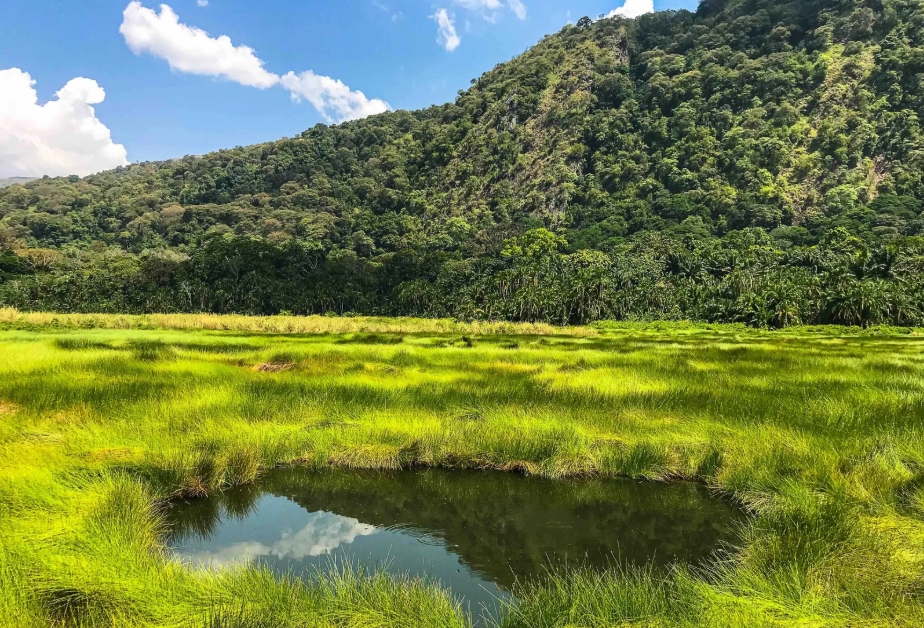
The grey crowned crane lives in dry savannahs in Sub-Saharan Africa but nests in wetter areas. They are found in marshes and grassy lands near water in Uganda, Kenya, and South Africa. They do not have fixed migration patterns and are mostly sedentary, with some local movements in drier regions.
Diet
Crowned cranes are omnivores, consuming plants, seeds, insects, and small animals. They stamp their feet to flush out insects for easy catching and often follow grazing animals like antelopes to find disturbed prey. At night, they sleep in trees to rest.
Behavior
The grey crowned crane performs a breeding display that includes dancing, bowing, and jumping. It makes a booming call by inflating its red gular sac and produces a unique honking sound. Both males and females dance, with young birds also participating.
Breeding
Grey crowned cranes breed at different times depending on their location. In East Africa, they breed all year but most often during dry periods, while in Southern Africa, they breed during the rainy season. During breeding, crane pairs build large nests of grass in wetlands.
The female lays 2-5 dirty-white eggs, which both parents incubate for 28-31 days. Chicks can run immediately after hatching and are independent within 56-100 days. Mature chicks of different sexes leave their parents to form their own families. Cranes gather in large numbers to celebrate, dancing when two chicks marry and start their new life together.
Conservation
The increasing population and poor methods of agricultural practices across Africa have exhausted critical wetland habitats, as several farmers have been forced to transform wetlands to agricultural fields to sustain their growing families and also benefit from the crop yields they need.
Once the wetlands are encroached on, the loss of these breeding habitats not only negatively displaces the endangered grey crowned crane and other wildlife but also negatively affects the region’s water resources. Global organizations such as the International Crane Foundation or Endangered Wildlife Trust Partnership have come up with and implemented innovative remedies for communities to restore habitats for cranes and provide a lasting impact.
Once common throughout Africa, this striking grey crowned crane’s current population is estimated at between 30,000 and 37,000 and has been deteriorating. As human settlement increases, their dependence on wetlands and their resources allows these unique birds to come into more frequent contact with people, animals, and predators such as dogs, resulting in more time watching for potential threats and less time nesting and nurturing or caring for chicks.
Other serious threats for these species include collisions with electric lines, theft of crane eggs for food, capture of cranes for illegal wildlife trade, poisonings, and invasive species.
The life of crane populations is an indicator of the overall health of the wetlands. In healthy wetlands with low agricultural encroachment, cranes have room to breed, leading to an increase in their numbers and improved productivity. Such wetlands are also in good condition to enhance community water requirements.
This can only be achieved, though, if agricultural practices in the surrounding uplands are improved and the resilience of natives to changing climatic, social, and economic conditions is improved.
The partnership’s pioneering approach to conservation starts with community-based conservation and research, first understanding the socioeconomic factors that have attracted people to encroach on wetlands, and then relating with community groups, local governments, and other organizations to find real solutions.
The conservation strategies include everything from improved landscape-level grazing management and sustainable, climate-smart agriculture programs such as vertical organic gardens and enriched buffer zones that restore riparian habitat to combining added livelihood opportunities, avocado and mushroom growing, and beekeeping to securing and protecting freshwater springs that offer clean water to hundreds of families, hospitals, schools, and churches.