Sustainable Tourism in Bwindi
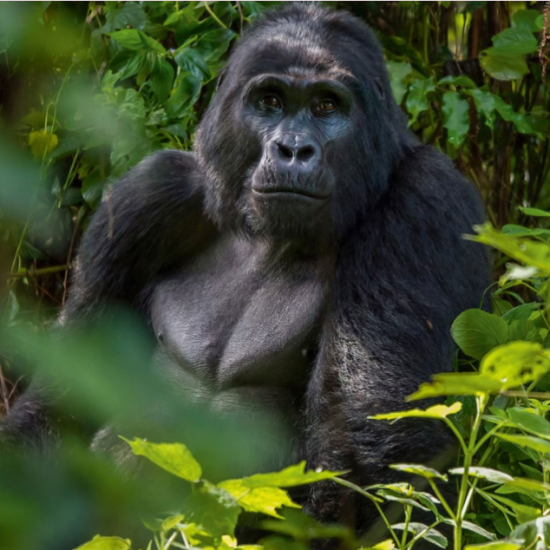
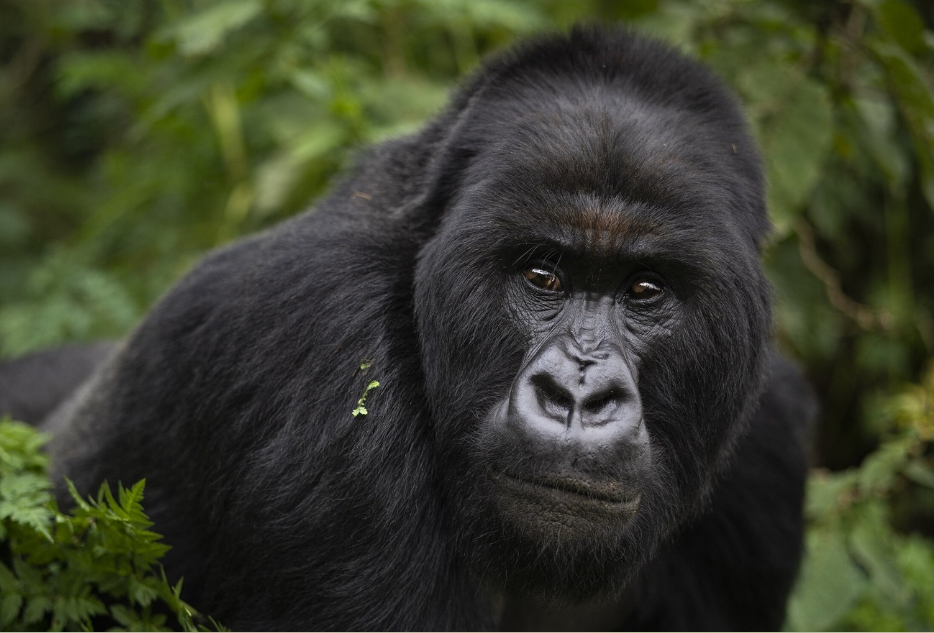
Sustainable Tourism in Bwindi: Based on Dian Fossey’s research and the World Wildlife Fund (WWF), wildlife conservation organisations in all of the East African countries where gorilla trekking occurs, including Rwanda, Uganda, and the Democratic Republic of the Congo, have decided to implement strict rules and regulations limiting tourists’ contact with mountain gorillas as a conservation strategy for sustainable tourism.
When it became apparent that the number of gorillas had drastically decreased to less than 500 individuals due to human activities like poaching, habitat and food encroachment, and human-transmitted diseases, these wildlife conservation organisations implemented stringent rules and regulations.
Gorilla tourism is not an exception to the rule that tourism is a very delicate industry. Due to the growing number of tourists interested in gorilla tourism, particularly gorilla trekking, this activity has become quite restrictive with various ecotourism guidelines and restrictions to mitigate any potential harmful effects of tourists.
For instance, in Bwindi Impenetrable National Park, the number of visitors per day to each habituated gorilla family and the movement of visitors within gorilla parks have been restricted in order to conserve mountain gorillas and promote ecotourism principles. This has preserved the integrity of forests like Bwindi, where gorilla family groups are increasing.
Sustainable Tourism in Bwindi: Regarding ecotourism, it has been observed that only eight visitors from Bwindi are able to spend an hour each day at a distance of seven metres from the gorilla family. Travellers must use a handkerchief or put their heads back when they sneeze as a health precaution to avoid infecting gorillas.
Additionally, flash camera photography is prohibited since it can alter tourists’ behaviour. It is crucial to remember that it is not recommended for visitors to eat, drink, or smoke near mountain gorillas.
In addition to the fact that gorillas are acclimated to humans, human waste must be buried 30 cm below the surface; tourists should refrain from using menacing body language when viewing gorillas.
In order to maintain the stability of the gorilla habitat, visitors are asked not to make campfires, remove leaves from vegetation, or engage in off-tracking or off-trailing activities. This lessens wildlife disturbance, particularly that caused by humans, and keeps the park appealing and in its natural state.
Additionally, the presence of gorilla tourism as a source of income in Bwindi’s fragile Afro montane rain forests guarantees the preservation of these essential habitats, protecting gorillas while also allowing forests to fulfil their ecological functions, such as catching water and supplying natural resources to nearby communities.
Due to awareness and alternative employment, poaching, encroachment through illegal timber cutting, and the collecting of therapeutic herbs have remarkably decreased among those who benefit from revenues. The likelihood of local communities protecting gorillas increases with the amount of money they receive from tourism.
Sustainable Tourism in Bwindi: Therefore, ecotourism, gorilla habitat protection, and mountain gorilla conservation have all significantly increased as a result of governments and conservation organisations supporting the local communities that surround gorilla national parks. This is why tourists are urged to support local tourism endeavours.
In addition to trekking gorillas, tourists can engage in various activities to raise money for the general protection of gorillas and other animals. Experience the African rainforest and wildness at gorilla national parks.
Because of Bwindi’s ecotourism, which strives to save mountain gorillas and their habitats, tourism infrastructures like lodges, hotels, and bandas are built in a way that serves both visitors and locals while protecting the environment.
Most of these facilities are constructed using eco-friendly materials like wood, stones, and grass. Solar energy, biogas, and the recycling of things like metals, plastics, and paper are encouraged in order to reduce waste in and near gorilla habitats.
In conclusion, one strategy for protecting endangered mountain gorillas is ecotourism. Ecotourism guidelines are followed in Bwindi Impenetrable National Park to prevent environmental deterioration.
Sustainable Tourism in Bwindi: It is crucial to remember that several local community stakeholders are involved in ecotourism conservation; without the local community, ecotourism practices are likely to fail. Before even visiting a gorilla’s home, travellers on adventure vacations in Africa are briefed on the aforementioned criteria in order to observe and preserve the destination’s integrity.
In conclusion, one strategy for protecting endangered mountain gorillas is ecotourism. Ecotourism guidelines are followed in Bwindi Impenetrable National Park to prevent environmental deterioration.
It is crucial to remember that several local community stakeholders are involved in ecotourism conservation; without the local community, ecotourism practices are likely to fail. Before even visiting a gorilla’s home, travellers on adventure safaris in Africa are briefed on the aforementioned criteria in order to observe and preserve the destination’s integrity.