Reasons to Visit Kidepo National Park.
Reasons to Visit Kidepo National Park: Kidepo National Park is one of the most spectacular and untouched wilderness destinations in Uganda, located in the remote northeastern corner, bordering Kenya and South Sudan. The park offers an authentic safari experience far from the crowds, suitable for travellers seeking calmness. It’s the third biggest park in the country, covering an area of about 1,442 square kilometres, and it was established as a national park in 1962 after Uganda gained its independence, to protect the big game that existed at that time. It was named after the Kidepo River, which flows through the park to South Sudan for a few hours, leaving a river of sand. Kidepo is famous for its rich biodiversity and stunning views of open savannah grasslands and rolling hills, which add to the park’s beauty.
The park is home to over 79 mammal species, including the 28 species which are endemic to the park, like caracals, cheetahs, greater kudus, dikdiks and more. It’s the second park with the highest number of birds in the country, up to 490 bird species, including the birds found nowhere else in the country, like Ostriches. The park is surrounded by two amazing tribes, the Ik people and the Karamojong. Visiting these communities allows visitors to learn more about their lifestyles and their history.
Reasons to Visit Kidepo National Park.
Rich Biodiversity.
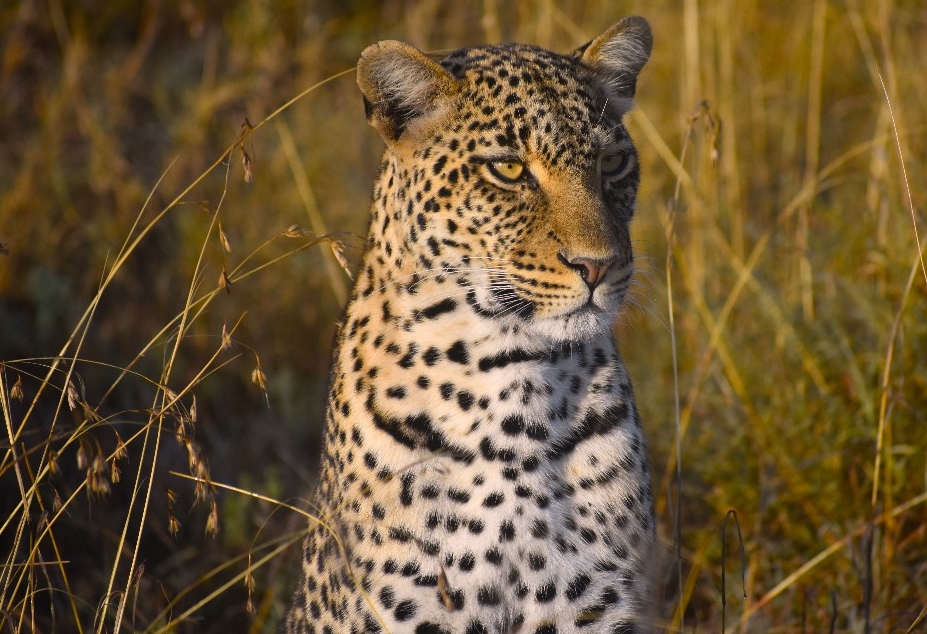
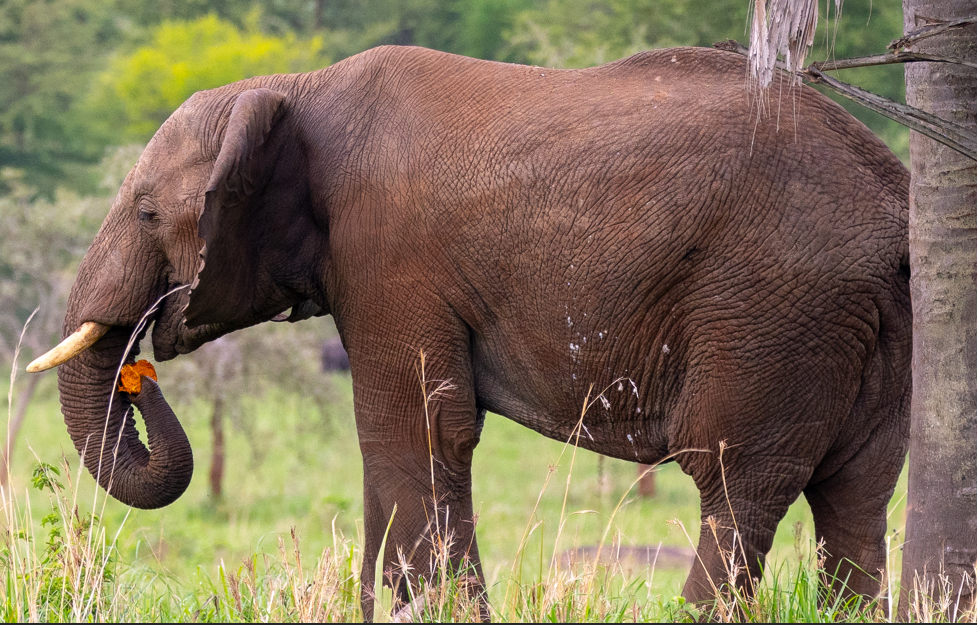
Kidepo Valley National Park is one of the national parks in Uganda with over 80 mammal species, including the African Big Four mammals: lions, elephants, buffalo and leopards. It’s the only place in Uganda where visitors can find cheetahs, the fastest animal in the world, caracals, striped hyenas, aardwolves, Bat-eared foxes, Greater Kudus, Lesser Kudus, Guenther’s Dik-Diks, hunting wild dogs, Klipspringers, Mountain reedbucks, Black-backed jackals, and more. The park also hosts other animals. Others include warthogs, elands, giraffes, civets, porcupines, servals, African wild cat, genets, zebras, oribis, impalas, bohor reedbucks, blue duikers, bush pigs, rock hyrax, African hare, ground squirrel, olive baboons, patas monkeys, black and white colobus monkeys, Aardvark, Nile rat, gerbil, Uganda Kobs, water bucks, bush backs and more. It also hosts up to 490 bird species, including the park’s endemic species like common ostrich. These birds and animals can be seen while on game drives, walking safaris and nature walks. Game drives and nature walks are best done in Narus Valley since they have a high concentration of animals and water sources, which is enjoy through out the year and the Kidepo Valley, which is usually good in the wet season.
Rich Cultural Experiences with the Karamojong.
The rich cultural experiences are one of the best reasons to visit Kidepo Valley National Park. It offers meaningful cultural encounters with the Karamojong people. Visitors can explore traditional manyattas(homesteads), learn about their pastoral lifestyle, witness traditional dances, and understand their deep connection to cattle and land. This cultural interaction adds depth and authenticity to the overall safari experience.
Rich Avian Life.
This is one of the top reasons to visit Kidepo National Park, as it is blessed with over 490 unique bird species. These include the park’s endemic species, migratory birds, water birds and savannah birds. The Narus Valley and Kidepo Valley areas attract a wide variety of raptors and ostriches. Kidepo is one of the best birding destinations in East Africa, attracting hundreds of bird lovers to come and enjoy the beautiful songs and sounds of these unique bird species. These birds include Osprey, Bruce’s Green-Pigeon, Four-banded Sandgrouse, Denham’s Bustard, White-bellied Bustard, Hartlaub’s Bustard, Hamerkop, Pink-backed Pelican, Black-bellied Bustard, Buff-crested Bustard, Great Blue Turaco, White-bellied Go-away-bird, Emerald-spotted Wood-Dove, Jackson’s Hornbill, Spotted Thick-knee, Pied Avocet, Black-winged Stilt, Black-winged Stilt, Black-headed Lapwing, Three-banded Plover, Long-toed Lapwing, Wattled Lapwing, Crowned Lapwing, Spur-winged Lapwing, African Snipe, Green Sandpiper, Curlew Sandpiper, Small Buttonquail, Black-rumped Buttonquail, Bronze-winged Courser, Temminck’s Courser, Gull-billed Tern, Common Hoopoe, Bearded Vulture, European Honey-buzzard, Verreaux’s Eagle, Lesser Spotted Eagle, Wahlberg’s Eagle, Martial Eagle, Martial Eagle, African Hawk-Eagle, Little Ringed Plover, Greater Painted-Snipe, Lesser Jacana, African Jacana, Marsh Sandpiper, Common Sandpiper.