How Many People Can Visit a Semi-habituated family in Kibale
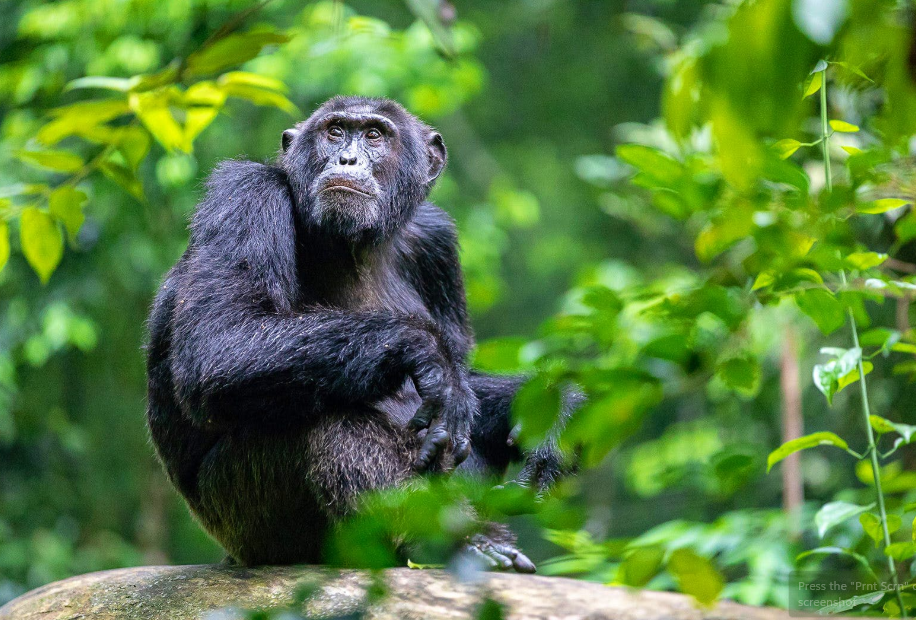
How Many People Can Visit a Semi-habituated family in Kibale: Kibale Forest National Park, located in southwestern Uganda is known for its semi-habituated chimpanzee family. Each day, a maximum of 12 visitors can observe the chimps, split into groups of 6, allowing for a full day of observation. The park has over 1500 chimpanzees, making it home to the largest population in Uganda and Africa. It contains 13 chimpanzee families, with one currently being habituated for better human interaction. Many tourists are curious about the number of participants allowed in this habituation experience, and the article answers their questions.
Group Size Rules for a Semi-habituated family in Kibale
Considering the size rules for a semi habituated family in Kibale Forest National Park, the experience begins with a briefing at the park head quarters or information centre Kanyanchu visitor’s center, where trekkers are divided into groups not exceeding 6 members. The two groups are formed to actively engage in the activity of the semi-habituated chimpanzee family; each group is allocated researchers and armed ranger guides to lead them in the search for the endangered mountain gorillas within the jungle.
These groups take different trekking routes and keep coordinating as they communicate via radios until they spot chimpanzees. In Kibale Forest, a chimpanzee family can reach over 100 plus members, and visitors get to see different chimpanzee members. During morning hours these chimpanzee scatter into smaller groups to begin their day in search for food and then gather in the evening during the nesting period.
Visitors should know that chimpanzee communities are large and do not group together. In Kibale Forest National Park, more than 12 visitors can participate in chimpanzee habituation, while gorilla trekking limits groups to 4 due to smaller family sizes of gorillas.
What is the cost of a chimpanzee habituation permit for Kibale?
How Many People Can Visit a Semi-habituated family in Kibale Forest National Park: To see a chimpanzee family in Kibale Forest National Park during habituation, you need a chimpanzee habituation permit from the Uganda Wildlife Authority or a local tour operator. Costs are $300 for foreign non-residents, $250 for foreign residents, and UGX 250,000 for East African citizens.
Visitors planning for a chimpanzee habituation experience in Kibale Forest National Park should always plan prior and book these habituation permits between 4-5 months in advance to secure your spot. This comes as a result of high demand for these habituation permits making them limited.
Why is the chimpanzee Habituation Permit is Important
Chimpanzee habituation in Kibale Forest National Park happens year-round. To join, you need a chimpanzee habituation permit from the Uganda Wildlife Authority, which you must show at the Kanyanchu visitor’s center before the briefing. The briefing includes the rules and what to expect. A maximum of 12 people can participate, divided into two groups of 6, led by armed ranger guides and researchers. The search for the chimpanzee family takes visitors along various trails to their food sources.
The search for a chimpanzee family may take 2-6 hours. Once found, trekkers will spend most of the day observing and interacting with the chimpanzees, studying their behaviors like hunting and grooming. Activities include photography, learning about habits, and watching chimpanzees during feeding and playtime to help them adapt to humans.
Where to stay in Kibale Forest National Park
Travellers looking to enjoy adventure activities in Kibale can find various accommodation options that ensure comfort and tranquility. These include luxury, midrange, and budget choices like Chimpundu Safari Lodge, Kibale Forest Lodge, and Kibale Capital Lodge, among others.
What is the best time to visit Kibale Forest National Park?
How Many People Can Visit a Semi-habituated family in Kibale: Kibale Forest National Park can be visited all year round, although some months are better than others. The best times for chimpanzee habituation are during the dry months, which run from May to early September and from December to February, offer the best time for chimpanzee habituation experiences.
These months tend to have little rainfall, making roads connecting to the park dry, clear skies, and good visibility for photography, especially for birders. Visitors can also go during the rainy season, which runs from March to June and September to November, but these months receive heavy rains which makes roads muddy, slick and slippery, the vegetation is thick and tall which tend to block clear views of wildlife species.