Hiking in Nyungwe Forest National Park.
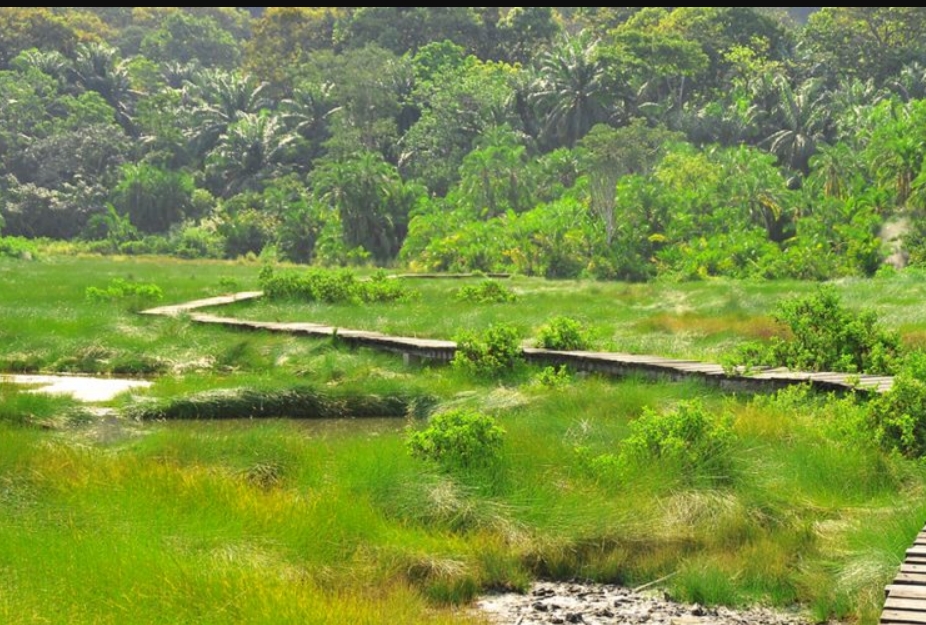
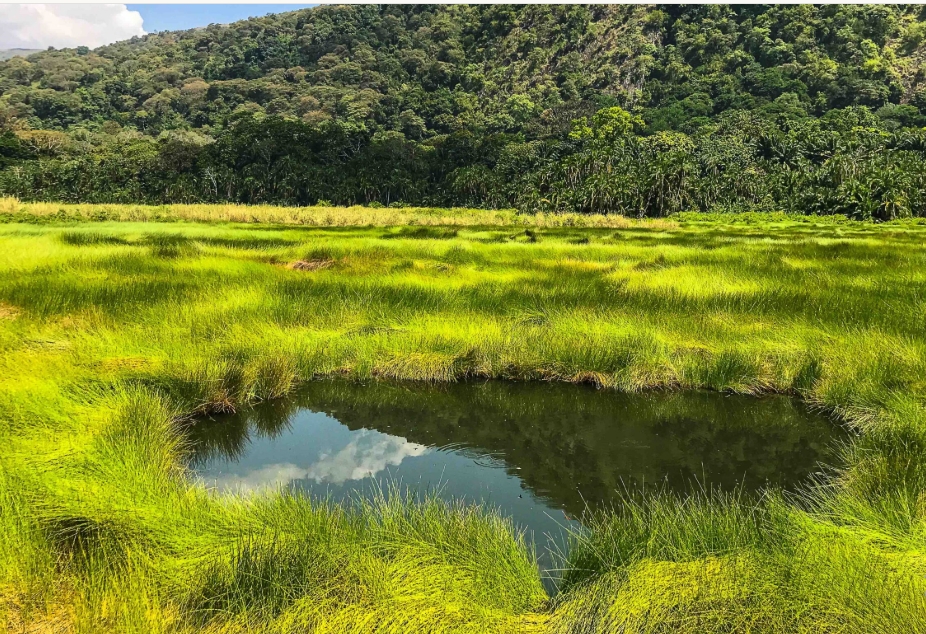
Hiking in Nyungwe Forest National Park is a unique activity that allows nature enthusiasts to explore the beauty of the park on foot. Nyungwe National Park is one of Rwanda’s premier destinations, favored by travelers seeking to experience the country’s rich biodiversity. It offers stunning views of tropical rainforests and is home to over 600 chimpanzees, making it the park with the second-highest number of these primates after Kibale National Park in Uganda.
Additionally, Nyungwe is home to more than 320 bird species, including over 25 species that are endemic to the Rift Valley. The park boasts a variety of tree species, butterflies, mammals, and other primates, all contributing to its uniqueness.
The park has well-maintained hiking trails that cater to a range of experience levels, from simple to more challenging hikes. Each trail provides a memorable experience, allowing visitors to embrace the beautiful scenery of the forest and its inhabitants. If you’re an adventurous traveler who loves hiking, then exploring Nyungwe Forest National Park should definitely be on your bucket list.
Hiking Experience in Nyungwe National Park.
Hiking in Nyungwe Forest begins with a briefing about the activity and the opportunity to meet your experienced park guide. These knowledgeable guides will lead you through your hiking safari, providing insights about the animal species, bird species, primates, and reptiles you may encounter along the way. Nyungwe Forest National Park features over 12 hiking trails that cater to all fitness levels and hiking experiences. Hiking enthusiasts can choose from various trails, such as the Igishigishigi Trail, one of the shortest at 2.1 km. This trail offers stunning views of the forest and leads to the canopy walk, allowing visitors to experience the park from above. This popular trail attracts visitors from around the globe and typically takes around three hours to complete hiking in Nyungwe Forest National Park .
Another option is the Umuyove Trail, also known as the Mahogany Trail, which stretches about 5.5 km and takes approximately 3.5 hours to complete. This trail showcases beautiful views of waterfalls, orchids, birds, and towering mahogany trees. If you’re looking for a longer hike, the Uwinka Trail spans about 17 km and takes roughly eight hours to complete. This trail leads you through the dense forest, featuring large trees, diverse wildlife, and numerous bird species. It is also the starting point for chimpanzee trekking.
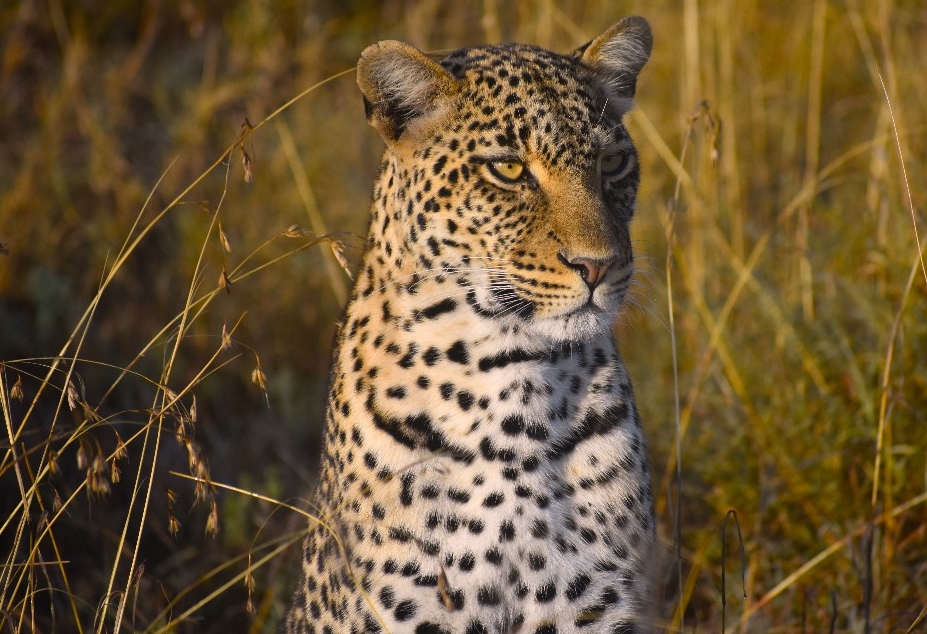
The Irebero Trail, also known as the viewpoint trail, is about 3.4 km long and takes about three hours to finish. This trail provides excellent views of Rwanda’s borders and Lake Kivu, making it a great spot for bird watching. No matter which trail you choose, each offers an incredible opportunity to experience the dense forest up close. You’ll likely encounter various wildlife inhabitants, including chimpanzees, Mona monkeys, Blue monkeys, and a variety of butterfly species, providing you with an unforgettable African safari experience of hiking in Nyungwe Forest National Park.
What to Pack while on your Hiking Safari in Nyungwe Forest National Park.
If you are planning a hiking safari in Nyungwe Forest National Park and wondering what to pack for your adventure, there are several essentials to consider. Nyungwe is a tropical rainforest that can experience rainfall at any time of day, so it’s important to be prepared. Make sure to pack waterproof hiking boots, long-sleeved shirts and trousers in neutral colors, and a rain jacket. A wide-brimmed hat and insect repellent are also recommended. Don’t forget to bring a water bottle, binoculars, a pair of gloves, and a camera with extra batteries you won’t want to miss capturing the beautiful scenery. Being well equipped will help you fully enjoy your hiking experience in Nyungwe Forest.
Best time to do Hiking in Nyungwe.
Nyungwe Forest National Park is open year-round for hiking safaris. The best time for hiking is during the dry season, which typically spans from December to February and from June to September. During this peak season, there is little to no rainfall in the park, resulting in dry hiking trails. This makes the hiking experience easier and more enjoyable, as you can encounter various wildlife species at the waterfalls and rivers that gather water.