Exploring The Beauty of River Semuliki
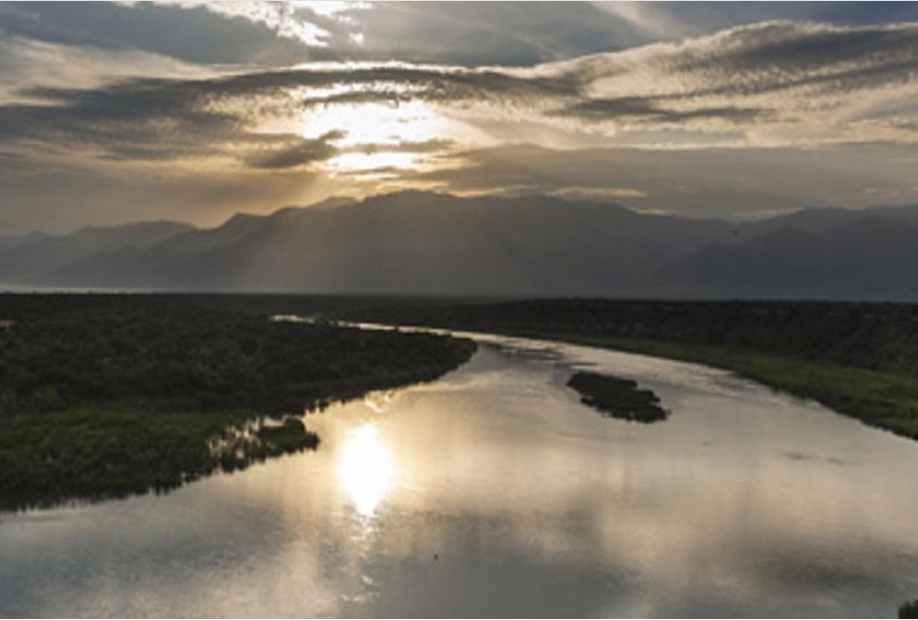
Exploring The Beauty of River Semuliki: River Semuliki is one of the scenic rivers in western Uganda. This river gets its name from Semuliki National Park, which is situated in the Bundibugyo region between the borders of Uganda and the Democratic Republic of the Congo. The 140-kilometer river empties into Lake Albert after leaving Lake Edward and avoiding the Rwenzori. The western Ugandan settlement of Katolingo, Kanara sub-county, Ntoroko district, is home to the mouth of the River Semuliki.
The river is situated in the western rift valley that connects Lake Edward and Lake Albert. A section of the Semuliki River flows through the Democratic Republic of the Congo on its way from Ishango on Lake Edward to Lake Albert. On the border between Uganda and the Democratic Republic of the Congo, Lake Albert, also known as Albert Nyanza, is situated at the end of the western rift valley.
Eventually, the river serves as the border between the Democratic Republic of the Congo and Uganda. The border between Uganda and the Democratic Republic of the Congo is formed by the Semuliki River, which exits Virunga National Park and flows along Semuliki National Park’s western edge. The Uganda-DR Congo border is said to constantly shift due to bank erosion, particularly during floods.
The river’s meandering path has changed as a result of bank erosion brought on by the increased snowmelt on Mountain Rwenzori. Erosion causes the river to lose 10 metres of land annually. Thousands of people were forced to flee their homes as the River Semliki’s banks burst in May 2023. Rwebisengo, Kayanja, Kiraga, Masaka, Budiba, and Bweramule were among the settlements impacted by the water. People were forced to move from their homes to the nearby communities resulting from severe floods.
The riverbanks continue to be a source of importance for the local communities, where they graze their cattle and obtain water for their crops and household purposes, even though the Semuliki River overflowed and many people avoided it as a result. The people who benefit from it are the Bakonjo and Bamba, who live in the areas where the river flows.
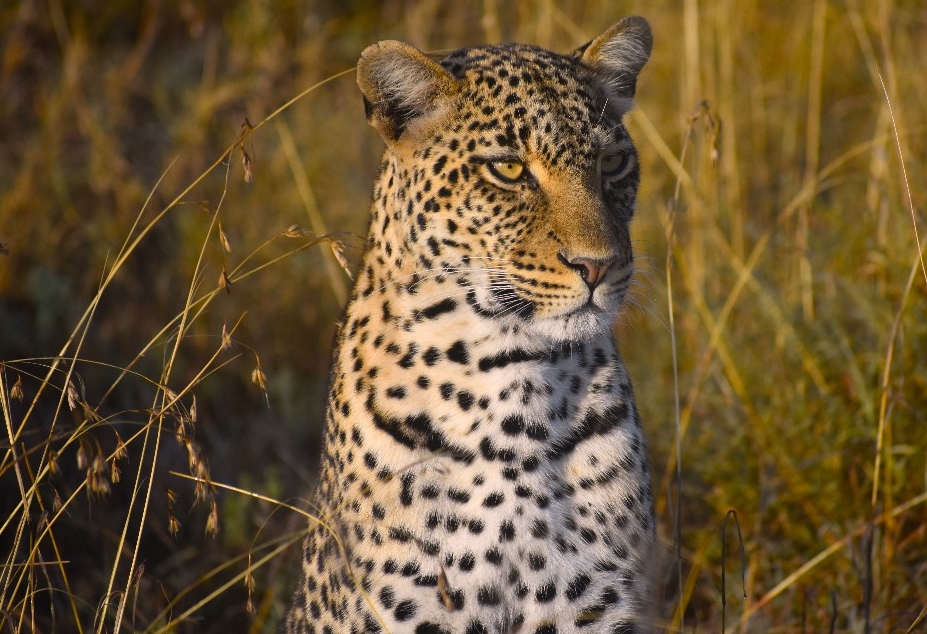
Various aquatic species, including fish, crocodiles, hippos, and many more, seek refugee in the river. Both wild and domestic animals that live in the nearby national parks, Semuliki National Park, Virunga National Park, and Rwenzori National Park on the Ugandan side, also get their water from the river. Animals and birds use the diverse vegetation that surrounds the river as a habitat and food source.
Exploring The Beauty of River Semuliki: Several aquatic animals, including fish, crocodiles, hippos, and many more, have a home in the river. The animals that live in the nearby national parks, Semuliki National Park, Virunga National Park, and Rwenzori National Park on the Ugandan side, also get their water from the river. Animals and birds use the diverse vegetation that surrounds the river as a habitat and food source.
Visits who visit Semuliki National Park on the Ugandan side will view or carry out some of the activities that take place on this river. Sempaya Hot Springs, the park’s female hot springs, are located close to the Semuliki River in Semuliki National Park. Boat ride is done on the river, particularly by birders who want to see the many water birds dwelling in the greenery that is located on the riverbanks.
In Semuliki National Park, it costs $100 for foreign visitors, $80 for foreign residents, and UGX 100,000 for East African citizens to see the Shoebill from a boat. In addition to the Shoebill, other bird species that can be seen include piping hornbill, forest ground thrush, white-crested hornbill, sassi’s olive greenbul, long-tailed hawk, lyre-tailed honeyguide, and Oberlander’s ground thrush.
The animals of Semuliki National Park, such as the forest buffaloes, warthogs, hippos, sitatungas, monkeys, forest elephants, duikers, and many more, rely on the vegetation surrounding the River Semuliki for food and water. Travellers are drawn to the Semuliki River by its biodiversity, which includes primates, animals, and birds
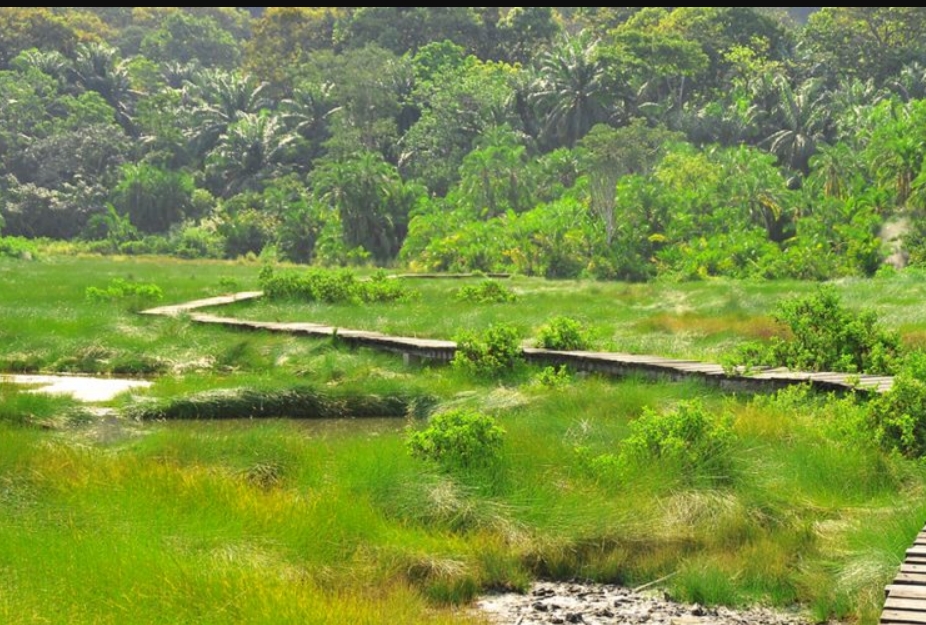
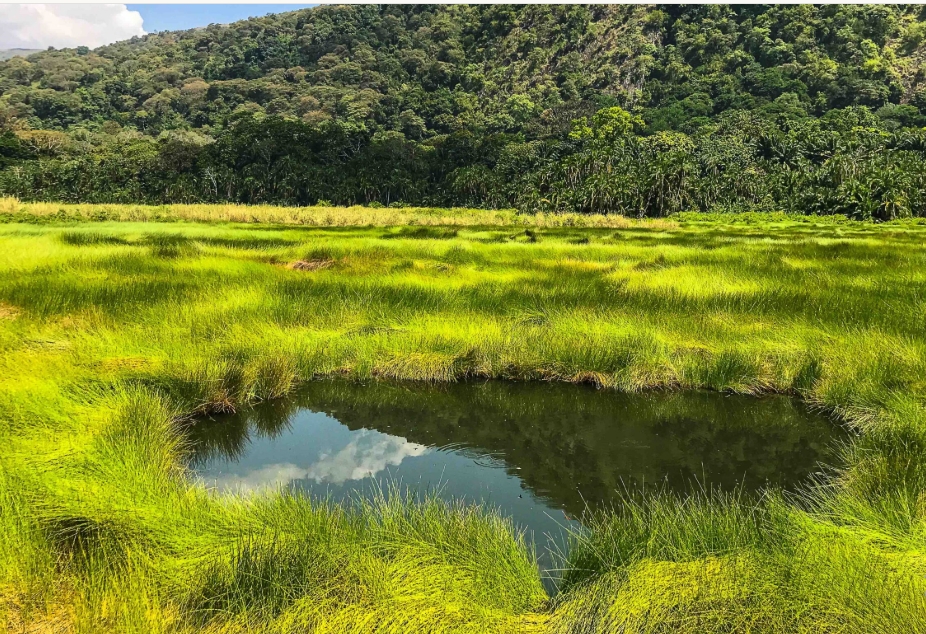
In conclusion, Uganda’s tourism industry benefits greatly from the Semuliki River. This river has contributed to the flourishing of lowland tropical forests, marshes, animals, birds, and much more. The Bundibugyo region of Semuliki National Park in western Uganda attracts tourists for these reasons.