Exploring Bwamba Forest in Semuliki
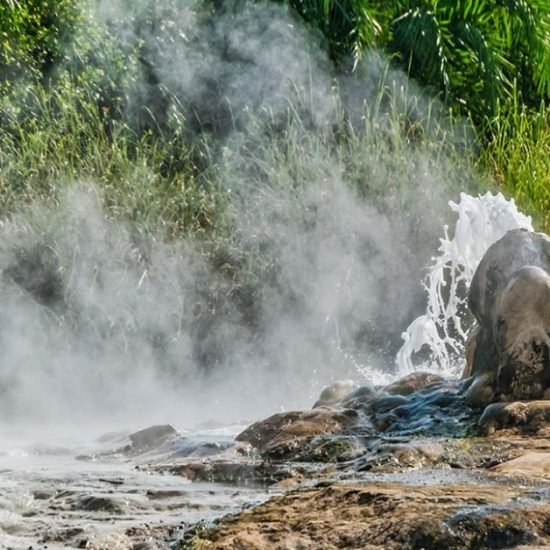
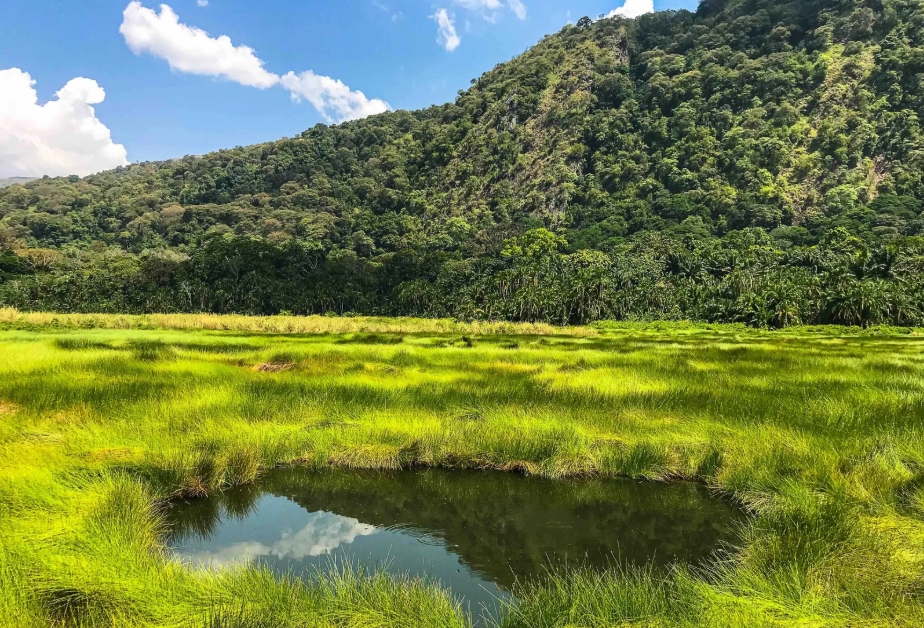
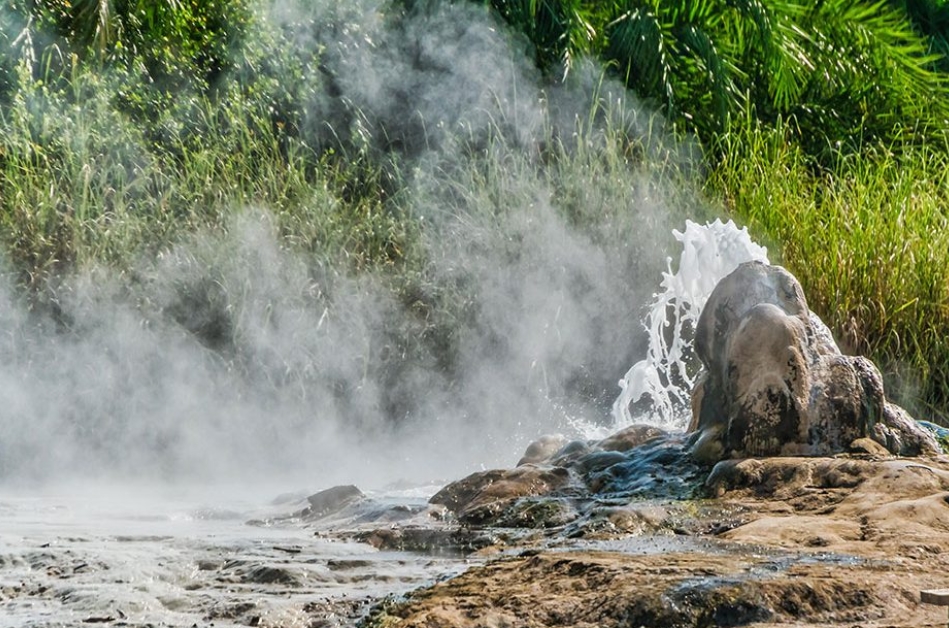
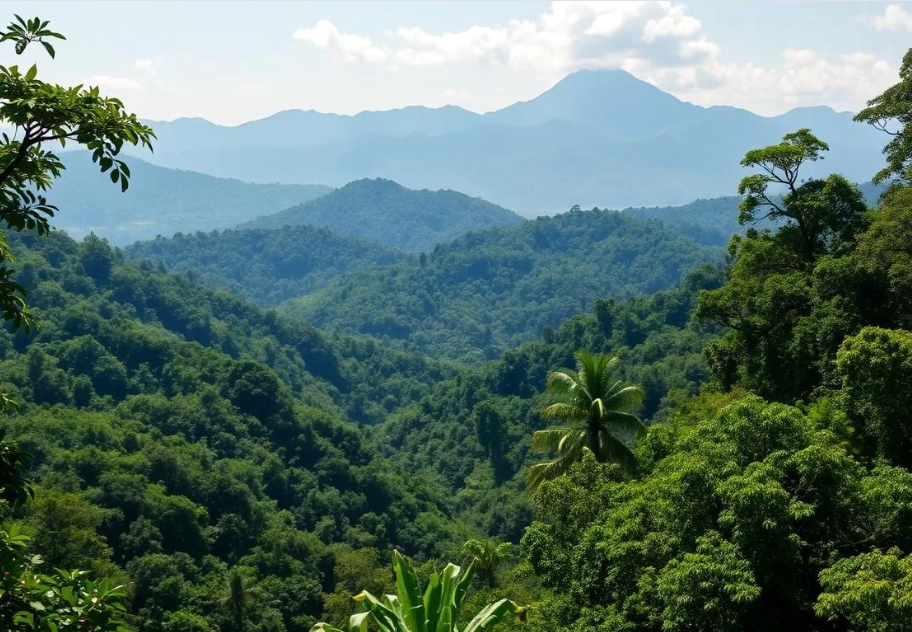
Exploring Bwamba Forest in Semuliki: Bwamba Forest is one of the outstanding tropical rain forests found with the premises of Semuliki National Park. This unique forest forms the only lowland tropical rain forest in East Africa situated situated in Semuliki National Park in Bundibugyo District in the western part of Uganda.
Several bird species may be found in Bwamba Forest, which is also home to several of the animals found in Semuliki National Park. On a safari to Semuliki national park, tourists can visit Bwamba woodland while carrying out numerous tourism activities carried out immediately inside the park. The region that was designated as a Semuliki game reserve in 1932 included Bwamba Forest. Bwamba Forest was gazetted by the government in 1993 along with the park, and it is now a part of Semuliki National Park. Semuliki national park covers a total area of 220 sq. km and the government is trying so hard to protect this small piece of land.
When on a safari in Semuliki National Park, visitors can visit the park’s Bwamba Forest and participate in various activities there. Visitors have a list of things to do when they visit the forest because it is home to a variety of wildlife species and vegetation. The most popular activities in Semuliki National Park’s Bwamba Forest are listed below.
Top Activities to do in Bwamba Forest in Semuliki National Park
Bird watching
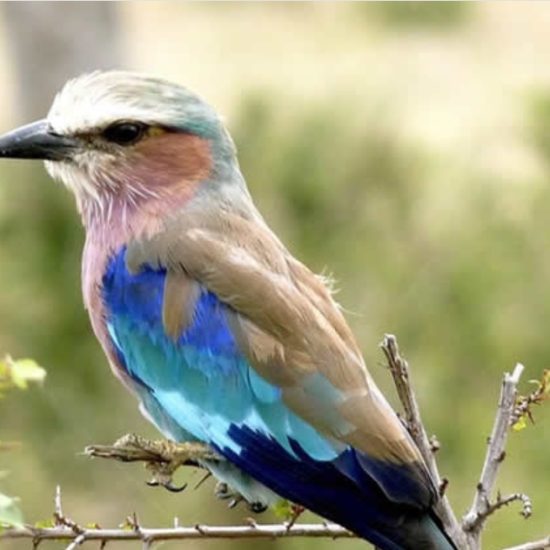
Exploring Bwamba Forest in Semuliki: Since Bwamba Forest is so close to Semuliki National Park, bird watchers frequently go there. A number of bird species have been identified in this woodland, and visitors that walk around the region will have a better chance of seeing them. You can see as many different bird species as you can when touring Bwamba Forest with a local birding guide or skilled birder.
Blue-headed coucal, shoebill, yellow-throated cuckoo, Klaas’s cuckoo, yellow-throated tinkerbird, little greenbul, brown-chested alethe, hairy-breasted barbet, African grey parrot, grey-crowned crane, African palm swift, wahlberg’s eagle, mountain buzzard, brown snake eagle, white-throated blue swallow, black-winged stilt, African sacred ibis, white-crested hornbill, red-chested cuckoo, and Ayres’s hawk eagle can all be seen in the Bwamba forest.
Lizard buzzard, red billed dwarf hornbill, Common sandpiper, blue spotted wood dove, African pied hornbill, blue cheeked bee eater, barn swallow, lesser stripped swallow, little egret, African woolly necked stork, white spotted flufftail, green white eye, white thighed hornbill, spur winged Lawping, grey kestrel, piping hornbill, African harrier hawk, shinning blue kingfisher, grey headed sunbird, long crested eagle, bronze naped pigeon, yellow billed stork yellow breasted forest robin, chocolate backed kingfisher, olive sunbird.
Blue throated roller, grey headed kingfisher, white bellied kingfisher, wood sandpiper, African pygmy king fisher, black and white casqued hornbill, black billed barbet, northern grey headed sparrow, golden crowned woodpecker, splendid starling, speckled tinkerbird, black bee eater, black casqued hornbill, rufous flycatcher thrush, Fire crested alethe, yellow whiskered greenbul, violet backed starling, rufous flycatcher thrush, Scarlet Chested Sunbird, Mackinnon’s shrike.
Rufous side broadbill, Woodland kingfisher, joyful greenbul, Little bee eater, olive bellied sunbird, African wood owl, yellow billed barbet, red tailed greenbul, green white eye, white naped pigeon, xavier’s greenbul, palmnut vulture, red tailed ant thrush, rameron pigeon, red rumped tinkerbird, lesser bristlebill, western nicator, yellow footed flycatcher, little stint, African thrush, grey backed fiscal, African dwarf kingfisher, cattle egret, red tailed bristlebill, and purple headed starling to mention but a few.
Nature walks
By participating in nature walk activities, visitors may get up close and personal with wildlife at Bwamba Forest. For the park’s security, armed ranger guides lead the nature hikes. Here, visitors can access most parts of the forest via a variety of trails. Visitors can encounter a variety of animals, plants, and water sources while on nature hikes.
Grey-cheeked mangabey, forest elephants, Semuliki red colobus, mantled guereza, red-tailed monkey, de Brazza’s monkey, blue monkey, olive baboon, bush squirrel, Uganda kob, bat, side stripped jackal, sitatunga, and warthog are just a few of the animals that visitors can see while taking nature walks in Bwamba forest.
Best Time to visit Bwamba forest
ravellers can explore Bwamba Forest whenever they like while on a safari in Semuliki National Park. The forest is open for a variety of activities all year long, but the dry season is ideal because it makes the hiking pathways navigable and dry. During the months of June through September and December through February, there is also little vegetation and excellent vistas of wildlife.