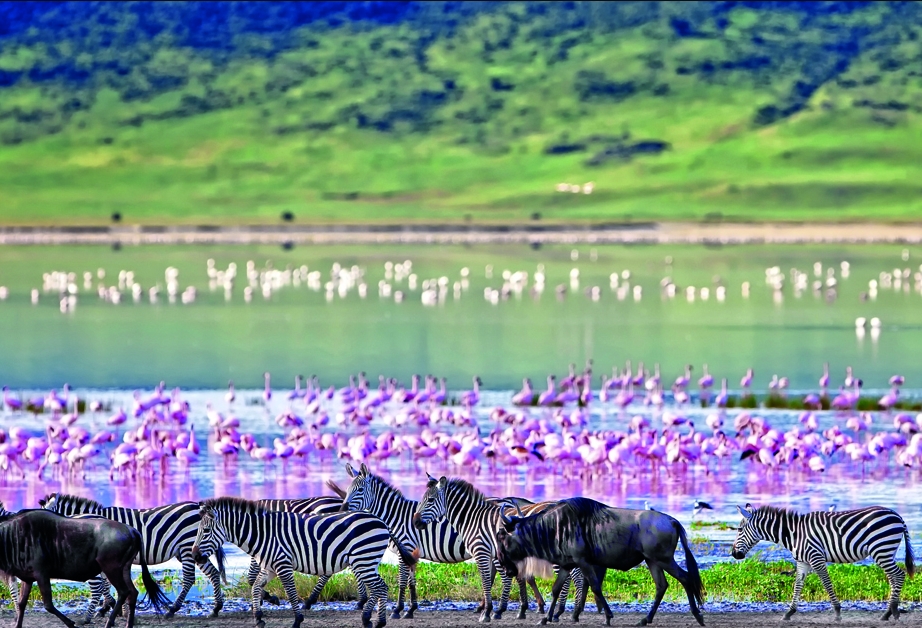
Birding Safaris in Ngorongoro Crater.
Birding safaris in the Ngorongoro Crater offer bird enthusiasts and ornithologists incredible opportunities to see various unique bird species in their natural habitats. It is celebrated for hosting the highest number of bird species in Tanzania, which attracts thousands of travellers to enjoy their sweet, melodic songs and sounds. Ngorongoro is located in the northern part of Tanzania within the Ngorongoro Conservation Area, about a 3- to 4-hour drive from Arusha. It has a mix of ecosystems which provide habitats for various bird species, such as wetlands, woodlands, savannah grasslands, tropical forests, lakes and highlands. It is blessed with over 550 bird species, including savannah birds, forest birds, migratory birds, endemic species and water birds. Some of these birds are rare to find elsewhere. Bird safaris are led by a knowledgeable birder who identifies birds and provides more insights about their behaviours. Birding is best done in the morning hours and late afternoon hours when birds are more active and allows photographers to capture stunning pictures of unique birds. There are various spots which are suitable for bird watching, and all provide excellent chances of encountering countless birds, such as the crater floor, Lake Magadi, among others.
Bird Species to See on Birding Safaris in Ngorongoro Crater.
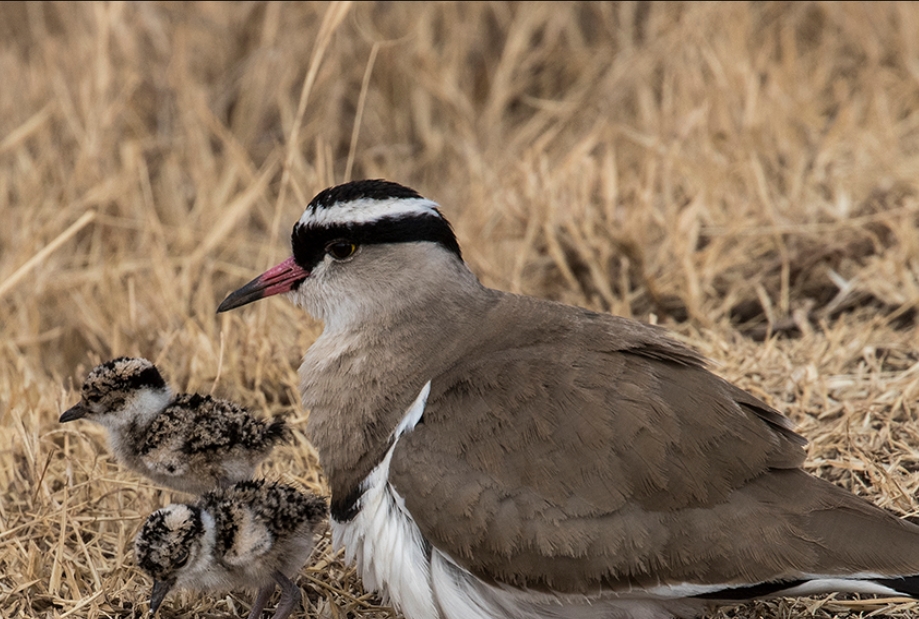
Birders will be delighted by the hundreds of bird species that call this awesome place home, including forest birds, water birds, migratory birds, and savannah birds. The birds to encounter include Kori Bustard , Secretary bird , Common Ostrich, Osprey , White-faced Whistling-Duck, Fulvous Whistling-Duck, White-backed Duck, Knob-billed Duck, Egyptian Goose, African Pygmy-Goose, Garganey, Blue-billed Teal, Cape Shoveler, Northern Shoveler, Gadwall, Eurasian Wigeon, African Black Duck, Yellow-billed Duck, Red-billed Duck, Southern Pochard, Maccoa Duck, Helmeted Guineafowl, Vulturine Guineafowl, Eastern Crested Guineafowl, Coqui Francolin, Shelley’s Francolin, Common Quail, Harlequin Quail, Hildebrandt’s Spurfowl, Scaly Spurfowl, Gray-breasted Spurfowl, Speckled Pigeon, Eastern Bronze-naped Pigeon, Lemon Dove, Dusky Turtle-Dove, Mourning Collared-Dove, Red-eyed Dove, Ring-necked Dove, Laughing Dove, Emerald-spotted Wood-Dove, Blue-spotted Wood-Dove, Tambourine Dove, Namaqua Dove, African Green-Pigeon, Chestnut-bellied Sandgrouse, Yellow-throated Sandgrouse, Black-faced Sandgrouse, Denham’s Bustard, White-bellied Bustard, Buff-crested Bustard, Black-bellied Bustard, Hartlaub’s Bustard, Bare-faced Go-away-bird, White-bellied Go-away-bird, Eastern Plantain-eater, Purple-crested Turaco, Schalow’s Turaco, Hartlaub’s Turaco, White-browed Coucal, Black Coucal, Green Malkoha, Great Spotted Cuckoo, Pied Cuckoo, Dideric Cuckoo, Klaas’s Cuckoo, African Emerald Cuckoo, Black Cuckoo, Red-chested Cuckoo, African Cuckoo, Pennant-winged Nightjar, Eurasian Nightjar, Donaldson Smith’s Nightjar, Donaldson Smith’s Nightjar, Fiery-necked Nightjar, Montane Nightjar, Plain Nightjar, Freckled Nightjar, Slender-tailed Nightjar, Square-tailed Nightjar, Mottled Spinetail, Scarce Swift, Alpine Swift, Mottled Swift, Common Swift, Nyanza Swift, Little Swift, White-rumped Swift, Buff-spotted Flufftail, Red-chested Flufftail, Striped Flufftail, African Rail, Corn Crake, African Crake, Lesser Moorhen, Eurasian Moorhen, Red-knobbed Coot, Allen’s Gallinule, African Swamphen, Baillon’s Crake, African Finfoot.
Best Time to go for Birding Safaris in Ngorongoro.
You can visit the Ngorongoro Conservation Area year-round, though some months are better than others. It has two seasons: the dry season and the wet season. Both seasons offer unique bird watching experiences to travellers visiting the park. The wet season is the most loved season by birders, which is from March to May and October to November. During these months, the park receives enough rainfall; trees and plant species bear fruit, which attracts migratory birds to the park, which fly from Asia and Europe in search of good weather conditions and food. Birds don’t move deep into the park in search of food, as the park always has enough food. Travellers should be aware that during this season, the park is always muddy, which makes it challenging to penetrate. Birders can also do birding in the dry season, which is from June to September and December to February. During this period, the park receives little to no rainfall, and it’s less muddy, making it easy to search for birds for food. However, birds move deep in this season in search of food.