Birding Photography Safaris in Bwindi Forest National Park.
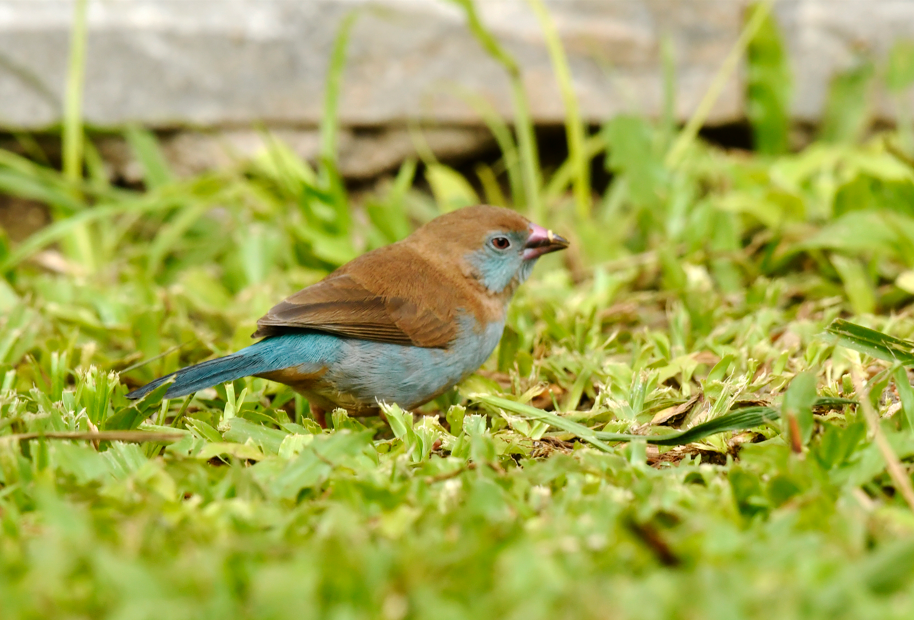
Birding photography safaris in Bwindi Forest National Park give a unique chance to explore one of the best bird watching destinations in Africa while capturing stunning images of rare and endemic bird species. It’s located in the southwestern part of Uganda, celebrated for not only hosting 50% of the world’s population of the endangered mountain gorillas but also for its rich bird life. The park is home to more than 350 bird species, including several rare and endemic birds of the Albertine Rift, making it a dream destination for birdwatchers and photography enthusiasts. Birds found in the park include water birds, forest birds, migratory birds, 27 Albertine Rift endemics and the park’s endemic species, which are rare to find anywhere else.
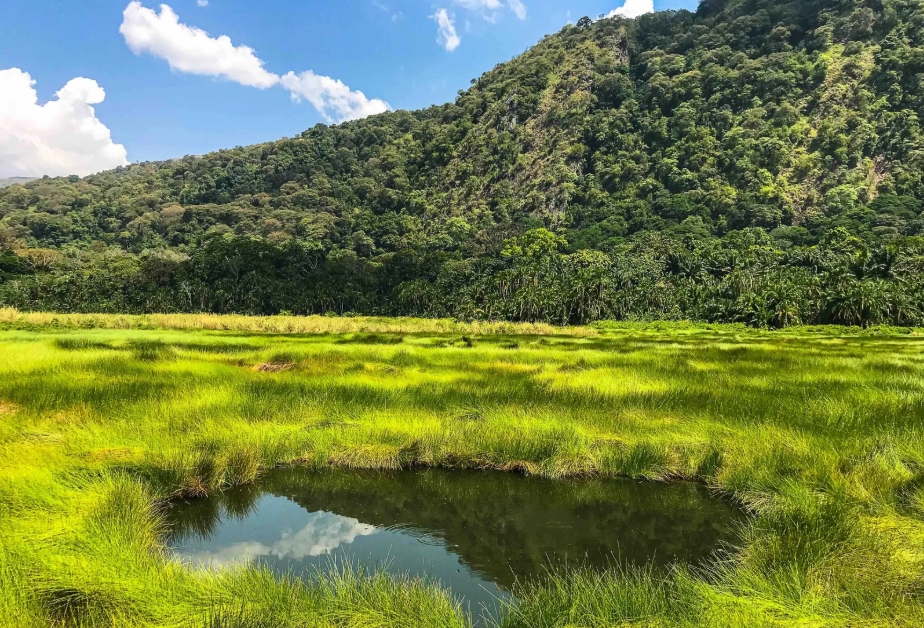
The park’s rich avian life is supported by its diverse ecosystems, which provide habitats to various bird species such as wetlands, tropical rainforests, and woodlands. Birding photography safaris in the park are best done in the morning or late afternoon hours when birds are beginning their daily activities or concluding their daily activities, which provide excellent chances of capturing good shots. This is a guided activity led by an experienced park birder, who identifies various bird species encountered and gives more insights about the bird species encountered. Whether you are an experienced photographer or a beginner, birding safaris in Bwindi Forest National Park promise exceptional photography experiences in Africa’s best birding destination.
Birds to Encounter on Birding Photography in Bwindi Forest National Park.
Bwindi Forest National Park is a paradise for birding photographers; they will be delighted to photograph hundreds of bird species calling this awesome park home. These include forest birds, 27 Albertine Rift endemics, migratory birds, forest birds, water birds and the park’s residents. The birds to encounter on a safari in the park include Great Blue Turaco, Speckled Tinkerbird, Purple-breasted Sunbird, African Wood Owl, Kivu Ground Thrush, African Thrush, Red-faced Woodland Warbler, Grauer’s Warbler, Strange Weaver, Olive Sunbird, Hairy-breasted Barbet, Western Green Tinkerbird, African Grey Woodpecker, Cardinal Woodpecker, Black-throated Apalis Chestnut-throated Apalis, White-tailed Blue Flycatcher, Archer’s Robin-Chat, Cinnamon-chested Bee-eater, Regal Sunbird, Collared Sunbird, Handsome Francolin, Rwenzori Batis, Ross’s Turaco, Bar-tailed Trogon, Rwenzori Robin, Mountain Masked Apalis, Collared Apalis, Tambourine Dove, Mountain Thrush, Black-billed Turaco, Grey-winged Robin-Chat, Equatorial Akalat, African Emerald Cuckoo, Klaas’s Cuckoo, Yellow-rumped Tinkerbir, Yellow-spotted Barbet, yellow-fronted canary, dusky twin spot, European honey buzzard, MacKinnon’s shrike, grey wagtail, crested guinea fowl, barred long-tailed cuckoo, pink-footed puff back, grey-crowned crane, African olive-pigeon, Willcocks honey guide, black swift, dwarf honeyguide, scarce swift, Archer’s Robin-chat, Pin-tailed whydah, grosbeak weaver, stuhlmann’s starling, red knobbed coot, Hottentot teal, African Golden-breasted Bunting, olive-breasted greenbul, giant kingfisher, Lagden’s Bush Shrike, Carruthers cisticola, petit’s cuckoo-shrike, Jameson’s Antpecker, African flycatcher-chat, woolly necked stork, banded prinia, red chested fluff tail, little grebeAfrican goshawk, Mountain Wag Tail and grey-checked hornbill and Little Grebe, Oriole Finch, African wood-owl, waller’s starling, Rwenzori batis, blue-spotted wood dove, tambourine dove, Cassin’s flycatcher, Ansorge’s greenbul, white-throated greenbul, snowy-crowned robin-chat, cape wagtail, mountain wagtail, and more.
What to Pack for Birding Photography Safaris in the Park.
Photographers planning their birding photography safaris in Bwindi Forest National Park should pack the necessary items to enable the have unforgettable photography safaris in the park. Travellers should consider packing a camera with a telephoto lens(300mm-600mm) for capturing distant birds, extra batteries, memory cards, binoculars, tripods, a waterproof backpack, and a rain cover to protect their equipment from unexpected rainfall. Don’t forget to carry comfortable waterproof hiking shoes, a rain jacket, insect repellent, sunscreen, a water bottle, a brimmed hat, a birding checklist, a power bank for charging devices, a headlamp, lightweight, long-sleeved shirts and trousers, and energy snacks.
Best Time to do photography in Bwindi.
Photographers can come for birding photography safaris in Bwindi Forest National Park at any time of the year; however, some months are better than others. The park receives two seasons: the dry season and the wet season. The wet season is the most preferred period by birders, which is from October to November and March to May. During this season, the park receives enough rainfall, plants and tree species bear fruit, which provides enough food to birds in the park. It’s this period when migratory birds come to the park, running away from the harsh weather conditions in Europe and Asia.
Since the park has enough food, birds don’t move deep in the forest in search of food, and this is the breeding season for most birds in the park, which makes spotting them easy, and photographers have great chances of capturing many bird species. Birders should note that during this period, the park is muddy and slippery, making it hard to penetrate. Birding can also be done in the dry season, which runs from June to September and from December to February. During this period, the park receives little to no rainfall, the trails are less muddy and slippery, making it easy to penetrate.