Birding Photography in Ngorongoro Conservation Area.
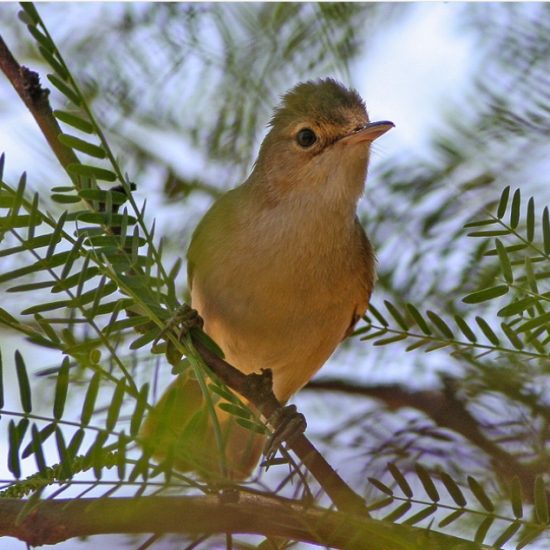
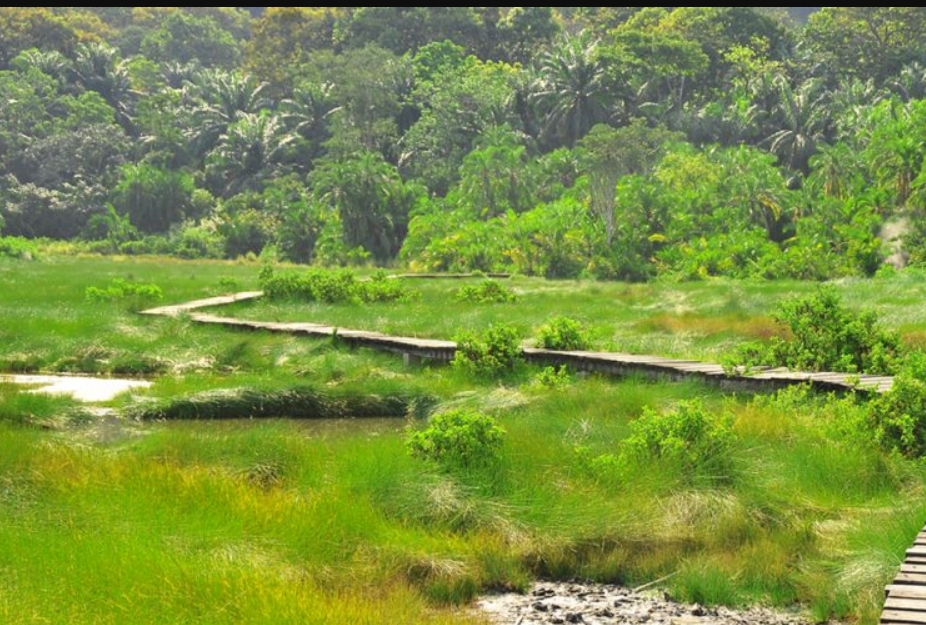
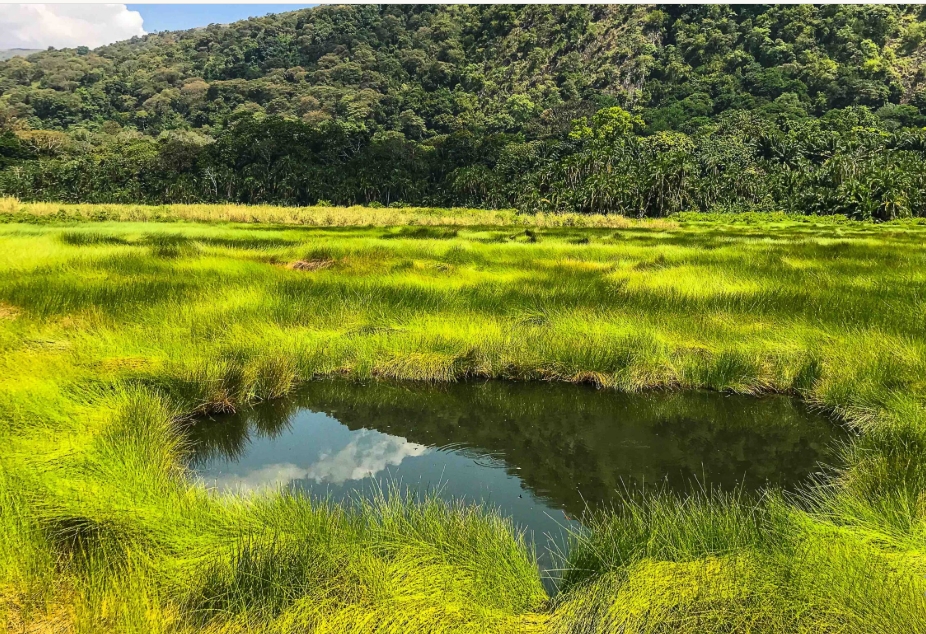
Birding Photography in the Ngorongoro Conservation Area offers nature photographers and bird enthusiasts an exceptional opportunity to capture some of Tanzania’s unique bird species in their natural habitats. It is situated in the northern part of the country, neighbouring Serengeti National Park to the southeast. It is famous for its rich birdlife, which attracts thousands of photographers to take unique shots of various birds and tell a story about its unique bird species through the lens. Ngorongoro is blessed with a mix of ecosystems which provide habitats to various bird species, such as woodlands, highlands, lakes, savannah grasslands, tropical forests, and wetlands.
It is home to more than 550 bird species, which provide excellent chances to capture stunning images of countless species such as forest birds, water birds, migratory birds, savannah birds and residents which are rare to find anywhere else. There are different spots which are used for birding; all provide exceptional chances of encountering various bird species, such as Lake Magadi, which is best for photographing water birds, Ngorongoro Crater Rim Forest, Ngorongoro Crater Grasslands, and Ndutu attracts migratory bird species. Whether you are an experienced photographer or simply a beginner, Ngorongoro promises unforgettable photography experiences for all photographers.
Birds to Encounter for Birding Photography in Ngorongoro Conservation Area.
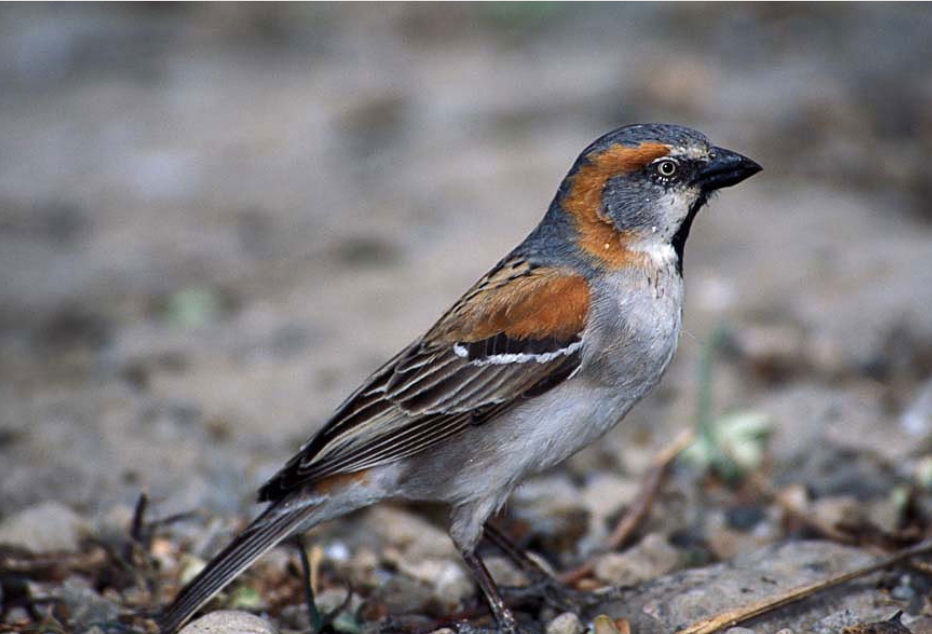
Photographers will find Ngorongoro a paradise for bird watching, with over 550 bird species that call this awesome place home. Some of the colourful bird species to capture includeKori Bustard , Secretary bird , Common Ostrich, Osprey , White-faced Whistling-Duck, Fulvous Whistling-Duck, White-backed Duck, Knob-billed Duck, Egyptian Goose, African Pygmy-Goose, Garganey, Blue-billed Teal, Cape Shoveler, Northern Shoveler, Gadwall, Eurasian Wigeon, African Black Duck, Yellow-billed Duck, Red-billed Duck, Southern Pochard, Maccoa Duck, Helmeted Guineafowl, Vulturine Guineafowl, Eastern Crested Guineafowl, Coqui Francolin, Shelley’s Francolin, Common Quail, Harlequin Quail, Hildebrandt’s Spurfowl, Scaly Spurfowl, Gray-breasted Spurfowl, Speckled Pigeon, Eastern Bronze-naped Pigeon, Lemon Dove, Dusky Turtle-Dove, Mourning Collared-Dove, Red-eyed Dove, Ring-necked Dove, Laughing Dove, Emerald-spotted Wood-Dove, Blue-spotted Wood-Dove, Tambourine Dove, Namaqua Dove, African Green-Pigeon, Chestnut-bellied Sandgrouse, Yellow-throated Sandgrouse, Black-faced Sandgrouse, Denham’s Bustard, White-bellied Bustard, Buff-crested Bustard, Black-bellied Bustard, Schalow’s Turaco, Hartlaub’s Turaco, White-browed Coucal, Black Coucal, Green Malkoha, Dideric Cuckoo, Klaas’s Cuckoo, African Emerald Cuckoo, Black Cuckoo, Red-chested Cuckoo, African Cuckoo, Pennant-winged Nightjar, Eurasian Nightjar, Donaldson Smith’s Nightjar, Donaldson Smith’s Nightjar, Fiery-necked Nightjar, Montane Nightjar, Plain Nightjar, Freckled Nightjar, Slender-tailed Nightjar, Square-tailed Nightjar, Mottled Spinetail, Scarce Swift, Alpine Swift, Mottled Swift, Common Swift, Nyanza Swift, Little Swift, White-rumped Swift, Buff-spotted Flufftail, Red-chested Flufftail, Striped Flufftail, African Rail, Corn Crake, African Crake, Lesser Moorhen, Eurasian Moorhen, Narina Trogon, Common Hoopoe, Common Scimitarbill, Southern Ground-Hornbill, Eastern Yellow-billed Hornbill, Tanzanian Red-billed Hornbill, Silvery-cheeked Hornbill, Trumpeter Hornbill, Cinnamon-chested Bee-eater, Little Bee-eater, Northern Carmine Bee-eater, White-fronted Bee-eater, Half-collared Kingfisher, Malachite Kingfisher, Gray-headed Kingfisher, Woodland Kingfisher, Brown-hooded Kingfisher, Striped Kingfisher.
What to Pack on Photography Safaris.
Travellers preparing for their birding photography safaris in Ngorongoro Conservation Area are advised to pack essential items that will enable them to have a memorable photography safari in the park. They should consider packing memory cards, binoculars, tripods, a camera with a telephoto lens for capturing distant birds, extra batteries, a waterproof backpack, and a rain cover to protect their equipment from unexpected rainfall. Don’t forget to carry comfortable waterproof hiking shoes, lightweight, long-sleeved shirts and trousers, energy snacks, a power bank for charging devices, a headlamp, a rain jacket, insect repellent, sunscreen, a water bottle, a brimmed hat, and a birding checklist.
What is the best time of the Year to do Birding Photography in Ngorongoro
Visitors can do photography safaris in Ngorongoro Conservation Area at any time of the year, and the best time depends on the individual’s preferences. Just like any other African park, it receives two seasons: the dry and the wet season, both of which provide unique opportunities for capturing various bird species. The dry season runs from June to September and from December to February. During this season, there is little to no rainfall, making it easy to access the birding sites, providing a clear view of various bird species and taking good shots. The wet season is the most loved season by birders, which runs from March to May and October to November. This season is characterised by enough rainfall, and the area has sufficient food, which attracts various bird species. This period when migratory birds travel from Europe and Asia in search of good weather conditions and food. It’s the breeding season for various bird species, which provides excellent chances of capturing various bird species without moving deep into the park looking for them.