Birding Photography in Gishwati- Mukura National Park.
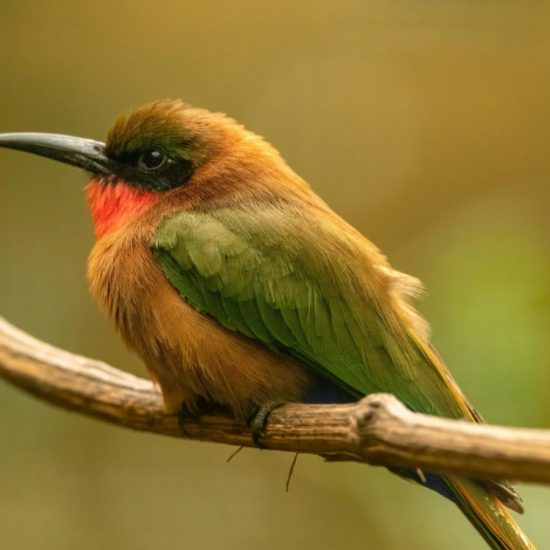
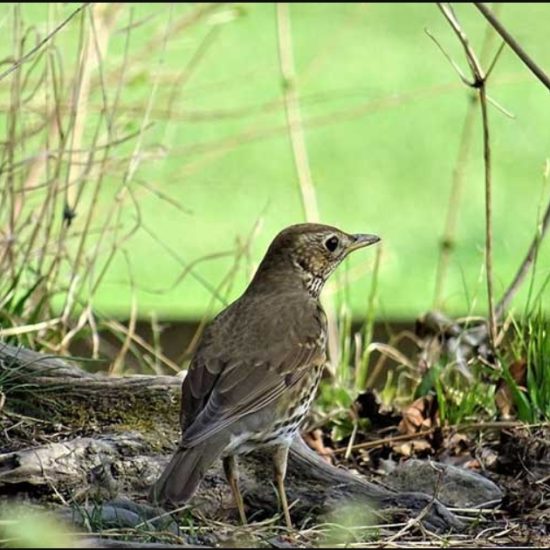
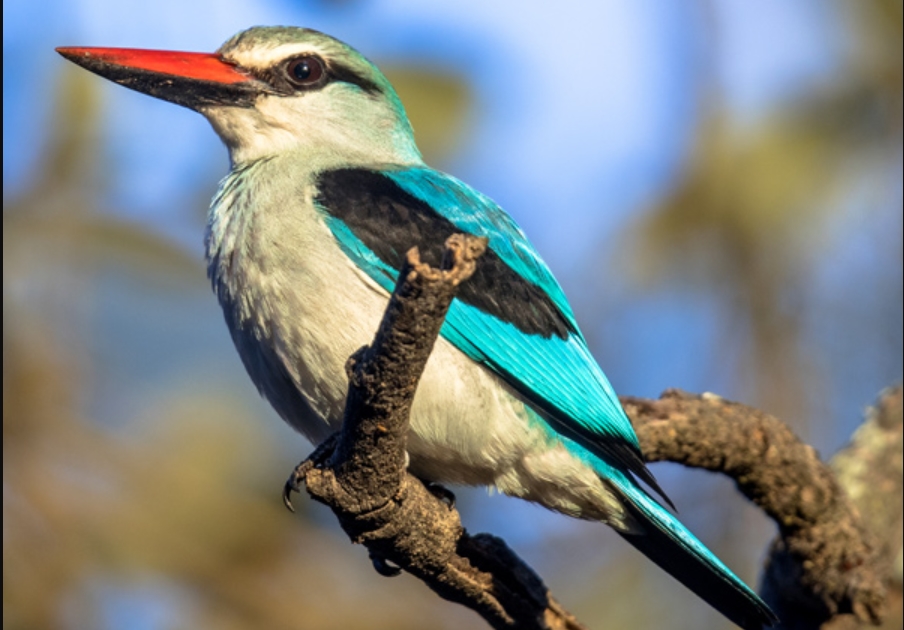
Birding photography in Gishwati- Mukura National Park offers an exciting opportunity for photographers and bird enthusiasts to explore the park’s unique avian life while capturing some of the region’s most beautiful and unique bird species. The park is located in the western part of Rwanda, about 3 hours drive from Kigali, the capital city. It’s known as the best bird watching destination in East Africa due to the presence of unique bird species, some of which are rare to find anywhere else in the world. The park is home to over 230 bird species, including Albertine Rift endemics, forest birds, water birds, migratory birds and the park’s residents, which are rare to find anywhere else.
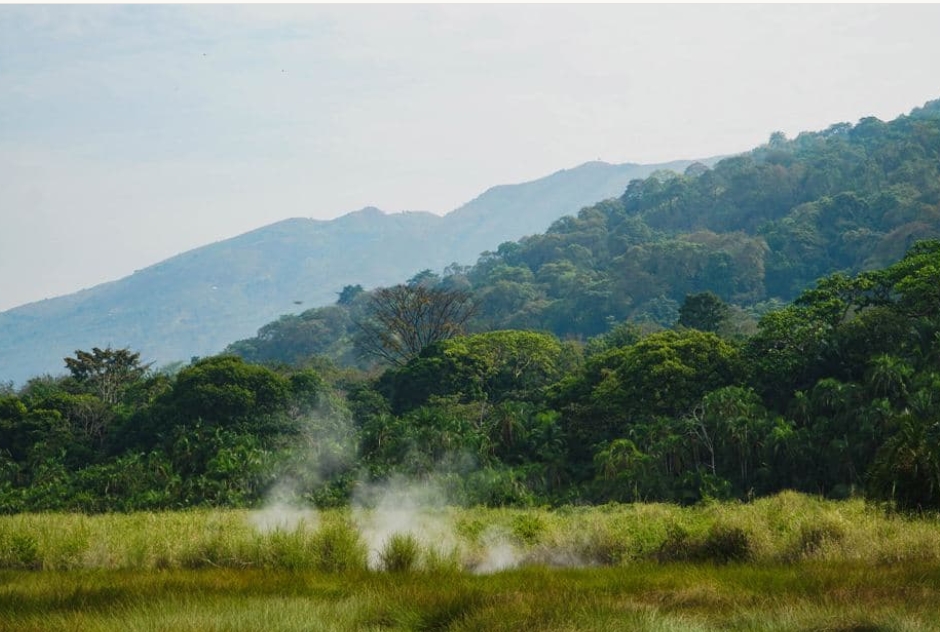
This provides excellent chances of capturing pictures of rare and colourful bird species. The park has a mix of ecosystems such as swamps, tropical forests, grasslands, and montane forests, which provide habitats to various bird species. The dense forest provides excellent opportunities for close-up bird portraits, behavioural photography and habitat shots. Birding photography is more rewarding in the early mornings when bird activity is high, and the soft natural light can produce beautiful photographs.
This is a guided activity led by a knowledgeable park birder who identifies birds by listening to their melodic calls and sounds. For photographers looking for unique bird species and excellent shots, Gishwati- Mukura National Park provides an exceptional birding photography experience in Rwanda.
Birds to encounter on Birding Photography in Gishwati- Mukura National Park.
Rwenzori Turaco, Blue-headed Coucal, Blue Malkoha, Klaas’s Cuckoo, African Emerald Cuckoo, Barred Long-tailed Cuckoo, Black Cuckoo, Red-chested Cuckoo, Rwenzori Nightjar, Square-tailed Nightjar, Little Swift, Red-chested Flufftail, Black Crake, Gray Crowned-Crane, Black-headed Heron, Hadada Ibis, African Harrier-Hawk, Hooded Vulture, Tawny Eagle, African Goshawk, Black Goshawk, Black Kite (Yellow-billed), Mountain Buzzard, Augur Buzzard, Verreaux’s Eagle-Ow, Red-chested Owlet, African Wood-Ow, Speckled Mousebird, Narina Trogon, Bar-tailed Trogon, White-headed Woodhoopoe, Crowned Hornbill, Gray-headed Kingfisher, Cinnamon-chested Bee-eater, Yellow-rumped Tinkerbird, Lesser Honeyguide, Scaly-throated Honeyguide, Elliot’s Woodpecker, Cardinal Woodpecker, Bearded Woodpecker, Olive Woodpecker, Tullberg’s Woodpecker, Eurasian Kestrel, Rwenzori Batis, Chinspot Batis, Northern Puffback, Lüdher’s Bushshrike, Tropical Boubou, Willard’s Sooty Boubou, Albertine Boubou, Many-colored Bushshrike, Doherty’s Bushshrike, Lagden’s Bushshrike, Gray Cuckooshrike, Black Cuckooshrike, Mackinnon’s Shrike, Northern Fiscal, African Golden Oriole, Black-tailed Oriole, Common Bulbul (Dark-capped), White-browed Crombec, Grauer’s Warbler, Red-faced Woodland-Warbler, African Yellow-Warbler, Mountain Yellow-Warbler, African Reed Warbler, Evergreen-Forest Warbler, Cinnamon Bracken-Warbler, Grauer’s Swamp Warbler, Rwenzori Apalis, Green-backed Camaroptera, Black-throated Apalis, Black-faced Apalis, Chestnut-throated Apalis , Banded Prinia, Black-faced Rufous-Warbler, Gray-capped Warbler, Chubb’s Cisticola, African Yellow White-eye, Rwenzori Hill Babbler, Mountain Illadopsis.
What to Pack for Birding Photography Safaris in the Park.
Photographers planning their birding photography safaris in Gishwati- Mukura National Park should pack the necessary items to enable the have unforgettable photography safaris in the park. Travellers should consider packing a camera with a telephoto lens(300mm-600mm) for capturing distant birds, extra batteries, memory cards, binoculars, tripods, a waterproof backpack, and a rain cover to protect their equipment from unexpected rainfall. Don’t forget to carry comfortable waterproof hiking shoes, a rain jacket, insect repellent, sunscreen, a water bottle, a headlamp, lightweight, long-sleeved shirts, energy snacks, a brimmed hat, a birding checklist, and a power bank for charging devices.
Best Time to do Birding Photography in the Park.
Photographers can come for birding photography in Gishwati-Mukura National Park at any time of the year; however, some months are better than others. The park has two seasons: the dry season and the wet season. The wet season is the most preferred period by birders, which is from October to November and March to May. During this season, the park receives enough rainfall, and plants and tree species bear fruit, which provides enough food for birds in the park. It’s during this period that migratory birds come to the park, running away from the harsh weather conditions in Europe and Asia.
Since the park has enough food, birds don’t move deep into the forest in search of food, and this is the breeding season for most birds in the park, which makes spotting them easy, and photographers have great chances of capturing many bird species. Birders should note that during this period, the park is muddy and slippery, making it hard to penetrate. Birding can also be done in the dry season, which runs from June to September and from December to February. During this period, the park receives little to no rainfall; the trails are less muddy and slippery, making it easy to navigate.