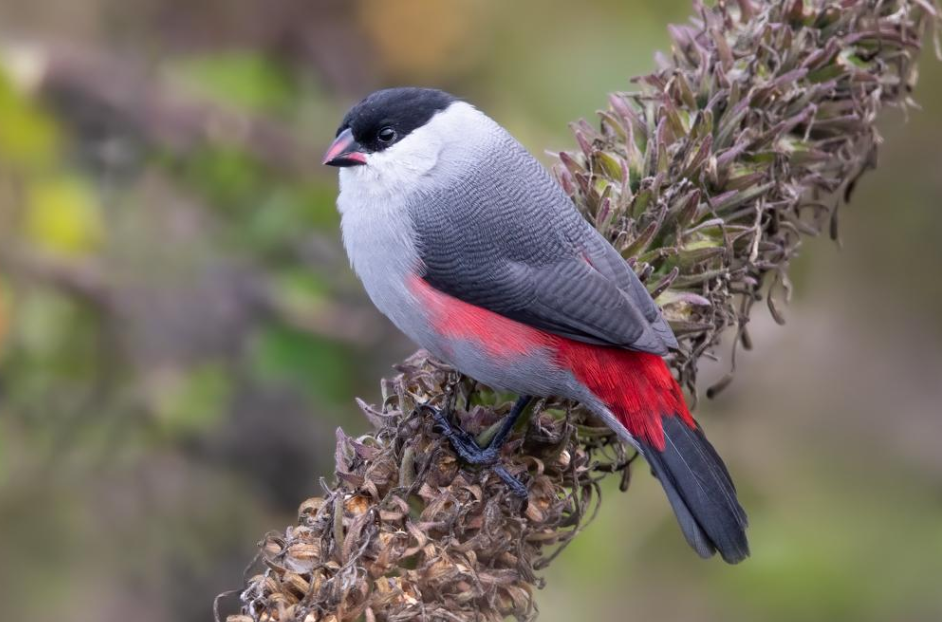
Birding in Volcanoes National Park.
Birding in Volcanoes National Park is one of the most incredible safari activities that bird enthusiasts and ornithologists can enjoy while visiting the park. It is located in the northwestern part of Rwanda along the border with Uganda and the DR Congo. This is one of the oldest national parks in Africa, established in 1925 to protect the animals that existed at that time. This is the smallest national park in Rwanda, covering an area of approximately 160 square kilometres. Volcanoes National Park is known for hosting high altitude bird species which are rarely found anywhere else in the country.
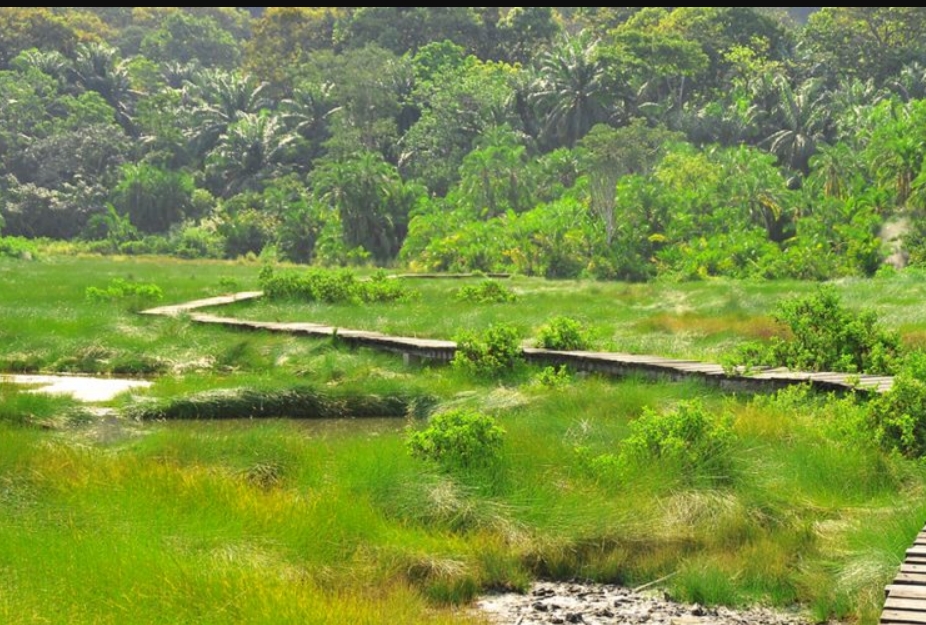
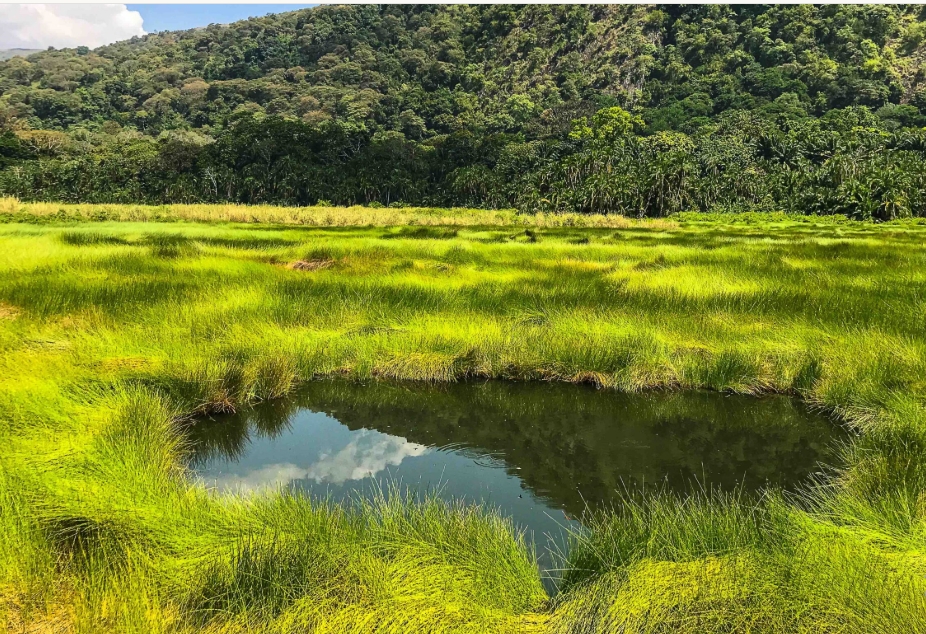
The park hosts up to 237 bird species, including over 19 Albertine Rift endemics, forest birds, the park’s endemic species and migratory birds. It has various ecosystems, such as bamboo zones, grasslands, montane forests, volcanic terrain, Afro-Alpine zones and swamps that provide habitats to various bird species. The park is not only famous for hosting birds, but it is also home to the endangered mountain gorillas and golden monkeys. The park’s unique avian life attracts countless bird enthusiasts to explore the park’s bird species. Birding is a guided activity led by an experienced park birder, who identifies various bird species by their calls and sounds and gives more information about the bird species encountered in the park.
Bird Species to encounter on a birding safari in Volcanoes National Park.
Bird lovers will be delighted by hundreds of bird species that call this awesome park home and birding is best done in the morning hours when birds are most active. Red-eyed Dove, Ring-necked Dove, Laughing Dove, African Green Pigeon, Tambourine Dove, Scarce Swift, African Palm Swift, Alpine Swift, White-rumped Swift, Little Swift, African Swift, Blue-headed Coucal, Archer’s Ground Robin,Red-faced Woodland Warbler, Collared Apalis, Stranger Weaver, Dusky Crimsonwing, Rwenzori Double- collared Sunbird, Hottentot Teal, African Black Duck, Yellow-billed Duck, Handsome Francolin, Little Grebe, Speckled Pigeon, African Olive Pigeon, Dusky Turtle Dove, Mourning Collared Dove, Levaillant’s Cuckoo, Klaas’s Cuckoo, African Emerald Cuckoo, Diederick Cuckoo, Barred Long-tailed Cuckoo, Red-chested Cuckoo, Black Crake, Red-knobbed Coot, Grey Crowned Crane, Ruwenzori Turaco, Black-billed Turaco, Ross’s Turaco, Marabou, Yellow-billed Stork, European White Stork, Pink-backed Pelican, Hamerkop, Cattle Egret, Grey Heron, Black-headed Heron, Goliath Heron, Purple Heron, Little Egret, African Sacred Ibis, Hadada Ibis, Great Cormorant, Hooded Vulture, Crowned Eagle, Martial Eagle, Long-crested Eagle, Tawny Eagle, African Hawk Eagle, Lizard Buzzard, African Marsh Harrier, Lizard Buzzard, Little Sparrowhawk, Ovambo Sparrowhawk, Rufous-breasted Sparrowhawk, Black Sparrowhawk, Black Kite, Augur Buzzard, Eurasian Buzzard, Mountain Buzzard, Common Barn Owl, African Long-eared Owl, Speckled Mousebird, Crowned Hornbill, Cardinal Woodpecker, Olive Woodpecker, Western Green Tinkerbird, Yellow-rumped Tinkerbird, Spot-flanked Barbet, Double-toothed Barbet, European Bee-eater, Cinnamon-chested Bee-eater, Little Bee-eater, African Pygmy Kingfisher, Pied Kingfisher, Common Kestrel, African Hobby, Eurasian Hobby, Peregrine Falcon, Brown-necked Parrot, Ruwenzori Batis, Three-banded Plover, African Snipe, Gray-hooded Gull, White-winged Tern, Black-winged Kite, European Honey Buzzard, African Harrier Hawk, Palm-nut Vulture, Brown Snake Eagle, White-headed Vulture.
Best Time to Visit the Park.
Volcanoes National Park is open throughout the year for birding safaris, allowing visitors to explore its avian treasures at any time. However, based on feedback from previous travelers, the best time for birdwatching in Volcanoes National Park is during the dry season, which is considered peak season. This period runs from June to September and again from December to February. During these months, the forest is dry, making the birding trails less slippery and muddy, which makes them easier to navigate. Additionally, there is little to no rainfall, and the vegetation is less dense, providing clearer views of the various bird species in the park.
On the other hand, the wet season, which spans from March to May and October to November, also offers excellent opportunities for birdwatching in Volcanoes National Park. Though this period is typically referred to as low season due to heavy rainfall and dense vegetation, it can still be rewarding. The birding trails can be muddy and slippery, making access to some spots more challenging. However, this season is favorable for budget travelers, as many bird watching packages come with discounts.