Bird Watching Safaris in Semuliki National Park.
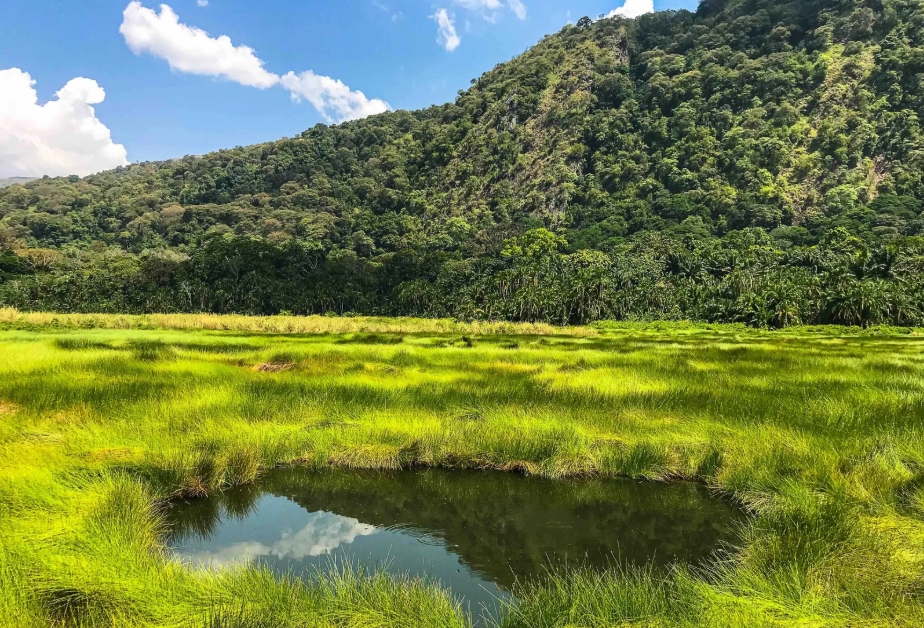
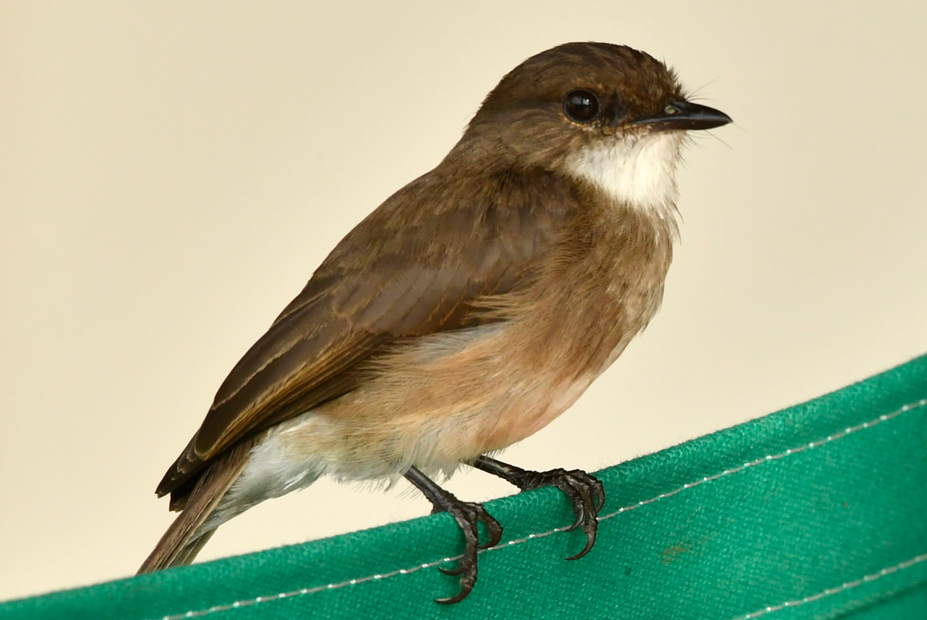
Bird watching safaris in Semuliki National Park offer a unique opportunity to explore the park’s rich avian life and scenic birding landscapes. It is located in the western region of Uganda, and it is one of the most sought-after parks by tourists due to its rich avian life. Semuliki National Park is characterized by a beautiful blend of grasslands, wetlands, tropical forests and riverine forests. This wide variety of ecosystems provides various habitats for unique bird species, making it a top destination for avian enthusiasts. Semuliki National Park has more than 445 bird species, including waterbirds, forest species, migratory birds, Albertine endemics, Guinea-Congo biome birds and the park’s endemic species.
If you are an ornithologist or simply a bird enthusiast looking for the best bird watching spot in Africa, Caracal Explorers provides exceptional bird watching safaris in Semuliki National Park. These safaris are guided by experienced park birders who offer insightful information about the bird species you might encounter and assist birders by identifying the melodic sounds and songs of various bird species, enhancing your overall experience in the park. Bird enthusiasts planning their safari in the park are encouraged to prepare a bird watching checklist, which helps them to look for specific birds they are interested in seeing, and it creates an unforgettable birding experience as they tick off birds on their list.
Birds to encounter on Bird Watching Safaris in Semuliki National Park.
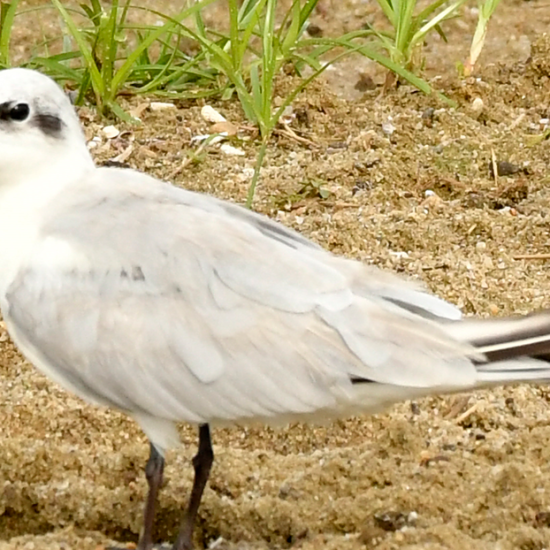
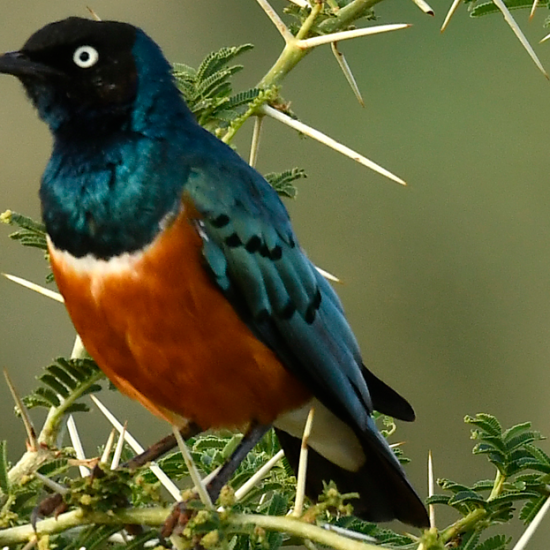
Bird travellers planning their birding safaris will find the park a haven for bird watching with hundreds of bird species that they will encounter on their birding safaris. Some of these bird species include Blue-breasted Kingfisher, Pied Kingfisher, Chocolate-backed Kingfisher, Blue-throated Roller, Red-faced Barbet, Cinnamon-chested Bee-eater, Olive Bee-eater, European Bee-eater, African Pygmy Kingfisher, Malachite Kingfisher, Northern Red-fronted Tinkerbird, Double-toothed Barbet, Hairy-breasted Barbet, Spotted Honeyguide, Greater Honeyguide, Brown-backed Honeybird, Elliot’s Woodpecker, Nubian Woodpecker, Red-throated Wryneck, African Piculet, Speckle-breasted Woodpecker, Eurasian Hobby, Tropical Boubou, Dusky Long-tailed Cuckoo, African Cuckoo, Common Cuckoo, Pennant-winged Nightjar, Standard-winged Nightjar, Fiery-necked Nightjar, Plain Nightjar, Freckled Nightjar, Bates’s Nightjar, Gray Kestrel, Lanner Falcon, Peregrine Falcon, Red-headed Lovebird, Gray Parrot, Meyer’s Parrot, Rufous-sided Broadbill, African Pitta, Green-breasted Pitta, Petit’s Cuckooshrike, African Black-headed Oriole, Western Black-headed Oriole, Eurasian Golden Oriole, Rwenzori Batis, Jameson’s Wattle-eye, Chestnut Wattle-eye, Ituri Batis, Black-crowned Tchagra, Long-tailed Nightjar, Square-tailed Nightjar, Mottled Spinetail, Sabine’s Spinetail, Common Swift, Alpine Swift, Scarce Swift, White-rumped Swift, African Palm Swift, Horus Swift, White-spotted Flufftail, Buff-spotted Flufftail, Red- Chested Flufftail, Gray-throated Rail, African Crake, Eurasian Moorhen, African Swamphen, Nkulengu Rail, Black Crake, Nkulengu Rail, African Finfoot, Gray Crowned-Crane, Black-winged Stilt, Common Ringed Plover, Three-banded Plover, Little Ringed Plover, Marsh Sandpiper, Wood Sandpiper, Common Redshank, Curlew Sandpiper, Sanderling, African Sacred Ibis, Glossy Ibis, African Spoonbill, Spot-breasted Ibis, Hadada Ibis, African Spoonbill, Black-crowned Night Heron, Lesser Black-backed Gull, Whiskered Tern, White-winged Tern, Little Grebe, African Openbill, Abdim’s Stork, Long-toed Lapwing, Spur-winged Lapwing, Black-headed Lapwing, Senegal Lapwing, Wattled Lapwing, Greater Painted-Snipe, African Jacana, Common Sandpiper, Green Sandpiper African Woolly-necked Stork, Saddle-billed Stork, Marabou Stork, Yellow-billed Stork, African Darter, Great Cormorant, Reed Cormorant.
What is the best time to do Bird Watching Safaris.
Bird Watching Safaris in Semuliki National Park can be done at any time of the year, and the best time differs from an individual’s travel plans. However, based on feedback from previous travelers, the best time for birdwatching in Semuliki National Park is during the dry season, which is considered the peak season. This period runs from June to September and again from December to February. During these months, the forest is dry, making the birding trails less slippery and muddy, which makes them easier to navigate. Additionally, there is little to no rainfall, and the vegetation is less dense, providing clearer views of the various bird species in the park.
On the other hand, the wet season, which spans from March to May and October to November, also offers excellent opportunities for birdwatching in Semuliki National Park. Though this period is typically referred to as low season due to heavy rainfall and dense vegetation, it can still be rewarding as it’s when migratory birds travel from Europe and Asia to the park in search of food and good weather conditions. The birding trails can be muddy and slippery, making access to some spots more challenging.