Bird Watching in Volcanoes National Park.
Bird watching in Volcanoes National Park is an incredible safari activity that allows bird enthusiasts and ornithologists to explore the park’s rich avian life. Volcanoes National Park is found in the northwestern part of Rwanda, bordering Mgahinga National Park and Virunga National Park. It’s the smallest park in the country, covering an area of about 160 square kilometres. It comprises five of the eight Virunga mountain volcanoes: Gahinga, Muhabura, Karisimbi, Bisoke, and Sabyinyo. Volcanoes is a premier high altitude birding destination in East Africa, which attracts countless birders to come and see these unique bird species.
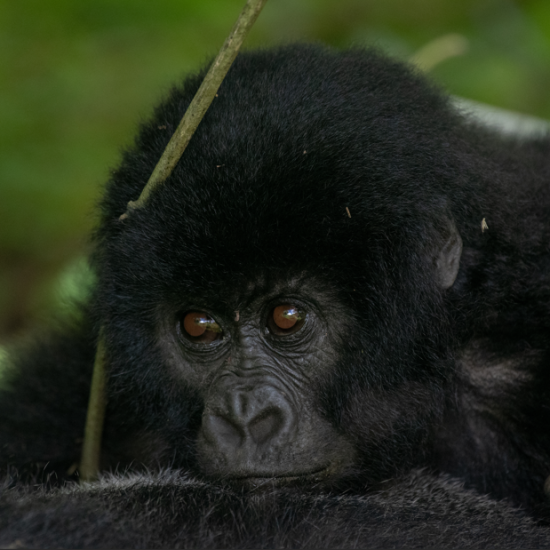
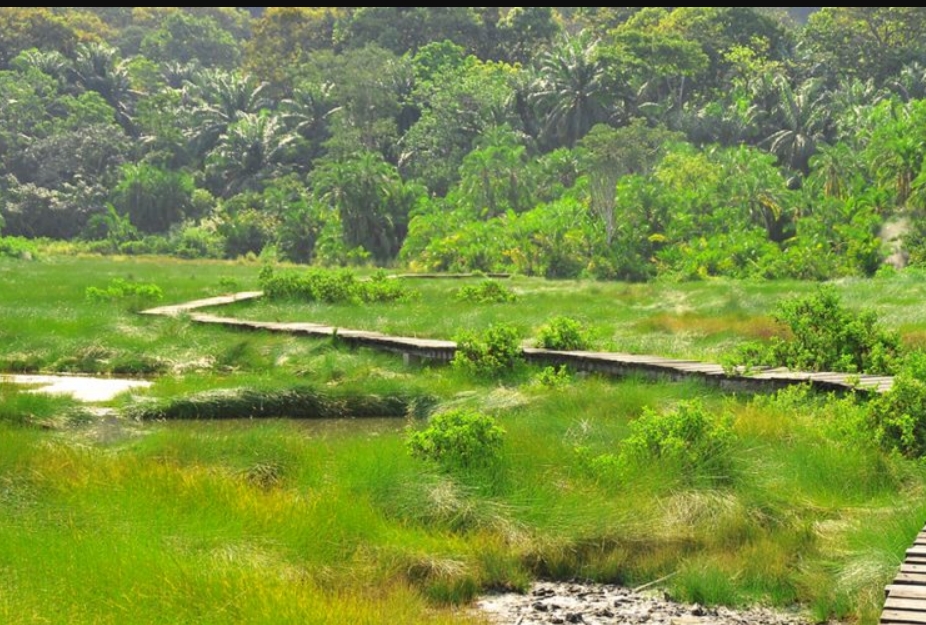
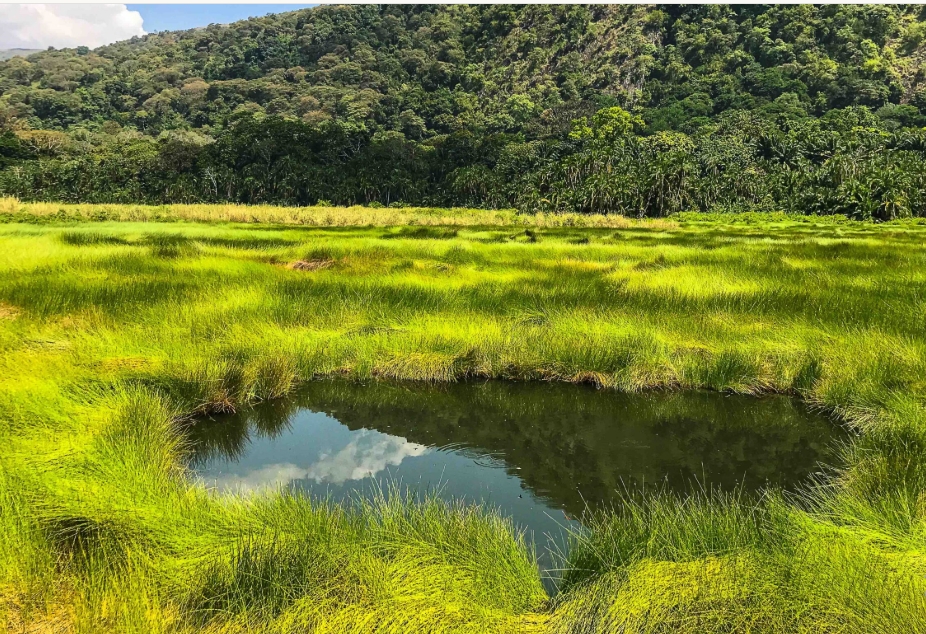
It is home to over 237 bird species, including forest birds, 17 Albertine endemic species, migratory birds, the park’s endemic bird species and water birds. The park’s rich avian life is supported by its unique natural systems that provide habitats to various bird species, like montane forests, bamboo zone, wetlands, and grasslands. The park is also famous for hosting the endangered mountain gorillas, golden monkeys and other animals. Birders can combine bird watching with golden monkey tracking, nature walks and gorilla tracking. Bird watching is best done in the morning or late afternoon hours when birds are most active. If you are a bird lover, planning your birding safari in Rwanda, Volcanoes National Park should be on your bucket list, as the park promises unique experiences.
Bird Watching Experience in Volcanoes National Park.
Bird watching is a guided activity led by an experienced park birder who assists birders by identifying birds by their sounds and melodic songs. Birding starts with a briefing at the park’s headquarters about the rules and regulations of the park. It is best enjoyed in the morning or later afternoon hours when birds are starting their day or ending their daily routines in their natural habitats. After a briefing, participants will meet their assigned park birder, who will lead them into the forest to search for birds using specific birding trails. Birders are encouraged to prepare a bird watching checklist while visiting the park, which will guide them on the birds to search for and also tick off the bird species that they might encounter on their safari. The duration for birding depends on the visitor’s level of fitness and interests. Visitors will have a chance to encounter various bird species, learn more about their behaviours and of course take as many pictures as possible. While in the park, you might encounter various animals like vervet monkeys, blue monkeys, bushbucks, buffaloes and more.
Bird Species to See in the Park.
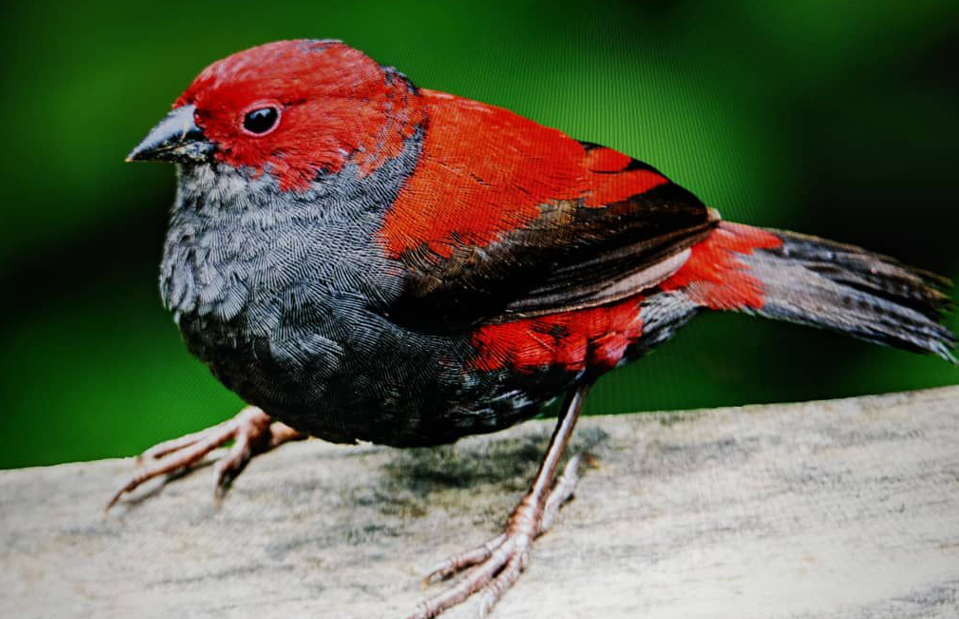
Bird enthusiasts will have a chance to encounter various bird species on their bird watching safaris in Volcanoes National Park. Some of the birds to encounter include Handsome Francolin, Little Grebe, Speckled Pigeon, African Olive Pigeon, Dusky Turtle Dove, Mourning Collared Dove, Red-eyed Dove, Ring-necked Dove, Laughing Dove, African Green Pigeon, Tambourine Dove, Scarce Swift, African Palm Swift, Alpine Swift, White-rumped Swift, Little Swift, African Swift, Blue-headed Coucal, Levaillant’s Cuckoo, Klaas’s Cuckoo, African Emerald Cuckoo, Diederick Cuckoo, Barred Long-tailed Cuckoo, Red-chested Cuckoo, Black Crake, Red-knobbed Coot, Grey Crowned Crane, Ruwenzori Turaco, Black-billed Turaco, Ross’s Turaco, Marabou, Yellow-billed Stork, European White Stork, Pink-backed Pelican, Hamerkop, Cattle Egret, Grey Heron, Black-headed Heron, Goliath Heron, Purple Heron, Little Egret, African Sacred Ibis, Hadada Ibis, Great Cormorant, Three-banded Plover, African Snipe, Gray-hooded Gull, White-winged Tern, Black-winged Kite, European Honey Buzzard, African Harrier Hawk, Palm-nut Vulture, Brown Snake Eagle, White-headed Vulture, Hooded Vulture, Crowned Eagle, Martial Eagle, Long-crested Eagle, Tawny Eagle, African Hawk Eagle, Lizard Buzzard, African Marsh Harrier, Lizard Buzzard, Little Sparrowhawk, Ovambo Sparrowhawk, Rufous-breasted Sparrowhawk, Black Sparrowhawk, Black Kite, Augur Buzzard, Eurasian Buzzard, Mountain Buzzard, Common Barn Owl, African Long-eared Owl, Speckled Mousebird, Crowned Hornbill, Cardinal Woodpecker, Olive Woodpecker, Western Green Tinkerbird, Yellow-rumped Tinkerbird, Spot-flanked Barbet, Double-toothed Barbet, European Bee-eater, Cinnamon-chested Bee-eater and more.
Best Time to do Bird Watching in Volcanoes National Park.
Bird watching in Volcanoes National Park can be done throughout the year; the park receives two seasons: the dry season and the wet season. According to reviews from past travellers, the wet season, which runs from October to November and March to May, is the best period to do birding in the park. During this season, the park receives enough rainfall, plants and tree species bear fruits which provide enough food to birds in the park. It’s this period when migratory birds come to the park, running away from the harsh weather conditions in Europe and Asia. Since the park has enough food, birds don’t move deep in the forest in search of food, and this is a breeding season for most birds in the park, which makes spotting them easy. Birders should note that during this period, the park is muddy and slippery, making it hard to penetrate. Birding can also be done in the dry season, which runs from June to September and December to February. During this period, the park receives little to no rainfall, the trails are less muddy and slippery making it easy to penetrate.